




Decorative Book Collection
A decorative book collection brings substance and texture to a room, offering uniform bindings and readable history across periods.
Decorative Book Collection
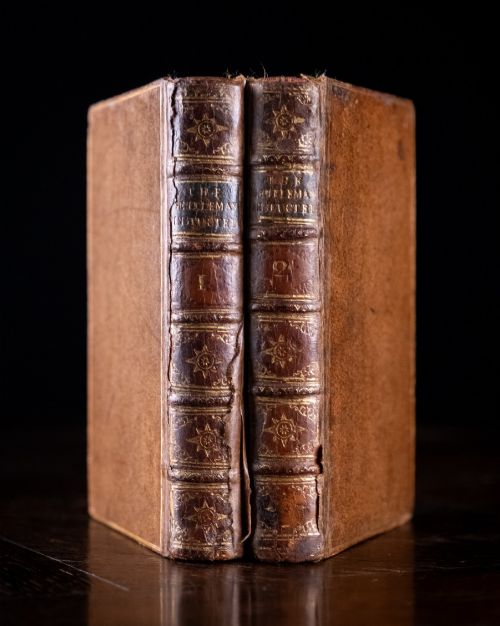
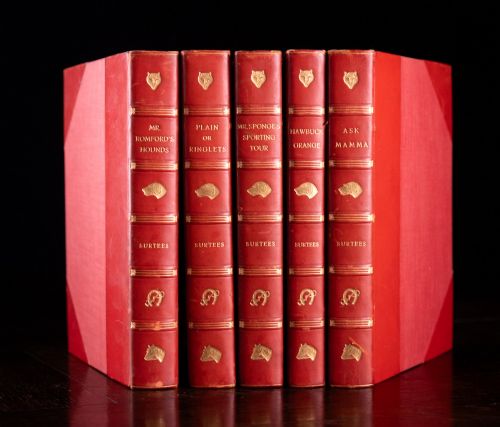
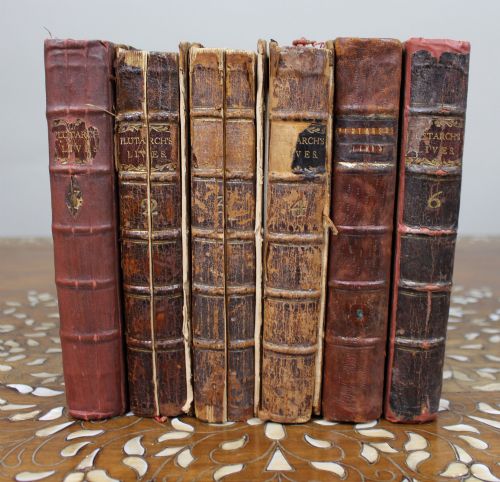
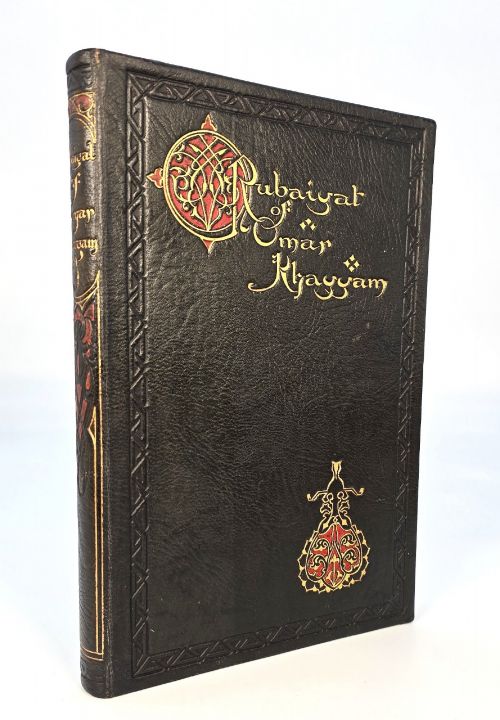
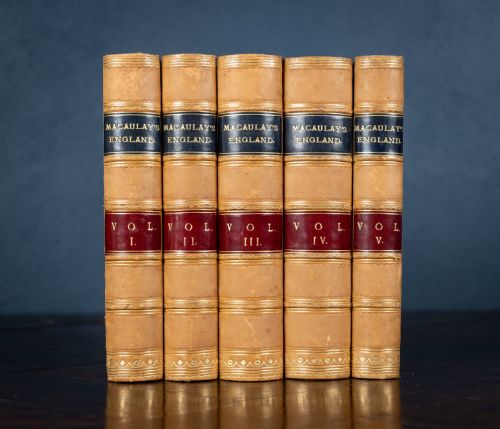
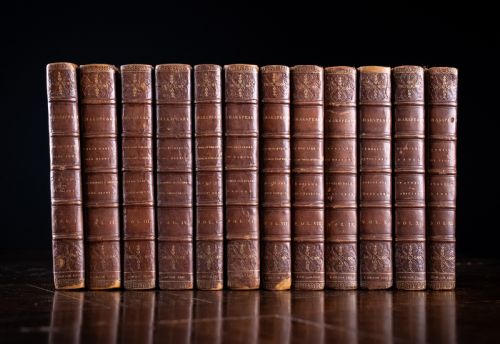
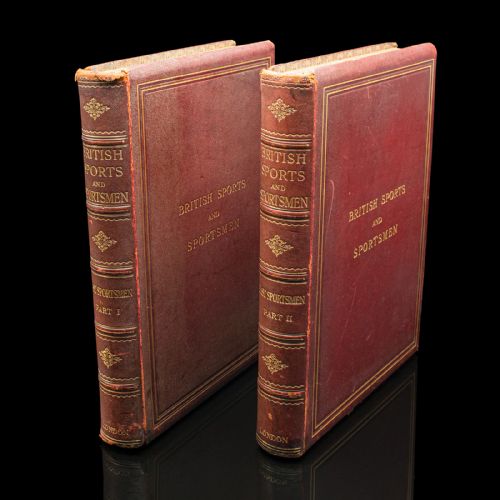
A decorative book collection comprises grouped volumes selected for visual uniformity, shelf presence and binding quality rather than solitary reading interest. The pieces on this page span the eighteenth, nineteenth and early twentieth centuries, encompassing Georgian, Victorian and Edwardian periods as well as French classical styles. Buyers encounter everything from single sets of Shakespeare plays and historical memoirs to extensive runs of Waverley novels and sporting magazines.
Most selections take the form of multi-volume sets, such as six-volume works of Alfred Tennyson or extensive furnishing libraries running to forty-five volumes. Object types include antiquarian books, antique books and dedicated decorative sets originating from English and French presses. These groups serve primarily to anchor interior spaces with tactile materials and aged paper spines.
Materials and construction
Binders constructed these volumes using durable organic materials, predominantly leather, calfskin, calf leather, vellum and cloth over sturdy boards. Text blocks consist of high-quality paper designed to endure centuries of turning.
Visual finish relied heavily on applied gold leaf, tooling and gilt detailing to catch the light along the spine. Binders often worked in uniform lots to ensure matching sets, incorporating fine textiles and heavy papers tailored for durability.
Listings feature paper, leather, vellum and cloth materials applied across nineteenth and eighteenth-century books.
Assessing quality
Quality rests on the consistency of the uniform binding across an entire run, where matching tooling and uniform spine heights separate cohesive sets from assembled groupings. The depth of the gold leaf application and the suppleness of the original calfskin or vellum dictate the tactile and visual grade of the volumes.
The integrity of the paper text block and the prestige of the publishing house or binder, such as dedicated London firms, elevate specific sets. Complete multi-volume completeness and period-correct materials preserve the historical integrity that collectors value.
J. & R. Tonson·J. Wheble·Henry Young & Son
The Decorative Book Collection Glossary
- Vellum
- A fine parchment prepared from the skin of a calf or other animal, used historically for durable book bindings. It provides a smooth, pale surface that ages with a distinct creamy patina.
- Calfskin
- A soft, supple leather made from the hide of a young bovine, frequently utilised for fine nineteenth-century bindings. It takes tooling and gilt lettering exceptionally well.
- Gilt
- Gold leaf or gold paint applied to the edges of the paper or stamped onto the leather bindings. This technique prevents dust penetration and adds a reflective sheen to the shelf.
- Uniformly bound
- A set of books rebound or published together in matching materials and styles to present a harmonious appearance on a shelf. This ensures visual continuity across multi-volume sets.
- Antiquarian
- Pertaining to books of considerable age, typically dating from before the nineteenth century, valued for their historical context and printing provenance.
Decorative Book Collection: Frequently Asked Questions
How do I style a decorative book collection?
Arrange sets vertically in bookcases or stack them horizontally on side tables to vary visual heights within a room. Grouping by binding material, such as calfskin or vellum, creates a cohesive focal point.
Ensure books are kept away from direct sunlight and excessive humidity to protect the delicate leather and gold leaf tooling from fading.
Are these antique books still readable?
Many volumes contain complete historical texts, poetry, plays and novels from authors like Shakespeare and Sir Walter Scott. The internal pages remain intact for careful reading despite their age.
Handling requires gentle support of the spine to preserve the original nineteenth or eighteenth-century bindings during use.
What is the difference between calfskin and cloth bindings?
Calfskin offers a smooth, organic leather texture that develops a rich patina over decades of handling. Cloth bindings appeared more frequently in later nineteenth and twentieth-century publishing for durability and mass production.
Both materials serve distinct aesthetic roles depending on whether a formal library or a lighter interior look is desired.
Why buy multi-volume sets instead of single books?
Multi-volume sets provide uninterrupted visual rhythm across a shelf through matching heights, identical spine lettering and uniform decorative motifs. They represent complete literary works or historical runs as originally conceived by the publisher.
This uniformity delivers a balanced, deliberate design scheme that single mixed volumes cannot achieve.