



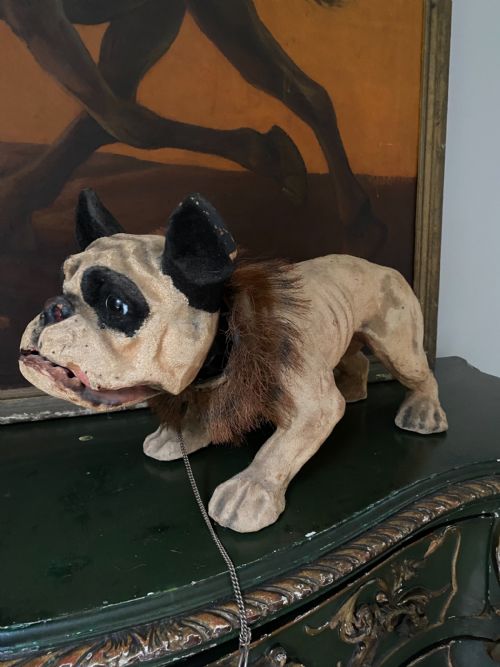
Decorative Animal Ornament
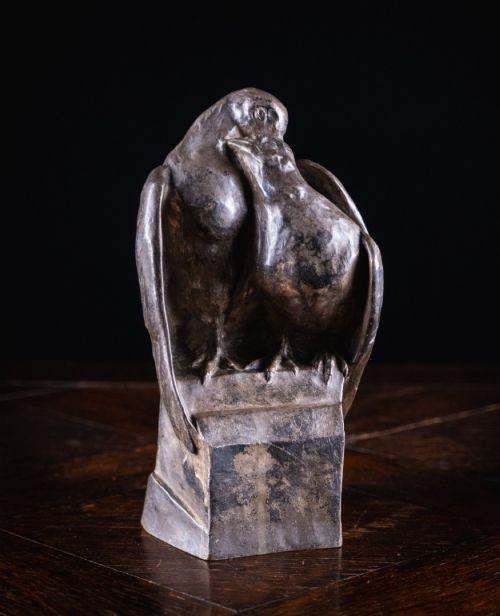
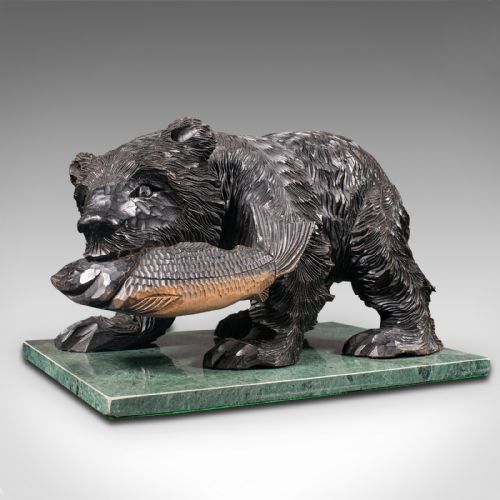
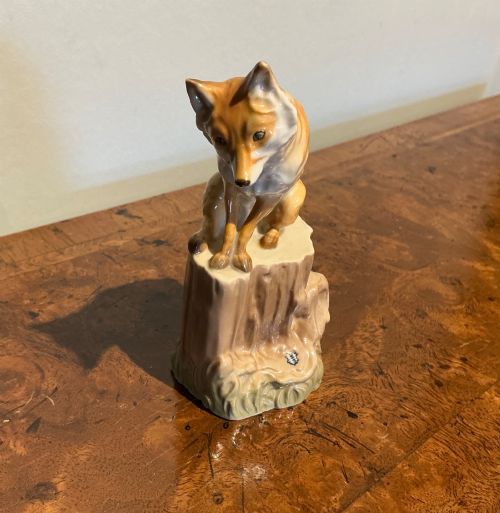
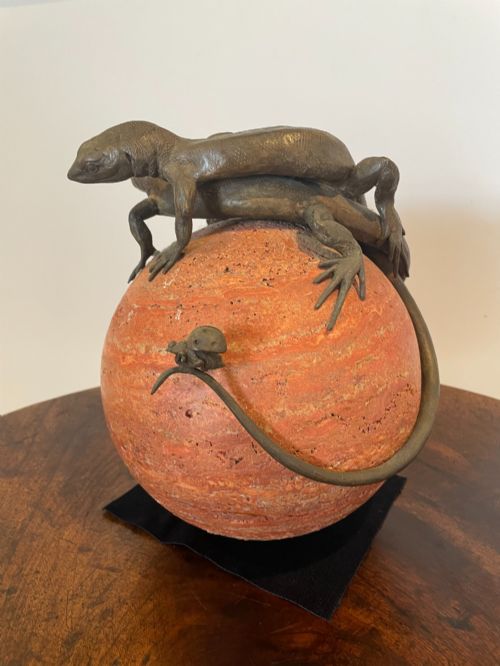
These decorative animal ornament pieces span centuries of foundry work and carving, bringing character and texture to any interior.
Decorative Animal Ornament
A decorative animal ornament brings sculptural form into a room, taking shape as everything from domestic dogs to wild predators. When searching this phrase, a buyer encounters figures cast in metal, carved from timber or moulded in porcelain.
The selection here draws together nineteenth century foundry casts, folk art carvings and Continental porcelain studies. These objects served as desk accessories, mantel ornaments and cabinet figures in period interiors.
How they were made
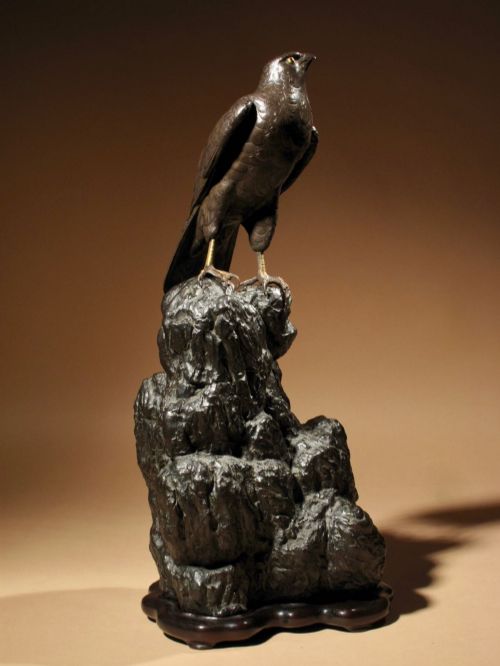
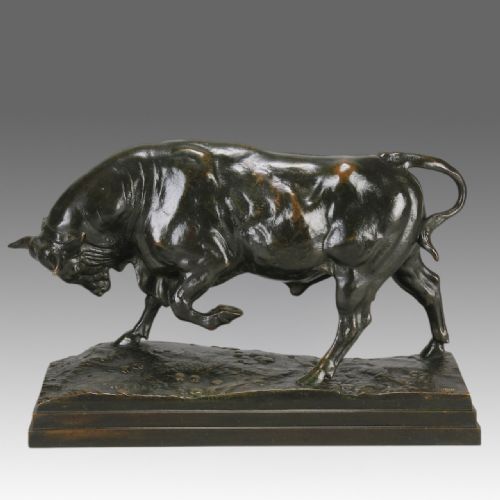
Metal pieces rely on bronze casting, often utilising patinated or silvered finishes to accentuate musculature and texture. Foundries employed skilled chiselling after casting to sharpen details on subjects ranging from hares to hawks.
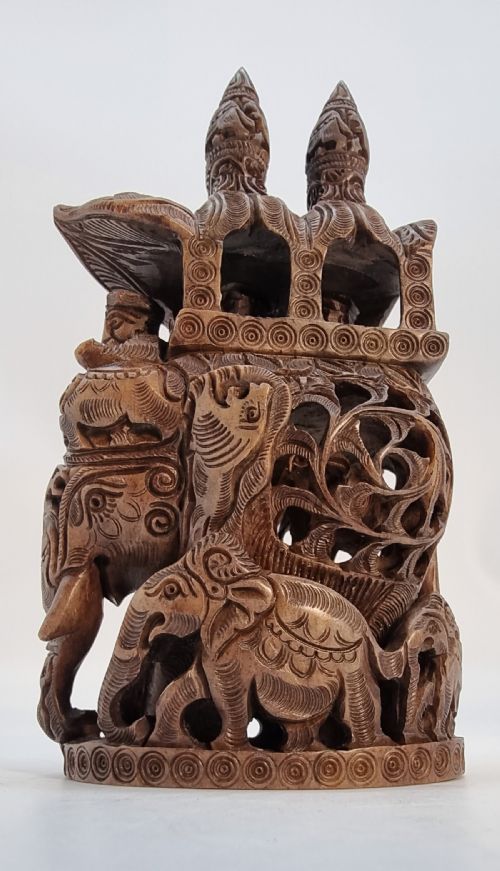
Carved works utilise hardwoods, cedar, soapstone and ebony, shaped with hand gouges and knives to capture naturalistic postures. Porcelain and ceramic examples involve high-temperature firing, sometimes finished with sancai or traditional glazes.
Decorative Animal Ornament Retail Price Guide 2026
Typical asking prices for decorative animal ornament among the pieces listed under this phrase on Sellingantiques today, from the lower quarter to the upper quarter. They describe what is for sale here now, not the wider market.
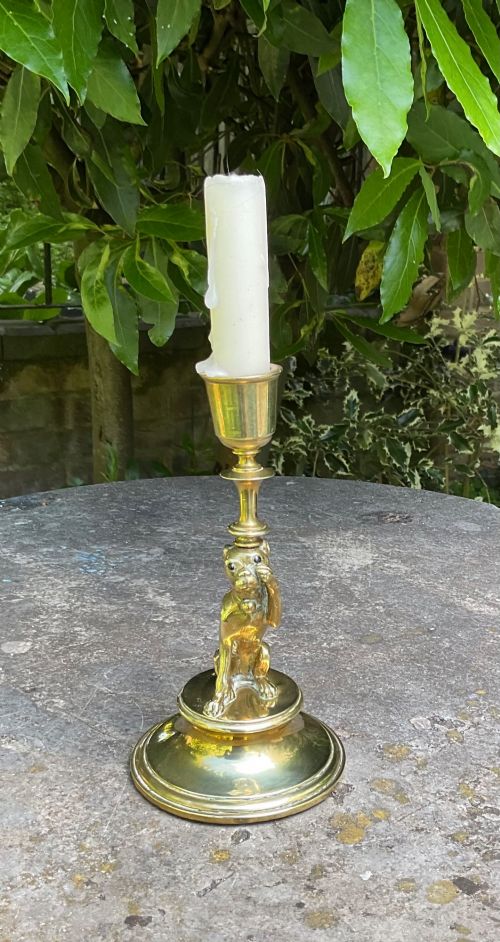
A stoic pug dog holds the room's attention as a brass-mounted candlestick, keeping watch since eighteen eighty.
What varies in quality
Quality rests upon the fidelity of the anatomy and the crispness of the finishing work. A superior cast or carving captures the tension in a muscle or the alert turn of a head with anatomical conviction.
The sophistication of the surface treatment separates standard production from finer studio work. Patination, hand-painting on porcelain and the depth of the chisel marks define the visual presence of the piece.
Antoine Louis Barye·Edith Parsons·P J Mene·Barbedienne·Meissen·Carl Thieme Dresden
The Decorative Animal Ornament Glossary
- Animalier
- A nineteenth century artistic movement focused on the realistic depiction of animals, particularly predators and horses in motion. Sculptors in this tradition worked primarily in bronze.
- Patinated Bronze
- Metal sculpture treated with chemicals to produce a stable surface colour ranging from warm brown to deep green. This coating protects the alloy while enhancing visual depth.
- Sancai Glaze
- A three-colour ceramic glaze technique traditionally associated with Chinese pottery, producing amber, green and cream tones. It pools naturally across moulded details.
- Folk Art
- Objects created by self-taught or traditional artisans outside academic traditions, often using local timbers. These pieces prioritise direct expression over formal naturalism.
- Cloisonné
- A metalwork technique where thin wire partitions are soldered to a base and filled with enamel paste before firing. It creates distinct cells of coloured glass across the form.
Decorative Animal Ornament: Frequently Asked Questions
What materials are common in these ornaments?
The selection includes cast bronze, carved hardwoods like ebony and cedar, and glazed porcelain. Each material brings a distinct weight and surface quality to the sculpture.
Metal pieces often feature patinated or silvered finishes, while stone and marble provide heavy, polished bases for mounted figures.
How do I identify nineteenth century pieces?
Nineteenth century examples frequently display foundry marks, patination depth, and hand-tooled chiselling consistent with period production methods. Material choice, such as unrefined hardwoods and heavy bronze casts, aids dating.
Stylistic movements like Animalier or Victorian craftsmanship also offer clear indicators of the era of manufacture.
Where should I place these in a room?
Smaller figures suit bookshelves, side tables and mantelpieces where their detailing can be appreciated up close. Larger bronze sculptures and pairs of figures work well as focal points on pedestals or entrance consoles.
Ensure stable placement, particularly with heavy marble bases or delicate porcelain limbs.
Are these ornaments purely decorative?
Many function as standalone sculptures, but several double as functional objects such as candlesticks, trinket boxes or desk seals. These dual-purpose pieces combined utility with aesthetic display in period homes.
Even purely sculptural items were intended to reflect the owner's taste in natural history and art.