

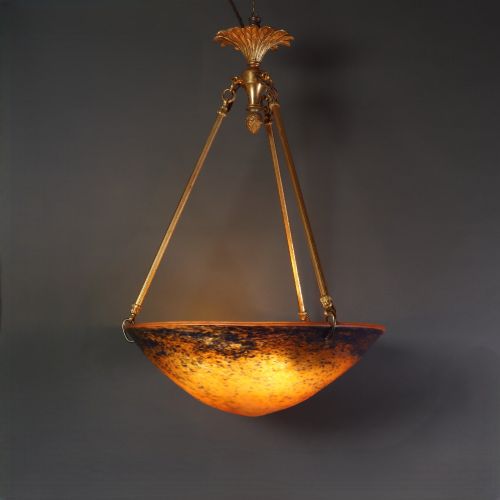


Deco Metal Bowl
These deco metal bowls bring distinct geometric lines and gleaming surfaces into a room, offering both functional service and striking modernist ornament.
Deco Metal Bowl
A deco metal bowl represents the clean, streamlined aesthetic of the interwar years, focusing on utilitarian elegance and bold geometric forms. When searching for a deco metal bowl, buyers encounter pieces fashioned in silver plate, chrome, pewter, and gilt metal.
The versions most commonly met span the 1920 and 1930 decades, originating from British and French makers who embraced the modernist shift. These vessels take the form of fruit baskets, serving dishes, comports, and footed fruit bowls designed for contemporary tables.
Makers utilised contrasting materials alongside metal, frequently incorporating ebonised wood or glass inserts to heighten the visual impact. Such pieces bridge the gap between practical tableware and sculptural ornament.
Materials and construction
Artisans constructed these vessels using durable base metals like pewter and copper which were then finished with a heavy coat of silver plate or polished chrome. Hammered textures appear on pewter surfaces, showing the direct hand of the metalworker before polishing.
French and British workshops combined metalwork with moulded glass components or ebonised wooden handles to create contrast. Plating techniques provided a high-lustre finish designed to catch the ambient light of a modern interior.
Deco Metal Bowl Retail Price Guide 2026
Typical asking prices for deco metal bowl among the pieces listed under this phrase on Sellingantiques today, from the lower quarter to the upper quarter. They describe what is for sale here now, not the wider market.
Listings feature items spanning three decades, from 1910 through the height of the Art Deco period in 1930.
Quality and execution
The distinction between standard commercial output and superior quality lies in the crispness of the geometric stamping and the weight of the metal body. Finer examples maintain an even thickness across the rim and foot, with plating that remains deep and uniform.
Design sophistication also separates the range, where pieces attributed to known French or British firms exhibit more harmonious proportions and integrated handles. The quality of secondary materials, such as the clarity of associated glass liners or the finish of ebonised wooden details, elevates the piece.
Armada Pewter·Brille Paris·Christofle Gallia·W M F
The Deco Metal Bowl Glossary
- Art Deco
- A style spanning the 1920s and 1930s characterised by streamlined shapes, geometric ornamentation, and modern industrial materials. It replaced the flowing plant motifs of the preceding art nouveau period.
- Comport
- A raised serving dish on a pedestal or foot, used for fruit or sweetmeats during formal dining. These elevated vessels bring height and architectural structure to a table setting.
- Silver Plate
- A base metal, such as copper or nickel brass, coated with a thin layer of pure silver through electroplating. This process offered the appearance of solid silver at a more accessible cost.
- Chrome
- Chromium plating applied to a metal base to provide a hard, corrosion-resistant, and highly reflective surface. It became a defining finish of modernist design.
- Pewter
- A malleable metal alloy consisting primarily of tin, often combined with copper and antimony. It was frequently hammered or cast into decorative vessels during the interwar period.
Deco Metal Bowl: Frequently Asked Questions
What is a deco metal bowl used for?
These vessels were originally designed for serving fruit, bread, or desserts during formal meals in the interwar period. Today, they function equally well as decorative centrepieces or standalone sculptural objects on a sideboard.
Their reflective surfaces and geometric forms make them ideal focal points in modern or traditional interior schemes.
How do I clean a silver plated bowl?
Silver plate requires gentle care using a specialised non-abrasive polish to preserve the thin metallic layer over the base metal. Avoid harsh scrubbing brushes or abrasive scouring pads that can strip the plating entirely.
For chrome or pewter pieces, warm soapy water and a soft cloth are sufficient to maintain the surface sheen without scratching the finish.
How can I tell a 1920 piece from a 1930 piece?
Pieces from the 1920s often show transitional styling that retains hints of earlier decorative arts alongside emerging modernist geometry. By 1930, designs embraced full industrial streamlining with cleaner lines, smooth chrome finishes, and functional minimalism.
Maker marks and registration numbers stamped on the base can also help narrow down the production decade.
Are these bowls suitable for daily use?
While robustly constructed from pewter, chrome, or silver plate, these vintage vessels benefit from careful handling to preserve their original finishes. Acidic foods should not be left on silver-plated or pewter surfaces for extended periods to prevent tarnishing or pitting.
Using them for dry displays or occasional serving ensures they remain in sound condition for years to come.