
Dark Wood Standing Lamp
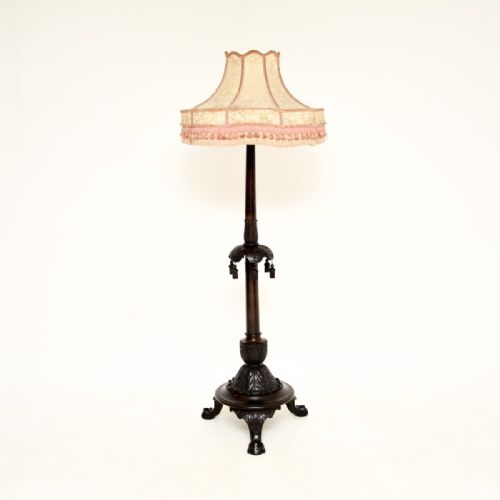
A dark wood standing lamp brings warm light and presence to a room, drawing on decades of period craftsmanship.
Dark Wood Standing Lamp
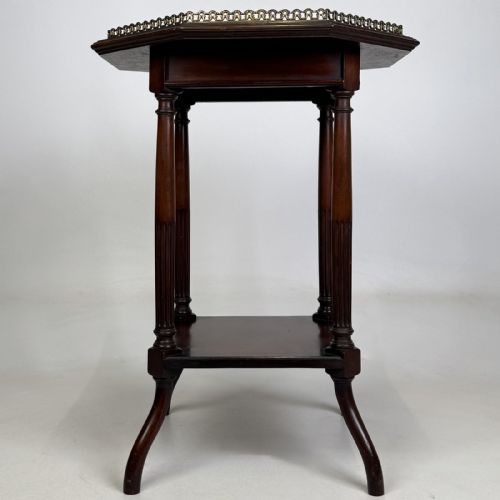
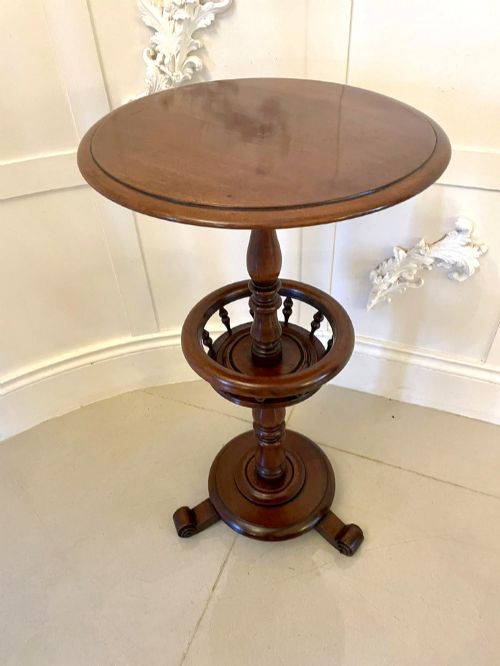
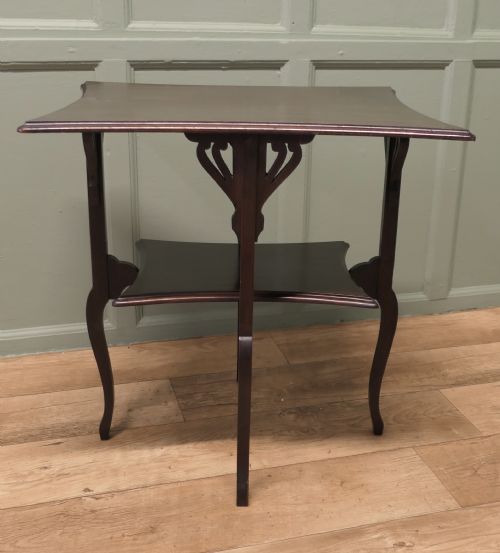
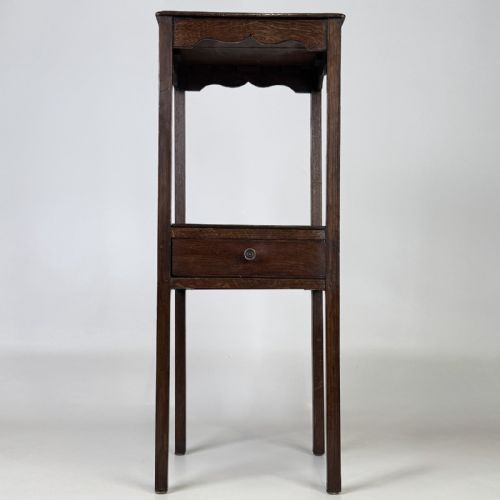
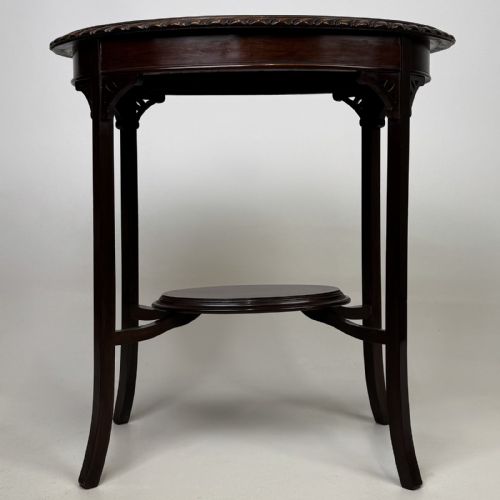
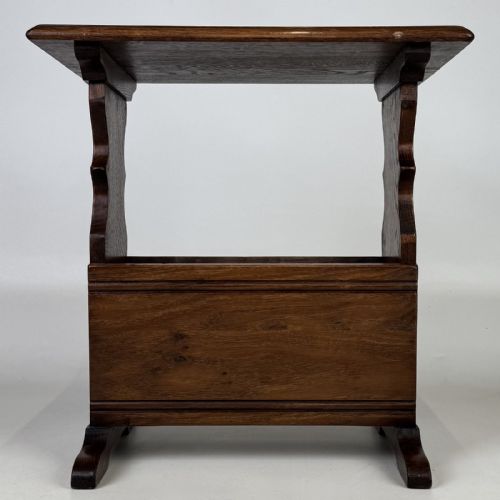
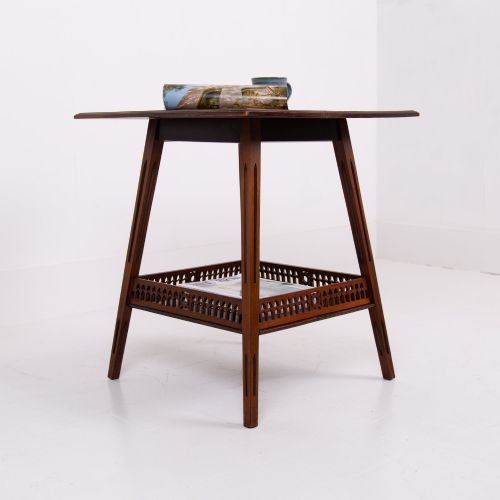
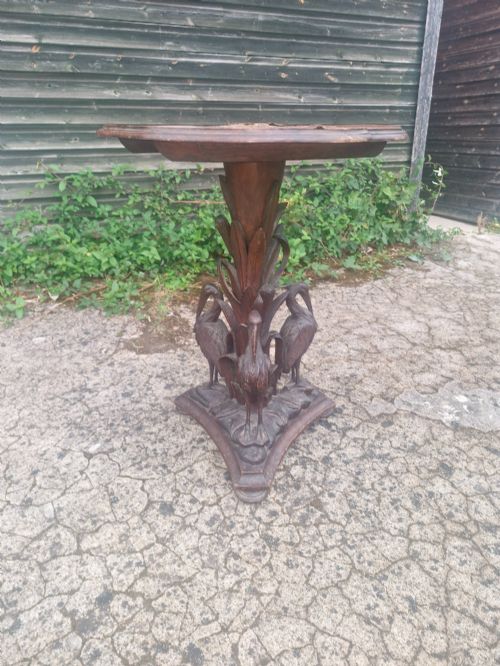
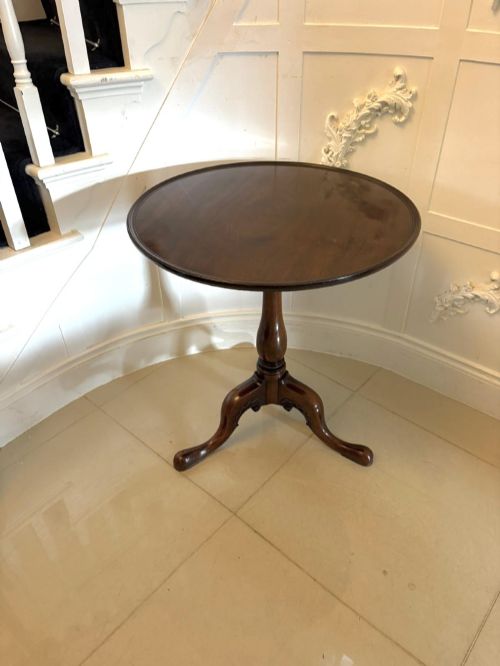
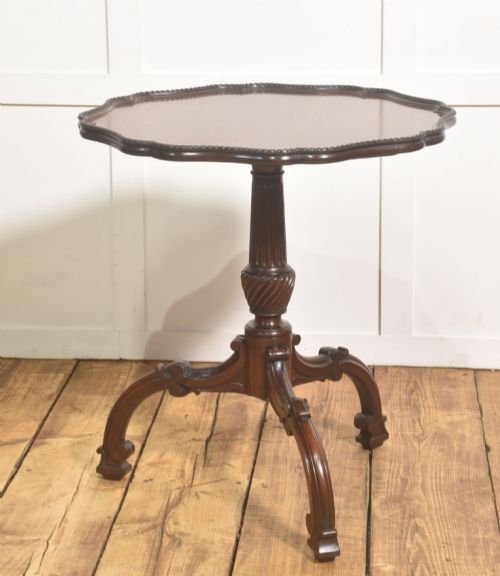
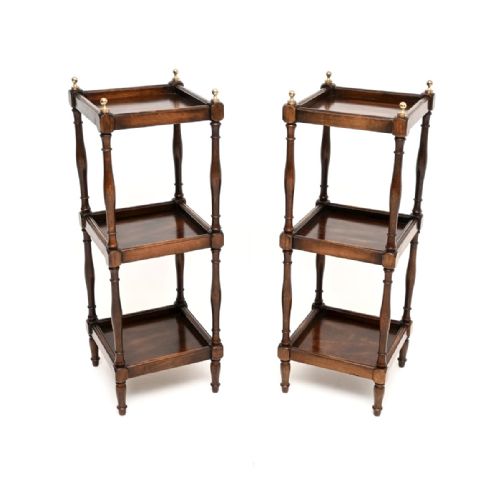
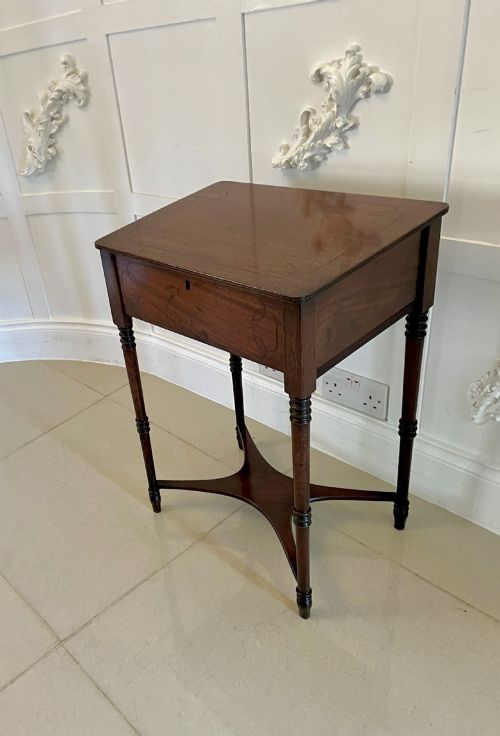
When searching for a dark wood standing lamp, buyers encounter floor-standing lighting solutions alongside occasional tables designed to hold lamps, spanning the Victorian, Edwardian, and Georgian periods. These pieces often overlap with standard lamps and lamp tables recorded in mahogany, oak, and walnut.
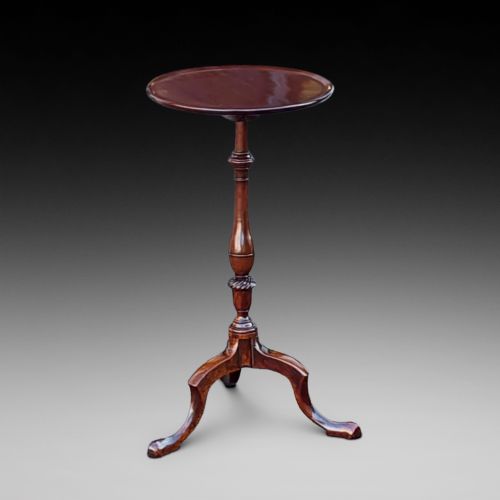
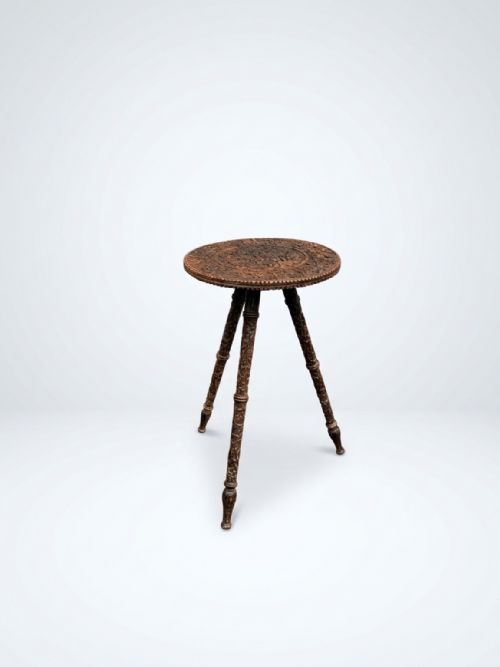
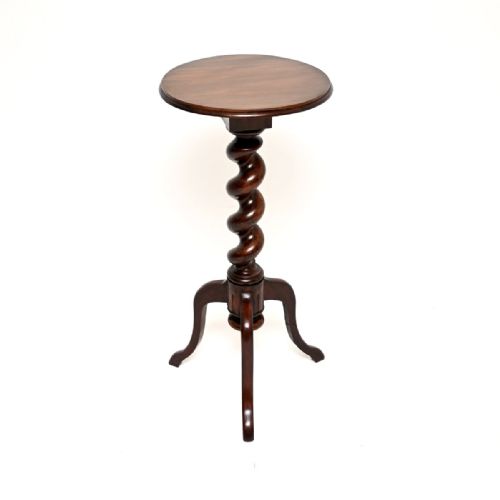
The Edwardian and Victorian eras supply many of the items found here, particularly standard lamps and occasional tables adapted for lighting. Structural forms range from simple turned shafts to barley twist columns and tripod bases.
Alongside British period designs, pieces include Chinese adjustable lamp standards and Chinoiserie decorated examples in dark timber. Buyers frequently select these to anchor a corner of a reception room or study with traditional illumination.
Materials and construction methods
Cabinet makers utilised dense hardwoods such as mahogany, oak, rosewood, and walnut for their strength and deep natural grain. Timber selection dictated whether a piece received a carved finish or a smooth polished surface.
Brass fittings, adjustable mechanisms, and occasional marble tops appear alongside the primary wood structures. Turning, carving, and joinery techniques define the period manufacture of these standard lamps and tables.
Some tall wooden stands spent decades holding heavy porcelain vases before anyone thought to wire them for electricity.
Assessing quality in period lighting and tables
Quality rests in the selection of the timber and the crispness of the carving or turning on the central shaft and legs. Solid hardwood construction outlasts veneered alternatives, and tight, stable joinery indicates competent workshop production.
The integration of brass adjustment mechanisms and decorative detailing marks the distinction between standard utilitarian items and finer commissions. Proportions remain balanced on superior examples, ensuring stability for floor lamps and associated tables.
Liberty of London·William Birch
The Dark Wood Standing Lamp Glossary
- Standard lamp
- A tall floor lamp designed to stand upright without table support. These pieces provide ambient room illumination.
- Barley twist
- A type of woodturning shaped like a spiral rope. This decorative column design appears frequently on Edwardian and Victorian furniture.
- Tripod base
- A three-legged support structure commonly found on small tables and floor-standing lamp standards. It provides stability on uneven floors.
- Wine table
- A small circular occasional table with a central pillar. These tables frequently serve as lamp stands in modern interiors.
- Occasional table
- A small, movable table used for specific secondary purposes. They appear in various shapes and timbers across multiple periods.
Dark Wood Standing Lamp: Frequently Asked Questions
How do I date a dark wood standard lamp?
Dating relies upon examining the style of turning, the timber species, and any associated hardware like brass fittings. Victorian and Edwardian examples often display distinct decorative motifs characteristic of their decades.
Comparison with documented tables and floor lamps from the same periods helps narrow the manufacturing window. Joinery methods also provide clues to the age of the timber frame.
Can I use a vintage lamp table for modern lighting?
Vintage lamp tables and standard lamps integrate easily into contemporary rooms while holding modern lamps securely. Their compact footprints suit corners and beside seating areas.
Wiring on older electrical standard lamps requires professional inspection to meet current safety standards before regular use.
What woods are most common in these pieces?
Mahogany and oak appear most frequently across the listed inventory, complemented by walnut and rosewood. These dense timbers were chosen for their durability and rich colour.
Subordinate materials such as brass and fabric often accompany the primary wooden structures on floor lamps and tables.
How do I care for antique dark wood furniture?
Regular dusting with a soft, dry cloth preserves the polished surface of mahogany, oak, and walnut. Avoiding direct sunlight and extreme temperature changes protects the timber from splitting.
Application of appropriate wax feeds the grain periodically without building up excessive residue on carved details.