



Dark Wood Kidney Table
A dark wood kidney table brings a serpentine silhouette and rich timber tones to a room, offering both practical surface space and distinct period character.
Dark Wood Kidney Table
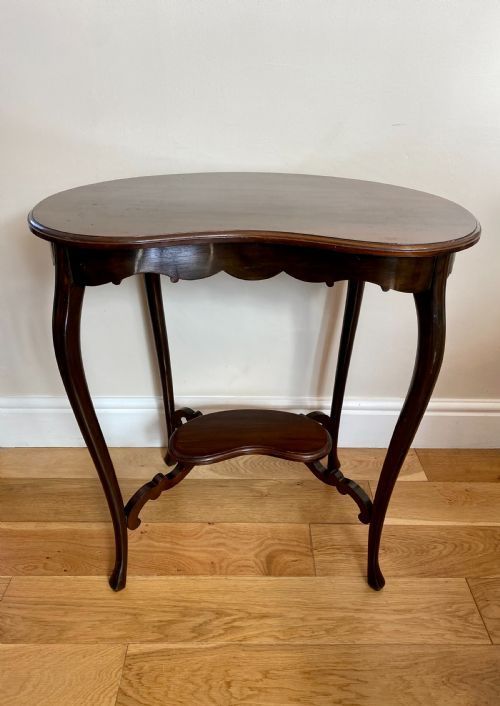
A dark wood kidney table takes its name from the distinctive curved outline of its top, designed to sit comfortably against the body or float within a room. When you search for a dark wood kidney table, you encounter forms ranging from compact side tables to substantial writing desks and display pieces.
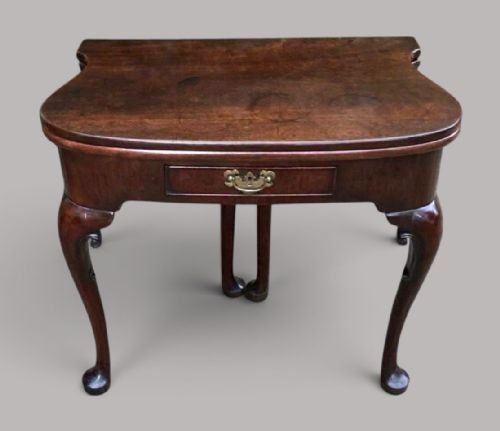
The examples seen here span several distinct eras, drawing upon Georgian origins as well as Victorian and Edwardian interpretations. Victorian and Edwardian makers frequently utilised rich timber grains to accentuate the sinuous contour of the top.
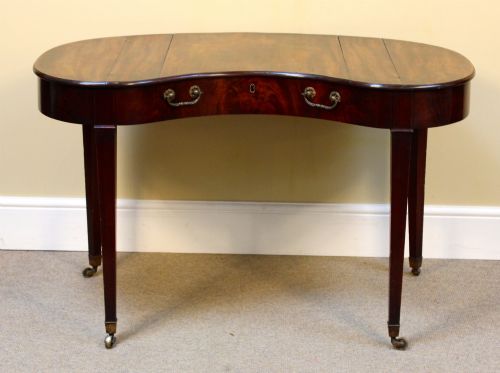
Object types vary widely across these periods, encompassing occasional tables, lamp tables, side tables, and kneehole writing desks. Each form adapts the signature curved surface to different domestic functions while maintaining a cohesive aesthetic.
How they were made
Makers constructed these pieces using dense hardwoods such as mahogany and rosewood, often pairing them with contrasting satinwood inlay to define the edges and surfaces. Selected timbers were chosen for their deep natural colour and ability to take a smooth polish.
Detailing frequently incorporates brass fittings and glass panels, particularly on display variants, while writing tables often inset leather panels into the upper surface. Wood inlay techniques create delicate decorative motifs that follow the sweeping curve of the kidney shape.
Dark Wood Kidney Table Retail Price Guide 2026
Typical asking prices for dark wood kidney table among the pieces listed under this phrase on Sellingantiques today, from the lower quarter to the upper quarter. They describe what is for sale here now, not the wider market.
Listings span the Georgian, Victorian, and Edwardian periods, utilising mahogany, rosewood, and satinwood alongside brass and leather.
What varies in quality
The distinction between standard examples and finer pieces lies in the precision of the timber matching and the intricacy of the inlay work. Finer tables exhibit seamless transitions along the curved edges and balanced proportions throughout the frame.
The choice of primary wood and secondary veneers also dictates the character of the piece, with richly figured rosewood and finely grained mahogany sitting at the higher end of domestic production. Superior examples maintain structural integrity within their slender legs while supporting heavier fitted tops.
The Dark Wood Kidney Table Glossary
- Kidney shape
- A curved furniture top resembling the bean form, designed to present a concave front edge towards the user. This outline provides ergonomic convenience while breaking the monotony of rectangular room layouts.
- Inlay
- A decorative technique where contrasting pieces of wood or other materials are inserted into recesses within the primary surface. Satinwood inlay is particularly common on Edwardian pieces to create linear borders.
- Kneehole
- A recessed central space beneath a desk or writing table designed to accommodate the user's legs. This configuration allows drawers to flank the central opening.
- Occasional table
- A small, light table intended for flexible placement around a sitting room rather than a single fixed function. These pieces often serve as display surfaces or lamp stands.
Dark Wood Kidney Table: Frequently Asked Questions
What is a kidney table used for?
These tables serve multiple functions throughout the home, acting as writing desks, display surfaces, or compact side tables depending on their specific form. Their curved design allows them to sit comfortably in room corners or float near seating areas.
Larger variants equipped with drawers or leather inserts function primarily as writing desks, while smaller occasional and lamp tables hold decorative objects or lighting.
How do I date a kidney table?
Dating relies upon examining the timber choices, inlay styles, and overall construction methods visible in the piece. Georgian and early Victorian examples tend to feature solid mahogany construction with restrained detailing.
Later Victorian and Edwardian pieces often incorporate rosewood veneers, delicate satinwood inlay, and Art Nouveau influences that point towards the turn of the twentieth century.
Are all kidney tables made of mahogany?
While mahogany is frequently seen across both Georgian and later periods, many examples utilise rich rosewood veneers paired with lighter contrasting woods. The choice of timber shifted according to prevailing fashions and maker preferences.
Inlayers frequently used satinwood to create decorative borders that contrast sharply against the darker primary body of the table.
How do I style a kidney table in a room?
The curved silhouette makes these tables effective as freestanding pieces where all angles of the furniture remain visible. Placing a display table or occasional variant near a sofa or in a hallway highlights the distinctive outline.
Desks and writing tables benefit from placement where natural light crosses the surface, accentuating the grain of the mahogany or rosewood top.