

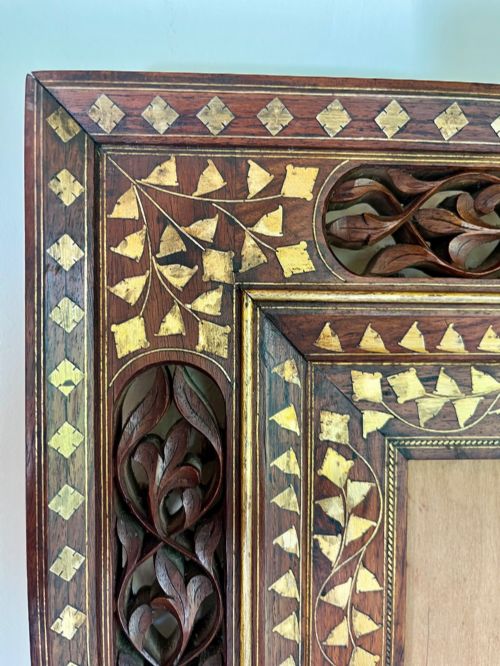
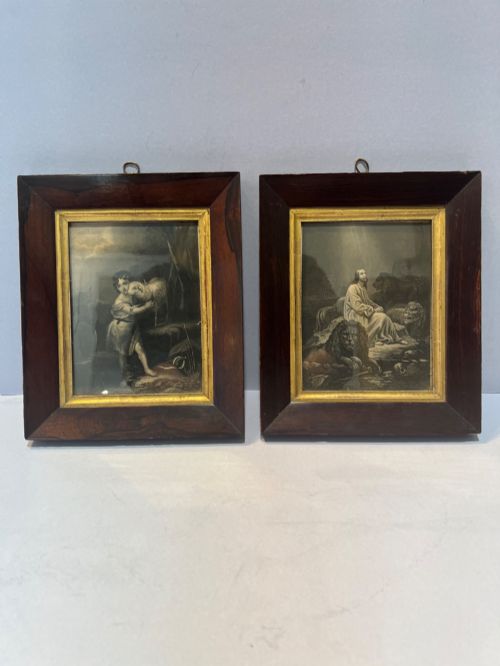
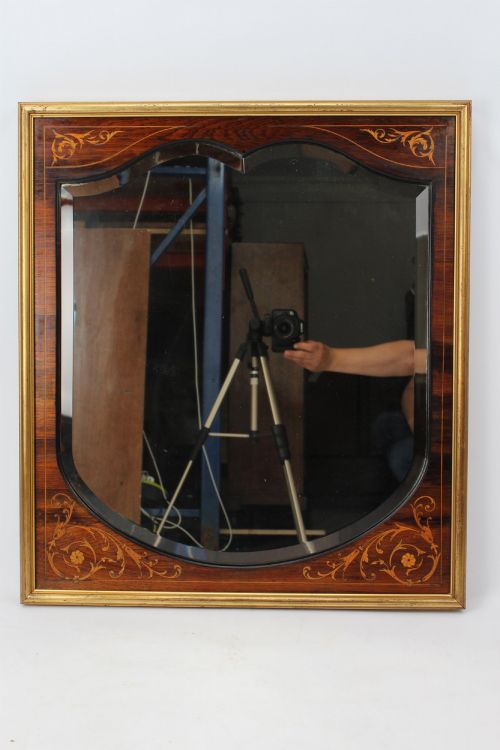
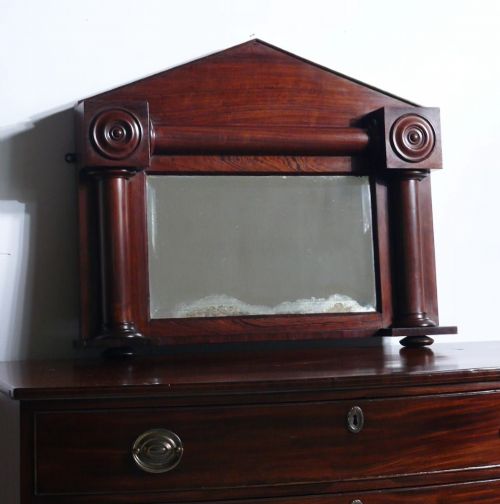


Dark Rosewood Frame
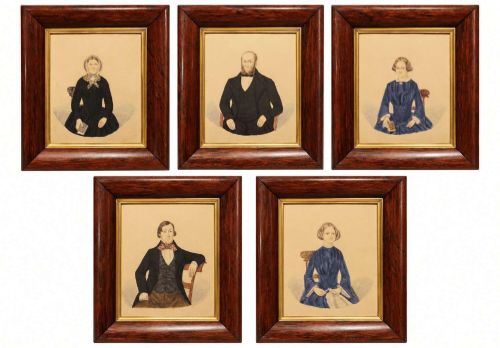
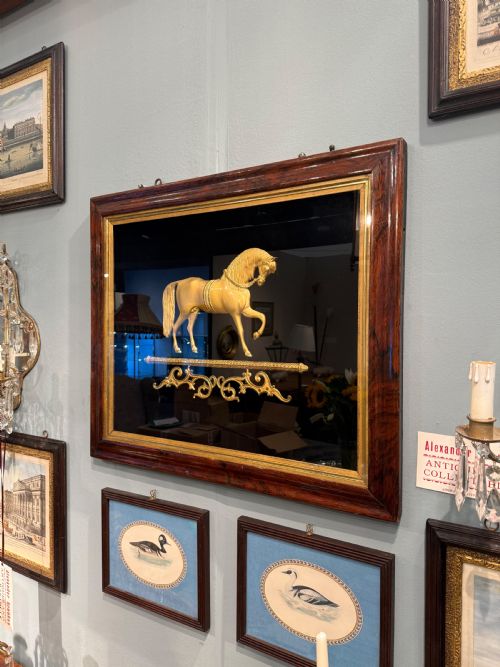
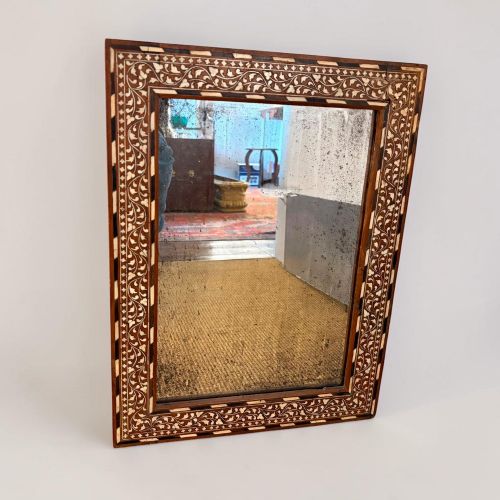
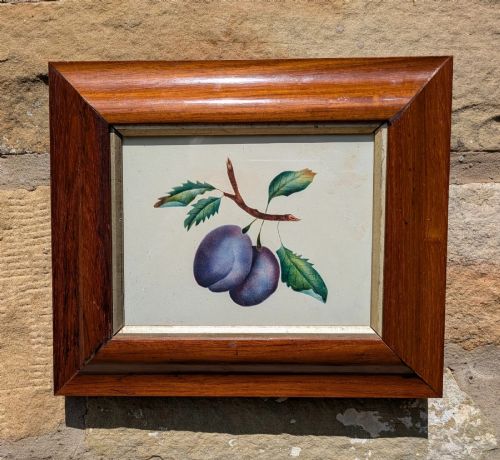
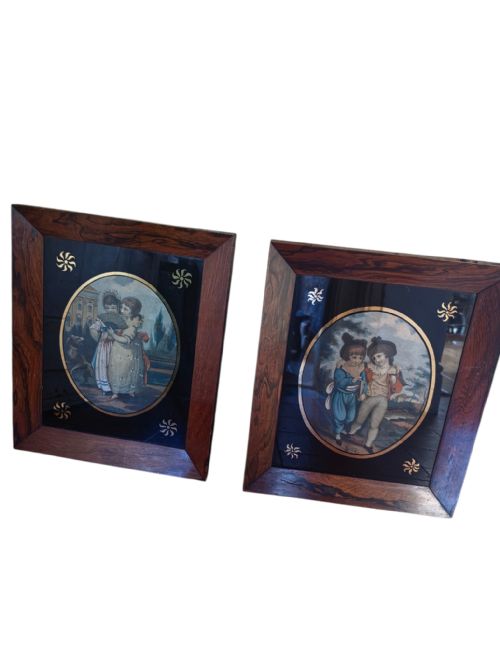
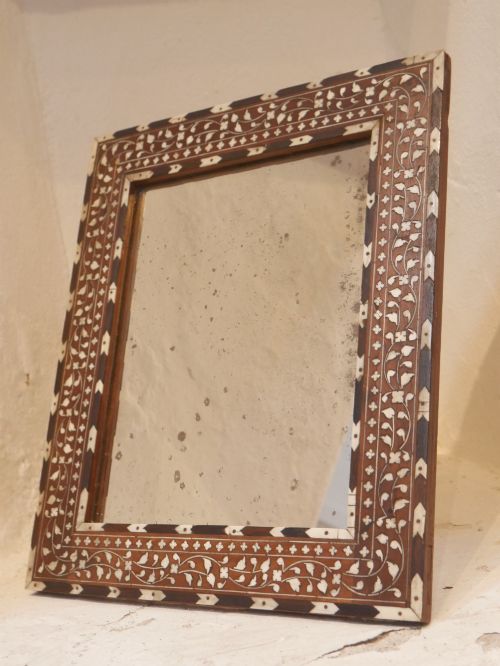
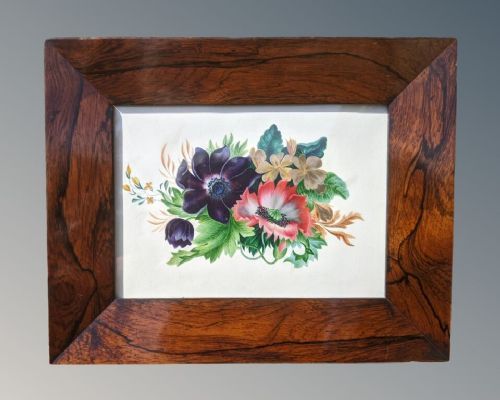
A dark rosewood frame brings rich, dense grain and deep brown tones to wall mirrors, botanical watercolours, and antique prints.
Dark Rosewood Frame
A dark rosewood frame surrounds mirrors, watercolours, prints, and silhouettes dating from the Regency and Victorian periods. Buyers search for this specific combination to house artwork or to display mirrors with deep, characterful timber borders.
The selections span wall mirrors, overmantel mirrors, pier mirrors, and framed botanical watercolours. Many pieces exhibit the dense, dark figuring characteristic of nineteenth-century rosewood.
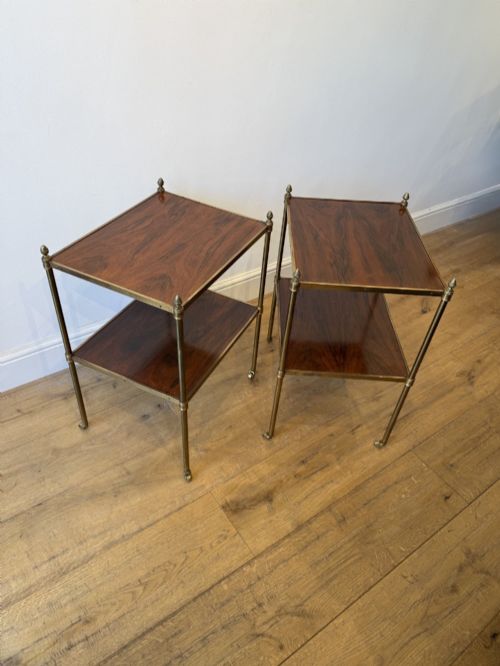
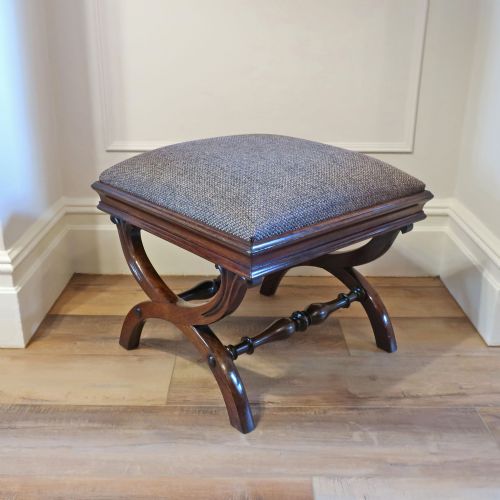
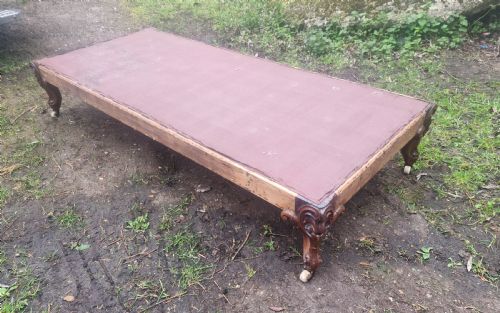
Alongside wall hangings, the category includes furniture pieces incorporating dark rosewood frames and surrounds, such as beds, stools, etageres, and canterbury magazine racks.
How they were made
Cabinetmakers and framemakers utilised solid rosewood or applied finely figured rosewood veneers over secondary timbers. Surfaces were polished to a high sheen to accentuate the dark, contrasting grain.
Many frames incorporate secondary materials such as brass fittings, giltwood accents, or inlaid marquetry. Silk brocade mounts and glass frequently accompany the timber framing in wall art and mirrors.
Dark Rosewood Frame Retail Price Guide 2026
Typical asking prices for dark rosewood frame among the pieces listed under this phrase on Sellingantiques today, from the lower quarter to the upper quarter. They describe what is for sale here now, not the wider market.
Listings feature items spanning the 1850s to the 1920s, incorporating glass, brass, paper, watercolour, silk, fabric, and giltwood alongside rosewood.
What varies in quality
The depth and consistency of the rosewood grain set exceptional examples apart from simpler work. Rich figuring and meticulous timber selection indicate superior craftsmanship.
Construction details, such as the precision of mitred corners on frames and the integration of carved or inlaid elements like gilt accents and marquetry, define the upper tier of the range.
Mallett
The Dark Rosewood Frame Glossary
- Rosewood
- A dense, heavily figured timber prized for its dark brown and black grain patterns. It was widely utilised in fine nineteenth-century cabinetry and framing.
- Overmantel mirror
- A large mirror designed to hang specifically above a fireplace mantelpiece. These pieces often feature substantial rosewood frames and architectural proportions.
- Pier mirror
- A tall, narrow mirror designed to fit on the wall space between two windows. They frequently pair rosewood frames with lower console tables or stands.
- Marquetry
- The art of applying decorative pieces of veneer to a structure to form intricate designs. Edwardian and Victorian makers combined various woods within rosewood frames using this technique.
- Silhouette
- A portrait cut from black paper or painted in profile, popular in the Georgian and Victorian eras. These delicate works were frequently mounted behind glass in dark wooden frames.
Dark Rosewood Frame: Frequently Asked Questions
What periods do these pieces date from?
The inventory spans the Regency, Victorian, and Edwardian eras, with most items originating in the nineteenth century. Makers during these decades favoured rosewood for its dark, dramatic grain.
Specific production dates stretch from the early nineteenth century through to the Edwardian period, encompassing styles such as Neoclassical Revival and Anglo-Indian.
How do I care for a rosewood frame?
Keep wooden frames away from direct sunlight and dramatic changes in temperature to prevent the timber from drying out or splitting. Gentle dusting with a dry, soft cloth maintains the polished surface.
Avoid using modern liquid polishes or silicone sprays, which can build up on the antique polished finish and dull the natural grain.
What items feature these frames?
Rosewood framing appears predominantly on wall mirrors, overmantel mirrors, and pier mirrors. It also frames delicate paper items such as botanical watercolours, prints, and silhouettes.
Beyond wall art, the timber forms structural frames for larger furnishings including beds, stools, side tables, and etageres.
Are these frames solid rosewood?
Some items utilise solid rosewood throughout the construction, particularly smaller mouldings and turned elements. Larger architectural mirrors and furniture carcasses frequently employ rosewood veneers applied over stable secondary timbers.
Both solid construction and veneering represent period manufacturing practices designed to showcase the rich figure of the wood without warping.