


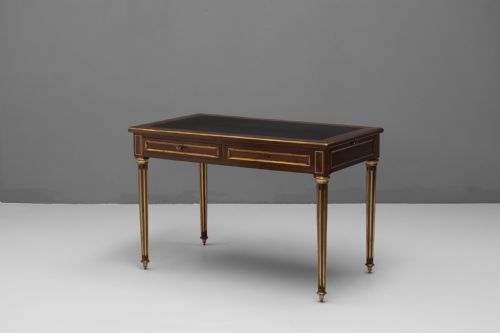

Dark Mahogany Bureau Table
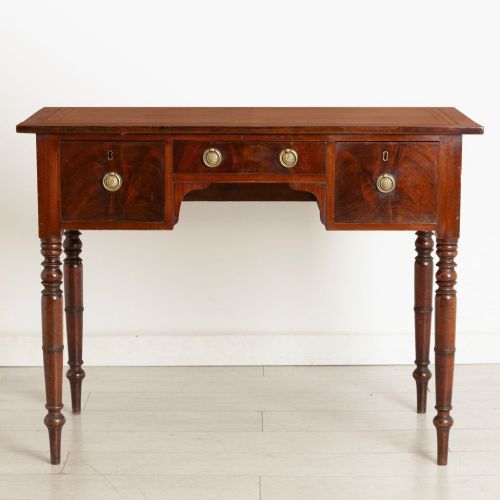
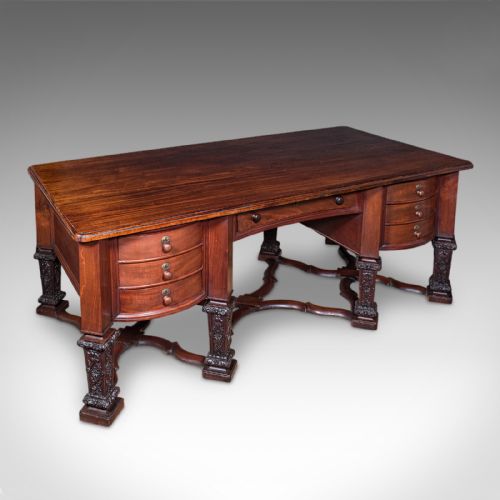
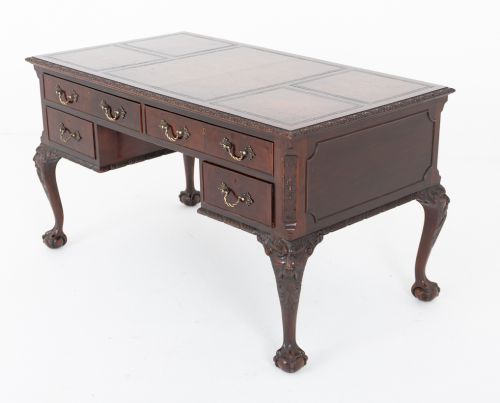
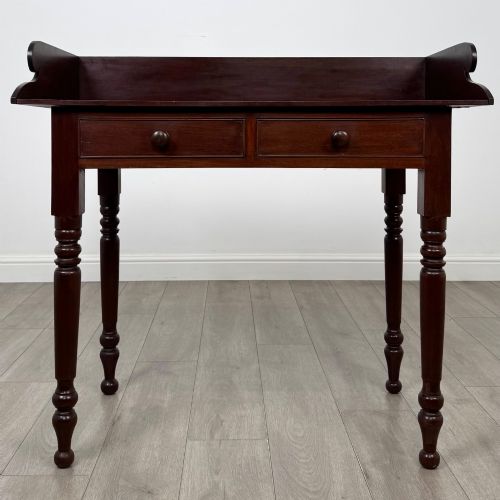
A dark mahogany bureau table brings rich timber grain and dedicated writing space into a room, offering both character and function.

Dark Mahogany Bureau Table
A dark mahogany bureau table combines the practical surface of a writing desk with rich, deep timber tones. Pieces matching this search phrase span from the Georgian and Victorian eras through to the Edwardian period.
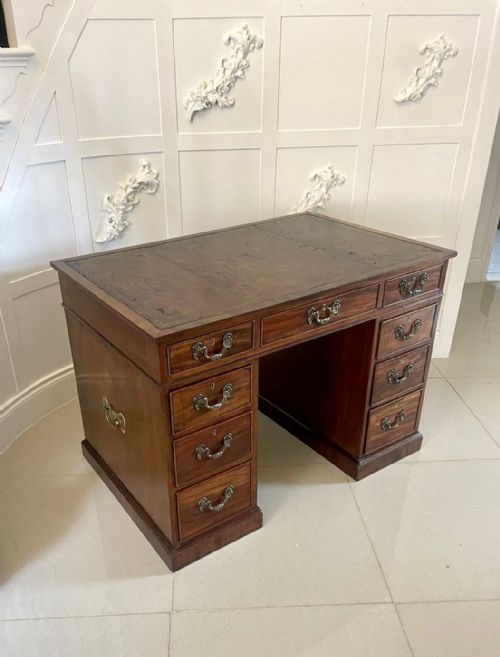
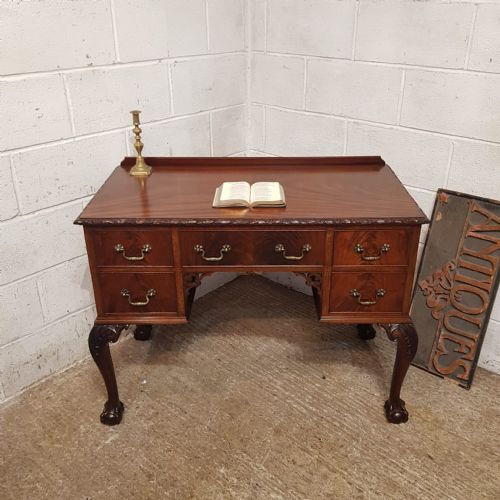
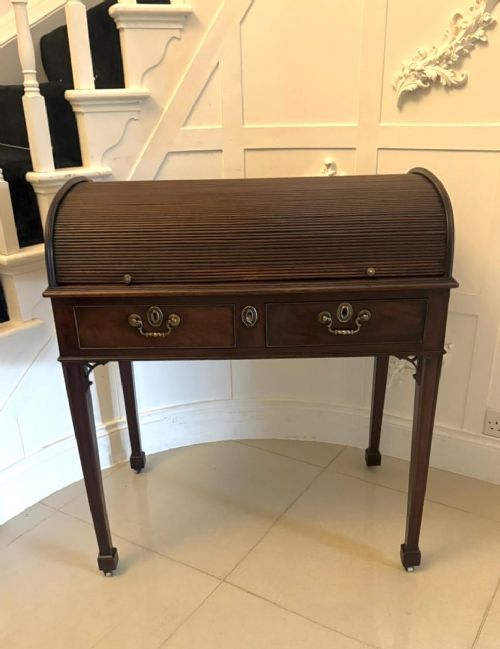
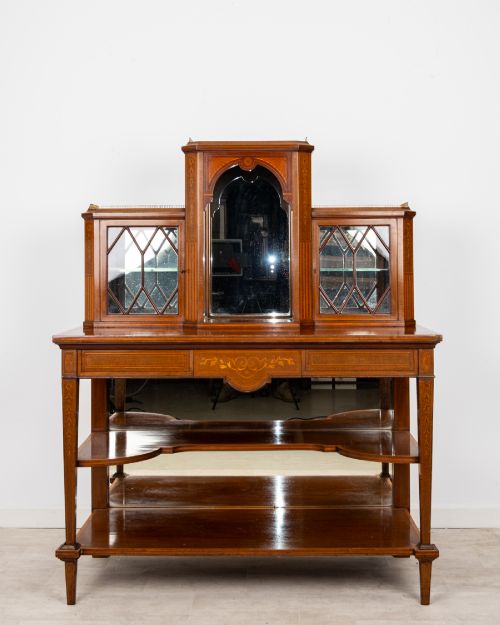
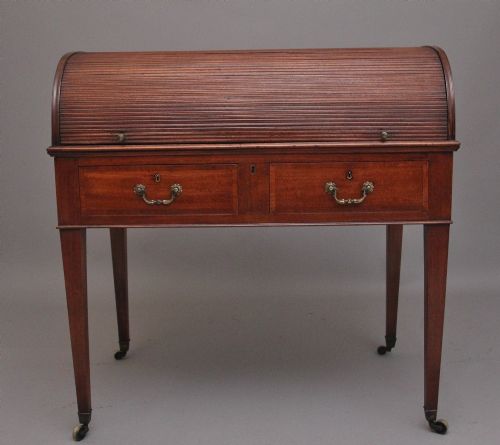
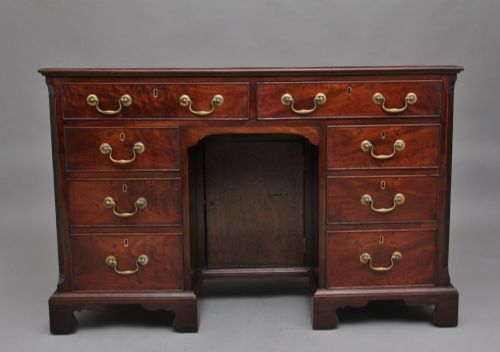
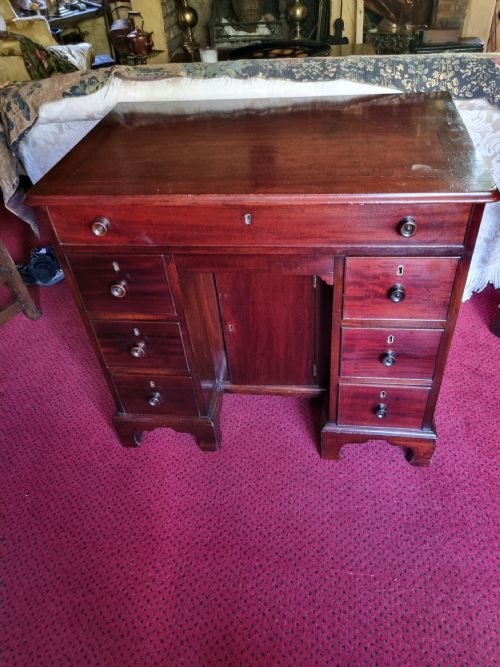
The selection here encompasses various writing forms including kneehole desks, cylinder desks, tambour tops, and kidney-shaped writing tables. Makers utilised rich timbers such as flame mahogany alongside satinwood inlay and brass hardware.
Examples range from restrained George III library desks to decorative French bureau-plat styles and Chippendale revival pieces. Buyers will find both pedestal formats and smaller ladies desks designed for domestic studies.
Materials and construction
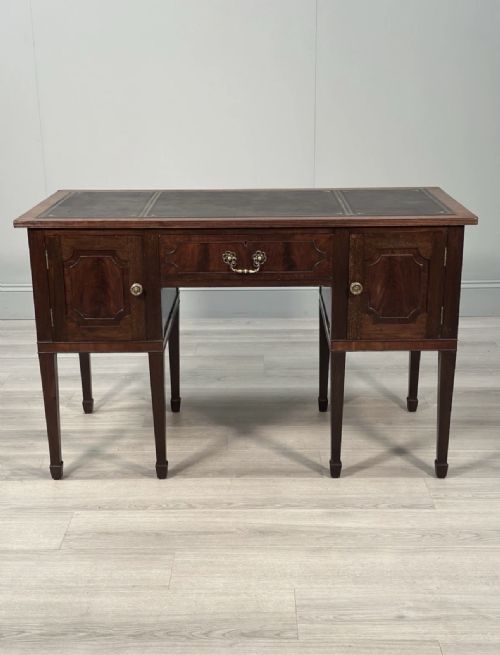
Cabinetmakers built these pieces primarily using solid mahogany and flame mahogany veneers over secondary timbers, often incorporating brass handles, locks, and casters. Leather inserts frequently form the writing surface on tables designed for correspondence.
Inlaid details utilise contrasting satinwood and partridgewood to create borders and decorative motifs. Structural joinery relies on traditional dovetailing for drawers and robust framing for freestanding pedestals and kneeholes.
Listings feature mahogany desks spanning Georgian, Victorian, and Edwardian periods, incorporating brass hardware, leather tops, and satinwood inlay.
Evaluating craftsmanship
The hierarchy of quality rests on the selection of timber and the precision of the cabinetwork. Fine flame mahogany grain figures and crisp, hand-cut inlay distinguish superior pieces from standard production.
Original hardware, working locks, and secondary woods that match the period indicate higher craftsmanship. Exhibition pieces feature thoughtful integration of internal stationery compartments and refined carving styles.
George Faulkner Armitage·Shapland & Petter·John Gregory London·Liberty Arts & Crafts
The Dark Mahogany Bureau Table Glossary
- Tambour
- A sliding door or top constructed from narrow vertical strips of wood glued to a canvas backing. This mechanism allows a desk cylinder to conceal the writing surface smoothly.
- Kneehole desk
- A compact desk featuring a central recessed space for the legs, flanked by pedestals of small drawers. This form became popular during the Georgian period.
- Bureau-plat
- A flat-topped writing table, usually freestanding with legs rather than pedestals. Originating in France, these tables often feature gilt bronze mounts and leather top inserts.
- Satinwood inlay
- A decorative technique where contrasting light-coloured satinwood is set flush into the darker mahogany surface. It creates geometric borders and floral motifs.
- Flame mahogany
- A veneer cut from the fork of the mahogany tree where the branches join the trunk. This produces a dramatic, flickering grain pattern prized by cabinetmakers.
Dark Mahogany Bureau Table: Frequently Asked Questions
What is a tambour desk?
A tambour desk incorporates a slatted wooden shutter that rolls back in tracks to reveal pigeonholes and writing slides. This mechanism keeps correspondence hidden while maintaining a compact footprint.
Craftsmen glued narrow wood strips to fabric backings to create the flexible shutter. These desks date across Georgian, Victorian, and Edwardian periods.
What is a bureau-plat?
A bureau-plat is a flat-topped freestanding writing table derived from French design. It provides a generous leather-lined writing surface supported by four legs rather than heavy pedestals.
These tables often include pull-out slides at the ends and decorative bronze mounts along the frieze.
Are these desks suitable for daily home office use?
Many antique writing desks accommodate modern laptop use while providing hidden storage for paperwork. Their traditional dimensions fit domestic studies and living spaces alike.
Leather surfaces and pull-out writing slides offer practical areas for daily writing and organisation.