



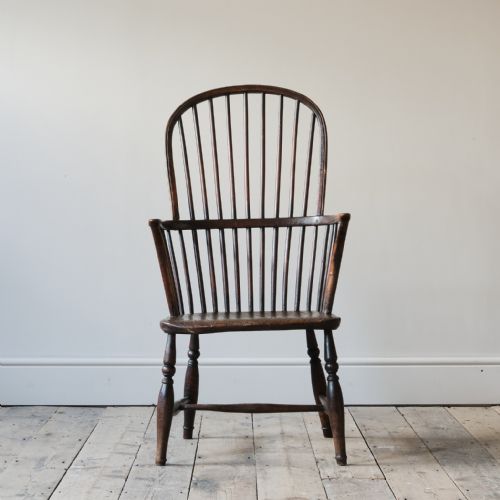


Dark Elm High Chair
A dark elm high chair brings robust vernacular character to domestic spaces, offering sturdy timber grain and traditional joinery built to last.
Dark Elm High Chair
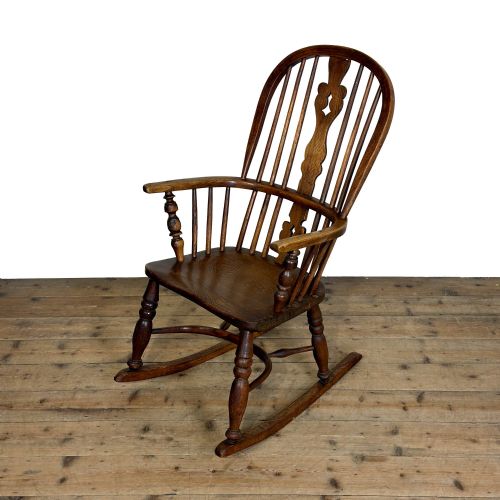
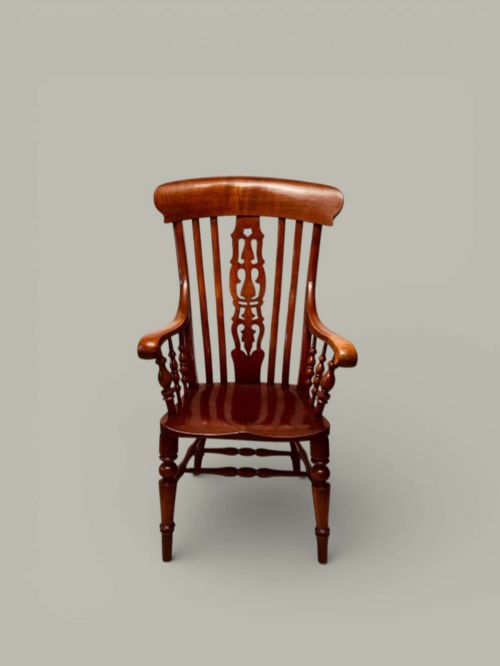
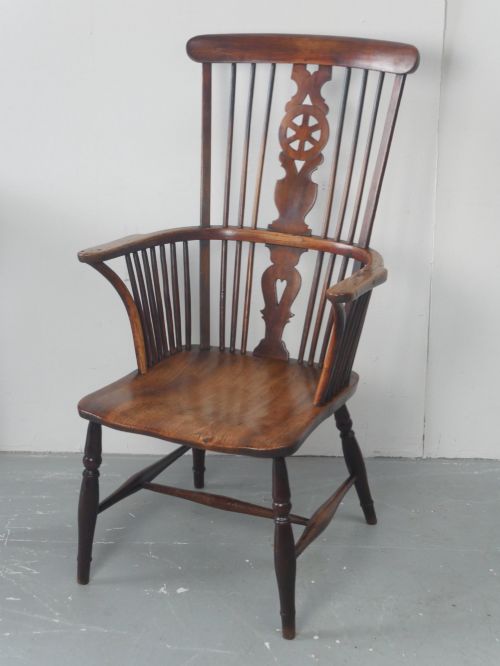
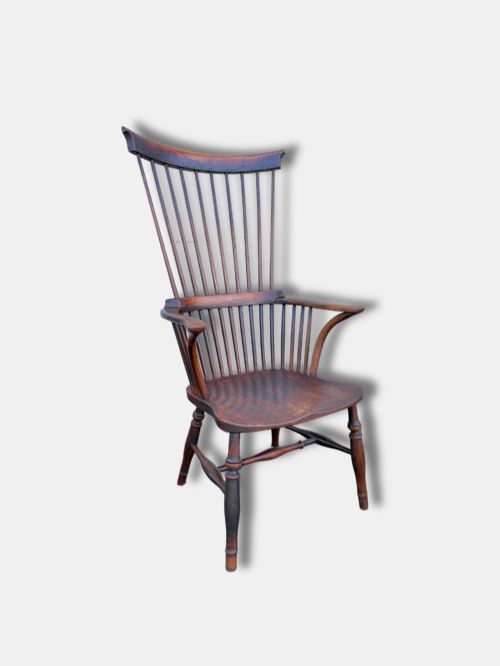
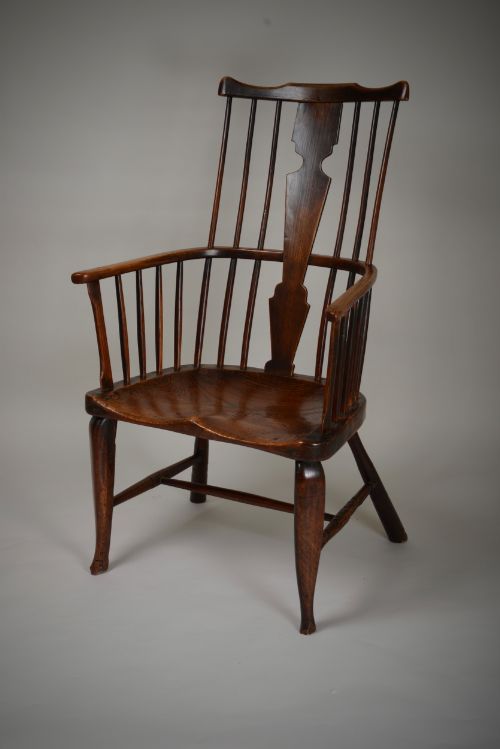
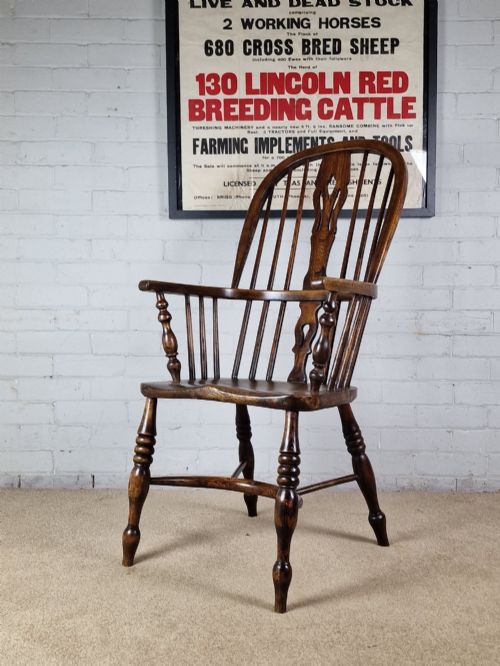
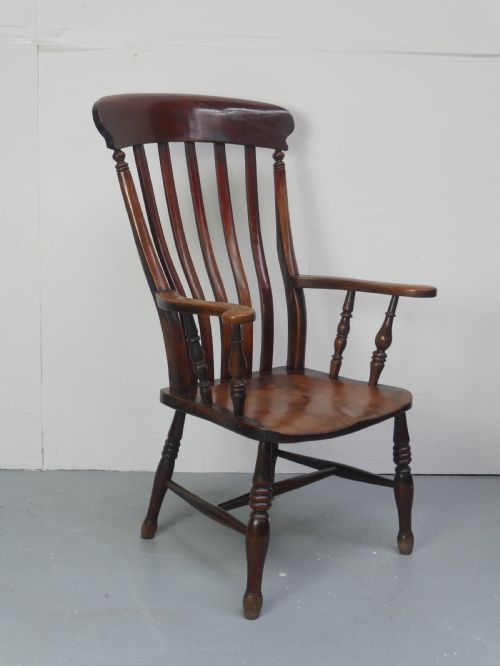
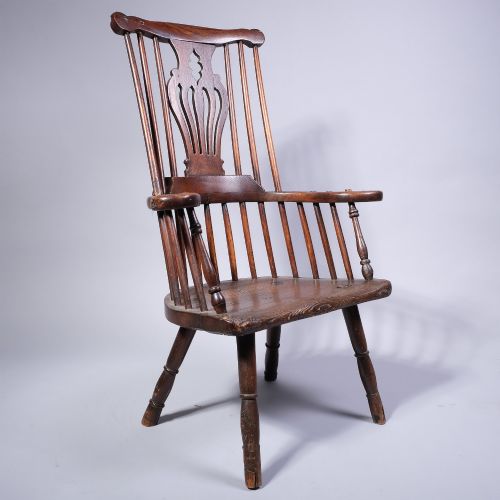
A dark elm high chair is part of a broader tradition of vernacular country seating spanning the eighteenth and nineteenth centuries, including Victorian and Edwardian periods. These pieces serve primarily as children's seating or elevated domestic chairs, originating from English regional workshops in styles like Georgian country and rustic farmhouse.
The objects listed here encompass robust materials like elm, ash, and beech, taking forms such as comb backs, hoop backs, and high chairs. Buyers encountering this selection will find examples ranging from early nineteenth century provincial pieces to later Edwardian variants.
Materials and construction methods
Construction relies heavily on solid elm for seats, paired with ash or beech for spindles, legs, and bending parts. Timber selection prioritises the dense, interlocking grain of elm to prevent splitting under heavy daily use.
Joinery methods utilise traditional stick-built construction, where turned legs and back spindles are wedged directly into thick solid timber seats. Makers shape components using drawknives and shaves, securing structural integrity without reliance on modern adhesives.
Dark Elm High Chair Retail Price Guide 2026
Typical asking prices for dark elm high chair among the pieces listed under this phrase on Sellingantiques today, from the lower quarter to the upper quarter. They describe what is for sale here now, not the wider market.
Factors of quality and construction
Quality rests in the balance of proportions, the comfort of the timber saddle seat, and the integrity of the spindle turnings. Superior examples display clean articulation in the comb or hoop back and retain deep, rich natural patination on the dark elm surfaces.
Lesser pieces often suffer from heavy-handed modern repairs, replaced undercarriages, or excessive timber shrinkage that compromises the original stick joinery. The best specimens maintain their original wedges and show minimal replacement across the structural framework.
John Shadford
The Dark Elm High Chair Glossary
- Comb back
- A Windsor chair variation where the back spindles extend upward through a horizontal top rail, resembling the teeth of a comb. This style provides solid upper back support.
- Hoop back
- A continuous bentwood bow forming the arms and upper back of a chair. It distributes weight evenly across the main structural frame.
- Vernacular
- Objects designed and built by regional craftsmen for local domestic use rather than following strict high-style metropolitan fashions. These pieces prioritise utility and local timber availability.
- Saddle seat
- A thick wooden seat base shaped with hollows and contours to mimic the comfort of an equestrian saddle. Elm is frequently chosen for this component due to its resistance to splitting.
Dark Elm High Chair: Frequently Asked Questions
How do I date a dark elm chair?
Dating relies on examining tool marks, timber shrinkage, and the structural design of the undercarriage and comb. Earlier pieces often display more hand-carved shaping and simpler turnings compared to later Victorian and Edwardian iterations.
Changes in turning profiles and the transition from ash to beech secondary woods also help narrow down the period of manufacture across the nineteenth century.
Are these chairs suitable for daily use?
Solid elm and ash construction makes these chairs exceptionally durable for everyday seating in domestic environments. The robust stick-built frame handles normal weight distribution effectively when maintained properly.
Placing them away from direct heat sources helps prevent timber splitting in the thick plank seats over time.
Why is elm used for the seats?
Elm possesses a tangled, interlocking grain structure that resists splitting when nails, wedges, or leg tenons are driven directly into the wood. This makes it the ideal timber for solid saddle seats.
Makers harnessed this toughness to create deep, comfortable hollows without compromising the structural integrity of the chair base.
What defines a vernacular piece?
Vernacular furniture comes from regional makers working outside urban guild standards, using locally sourced woods like elm, ash, and beech. These items reflect local traditions and practical domestic needs.
Every workshop brought slight variations in spindle turning and back construction to these regional chairs.