





Dark Academic Art
Dark academic art centres on serious oil paintings and patinated bronze sculptures that bring moody, intellectual character to a room.
Dark Academic Art
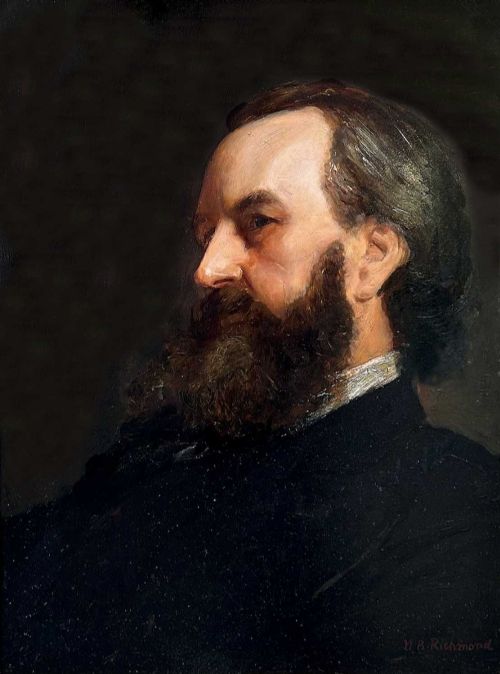
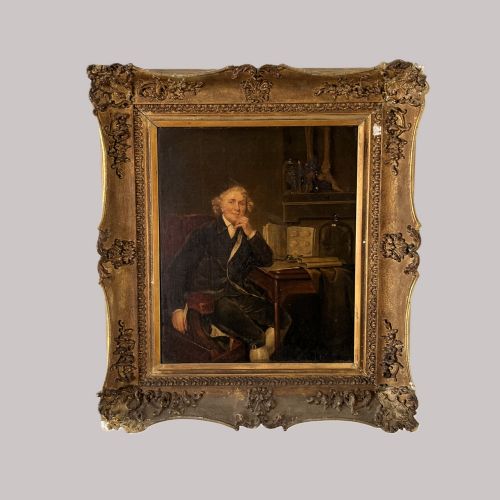
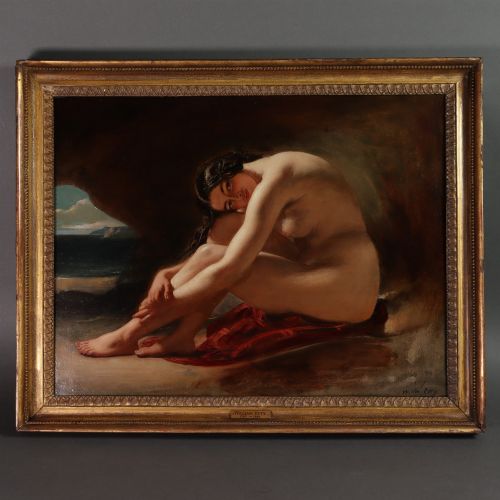
Dark academic art comprises traditional oil paintings and bronze sculptures spanning the eighteenth, nineteenth, and early twentieth centuries. Portraits of scholars, classical figures, still lifes, and mythological scenes dominate the selection.
Buyers frequently encounter nineteenth-century portraits in oil on canvas alongside patinated bronze figures and table lamps. These pieces reflect historical academic training and European school traditions.
The aesthetic relies on sombre palettes, rich textures, and dramatic lighting to create a studious, contemplative atmosphere. Subjects often reference literature, history, and classical mythology.
Materials and construction
Canvases and panels receive layers of oil paint applied with fine brushwork to achieve depth, shadow, and tonal variation. Giltwood frames frequently house these paintings, adding a structured border.
Bronze and patinated bronze sculptures take shape through foundry casting, often signed by the artist and finished with rich dark patination. Spelter appears as an alternative metal medium in figural lamps.
Dark Academic Art Retail Price Guide 2026
Typical asking prices for dark academic art among the pieces listed under this phrase on Sellingantiques today, from the lower quarter to the upper quarter. They describe what is for sale here now, not the wider market.
Subjects across these works include portraits of historical scientists, classical figures, still lifes, and mythological scenes.
Determining quality in these pieces
Anatomical precision and expressive handling in painted portraits and bronze figures separate superior works from standard production. Master painters and known sculptors demonstrate superior control over light, shadow, and form.
The depth of the bronze patination and the crispness of the foundry cast distinguish finer metalwork. Original frames and documented artist signatures elevate the historical integrity of the piece.
William Blake Richmond·Julien Lorieux·William Etty·Lance Calkin·August Heinrich Riedell·Arthur Hacker·Charles Arthur Bourgeois·Théophile Emmanuel Duverger·Houdebine·Arthur Spooner·Henry William Pickersgill·Adrien Gaudez·Henri Plé·Jules Le Roy·Rudolph Lehmann·J C De Blezer·Cowan Dobson·Frank Thomas Copnall·Louis Ernest Barrias·William Biscombe Gardner·Edward Penny
The Dark Academic Art Glossary
- Patinated bronze
- A copper alloy sculpture treated with chemicals to produce a darkened surface finish. This treatment enhances the shadows and highlights modelled by the sculptor.
- Oil on canvas
- Pigments suspended in a drying oil applied to a woven fabric support. This medium allows for subtle blending and rich dark tones typical of academic painting.
- Spelter
- A zinc alloy used as a cost-effective alternative to bronze for nineteenth and twentieth-century figures and lamps. It is often given a bronze-coloured coating to mimic heavier metal.
- Giltwood
- Timber carved and coated with a thin layer of gold leaf. These frames provide a reflective contrast to dark academic canvases.
Dark Academic Art: Frequently Asked Questions
What defines dark academic art?
Dark academic art encompasses historical paintings and sculptures featuring serious, intellectual, or mythological themes. The aesthetic leans on sombre tones and scholarly subjects.
These pieces typically date from the eighteenth to the early twentieth century. Portraits of notable figures and classical bronzes are central to the style.
Where should I hang a dark academic oil painting?
These moody paintings suit libraries, studies, and rooms with panelled walls or deep-coloured paint. Adequate lighting brings out the hidden details in shadowed backgrounds.
Pairing canvases with traditional gilt frames helps anchor them against darker wall treatments. Keep them away from direct sunlight to protect the oil pigments.
How do I care for antique bronze sculptures?
Dust bronze figures regularly with a soft, dry cloth to prevent particulate accumulation. Avoid using commercial polishes or water, which can strip the historical patination.
Stable indoor humidity levels protect the metal from corrosion. Handling the sculpture by its base preserves the original finish.
Are these bronze pieces original nineteenth-century works?
Many listed bronzes date from the nineteenth century and carry artist signatures or foundry marks. Examining the quality of the cast helps confirm the period.
Documentation and artist attributions provide further context for sculptures and portrait paintings. Comparing patination styles aids in identifying nineteenth-century production methods.