



Dark Academia Portrait Artwork
Dark academia portrait artwork brings moody depth and historical gravity to a room through oil paintings on canvas and wood spanning several centuries.
Dark Academia Portrait Artwork
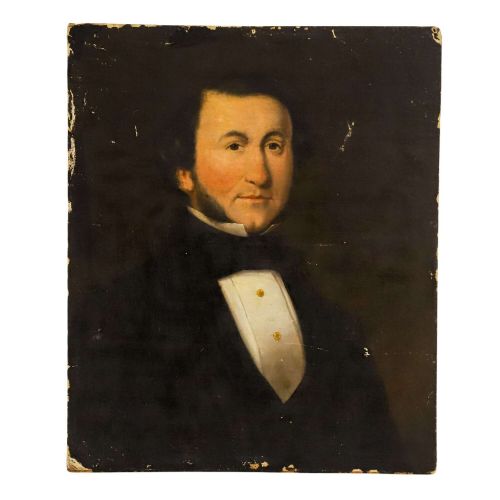
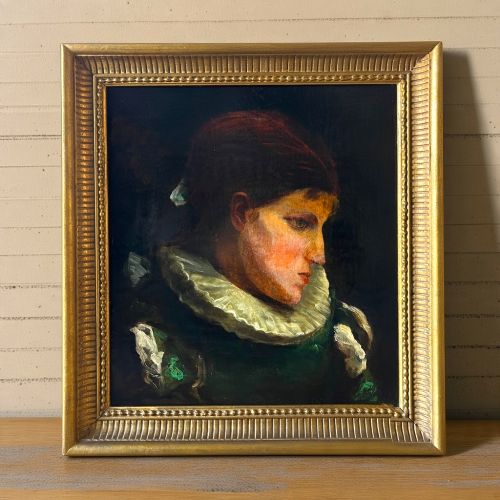
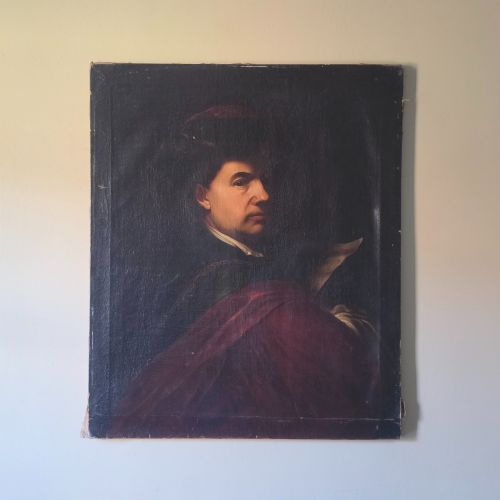
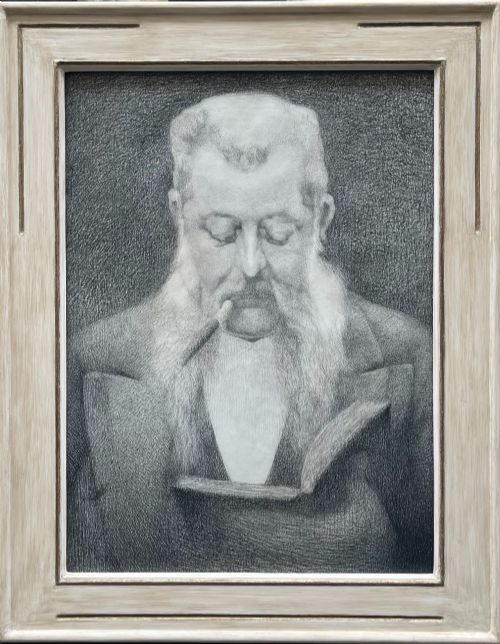
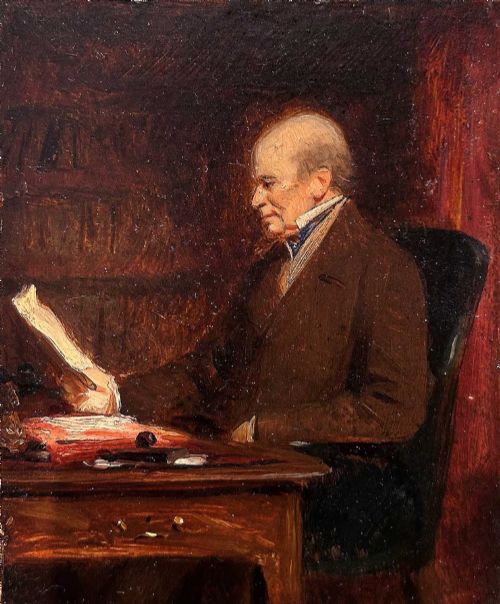
Dark academia portrait artwork comprises historical oil paintings and framed wall art capturing figures from the seventeenth century through to the early twentieth century. Buyers pursuing this aesthetic seek out moody subject matter, including distinguished gentlemen in ruffs, serious scholars, and sombre interior scenes executed in deep, muted tones.
The selections encountered here lean heavily towards nineteenth-century canvases, alongside earlier Dutch and Scottish school pieces. Subjects range from naive folk art portraits of animals to formal studies of historical figures and dramatic narrative scenes set against dark backgrounds.
Forms remain traditional, predominantly taking the shape of oil paintings on canvas or board, housed within period frames of giltwood and gesso. These works anchor a study, library, or hallway with an immediate sense of academic heritage and accumulated history.
What varies in quality
Quality rests in the handling of light and shadow, distinguishing works with profound psychological depth from standard decorative portraiture. Superior pieces demonstrate confident brushwork and anatomical precision, whether created by trained academic painters or accomplished regional hands.
The integrity of the surface and the retention of original framing materials significantly influence the character of each piece. Surviving examples that maintain their unlined canvases and period giltwood frames offer a more complete historical presence.
Dark Academia Portrait Artwork Retail Price Guide 2026
Typical asking prices for dark academia portrait artwork among the pieces listed under this phrase on Sellingantiques today, from the lower quarter to the upper quarter. They describe what is for sale here now, not the wider market.
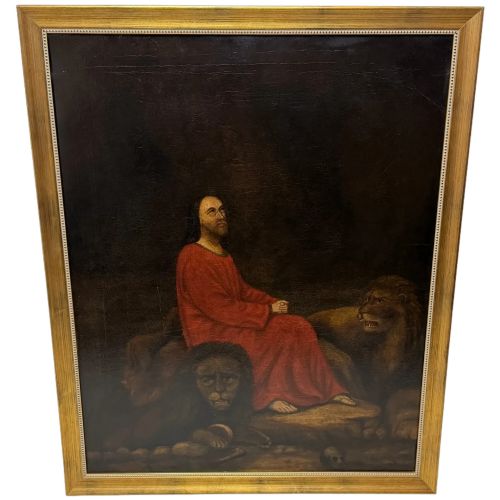
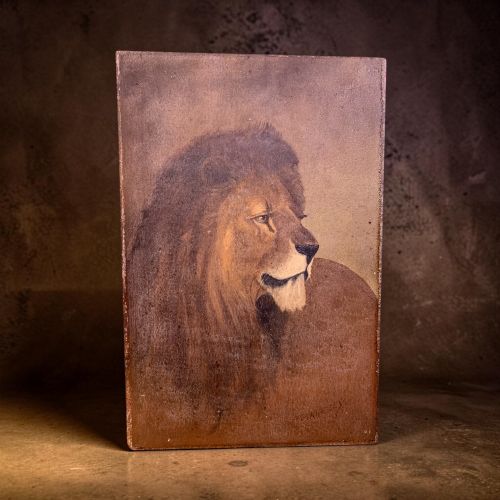
One determined nineteenth-century artist paused historical human dignity entirely to paint a very serious, soulful portrait of a lion.
Stephen Pearce·Herbert Butler·James Archer·John Scougall·Stephen Taylor·Otto Rothenburgh·Sir Joshua Reynolds·Lemuel Francis Abbott
The Dark Academia Portrait Artwork Glossary
- Giltwood
- Wood carved and coated with gold leaf or metal powder to create a decorative frame. This finish often shows natural craquelure and ageing consistent with centuries of display.
- Gesso
- A plaster mix applied to wood panels or canvas to create a smooth surface for oil painting. It provides the rigid base necessary for detailed portraiture.
- Symbolist
- A late nineteenth-century artistic movement that favoured spiritual and moody themes over strict realism. Such works often use allegory and dark palettes to evoke internal psychological states.
- Ruff
- A prominent pleated collar worn in the sixteenth and seventeenth centuries, frequently seen in Dutch and Elizabethan portraiture. It serves as a reliable costume indicator for dating early works.
Dark Academia Portrait Artwork: Frequently Asked Questions
How do I style dark academia portrait artwork?
Hang these canvases against deep, moody wall colours like forest green, charcoal, or burgundy to enhance the academic atmosphere. Pair them with dark wood bookcases, leather armchairs, and brass lighting.
Keep surrounding objects minimal and historical in feel to let the dark tones and serious expressions of the portraits dominate the space.
What periods do these portraits cover?
The selection spans from the seventeenth century through the Victorian era up to the early twentieth century. Early examples feature Dutch and Elizabethan subjects, while later pieces include Victorian academic works and symbolist paintings.
Each period brings distinct clothing styles and painting techniques, ranging from stiff ruffs to nineteenth-century black tie attire.
Are these paintings on canvas or wood?
The majority of the collection consists of oil paints applied to traditional woven canvas stretched over wooden frames. Several pieces utilise alternative supports such as wooden boards or copper plates, particularly among earlier works.
Examining the reverse of the artwork often reveals the original stretcher bars and historical framer stamps.
How can I tell an older portrait from a later one?
Costume and hair styling offer the clearest initial clues, such as seventeenth-century ruffs versus nineteenth-century cravats and waistcoats. Canvas types, stretcher construction, and the ageing of the oil paint also help determine the approximate decade of creation.
Attribution notes and signatures recorded on the reverse or front provide further documentary evidence of the artist and period.