

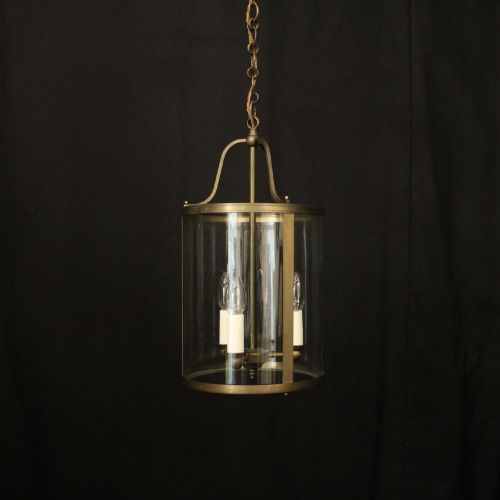
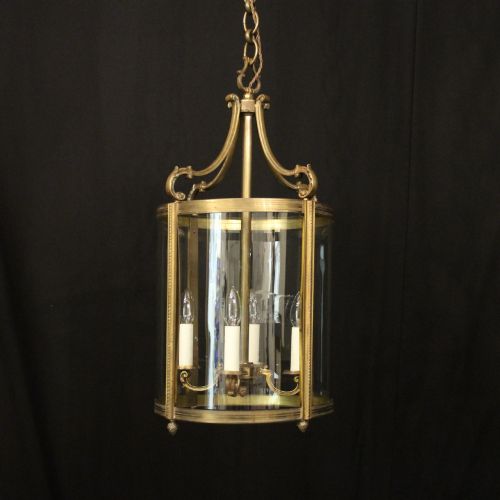
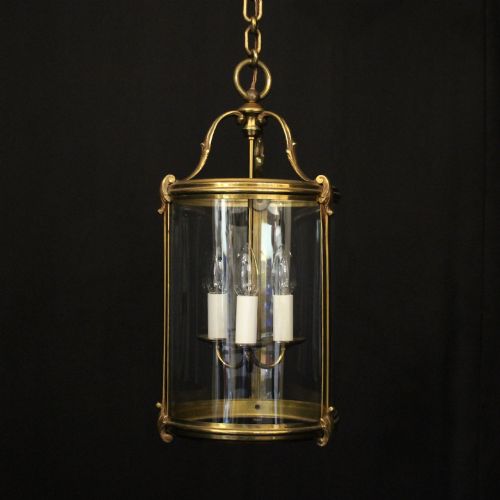
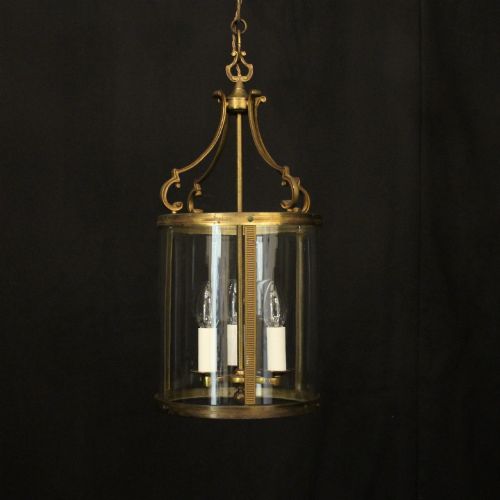


Cylindrical Ceiling Light
A cylindrical ceiling light offers focused downward illumination through glass panels set within a substantial metal frame.
Cylindrical Ceiling Light
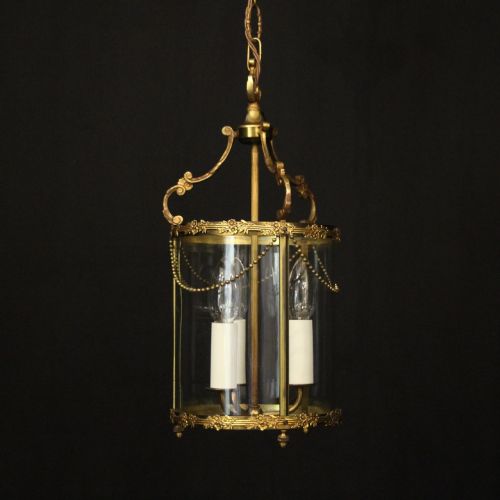
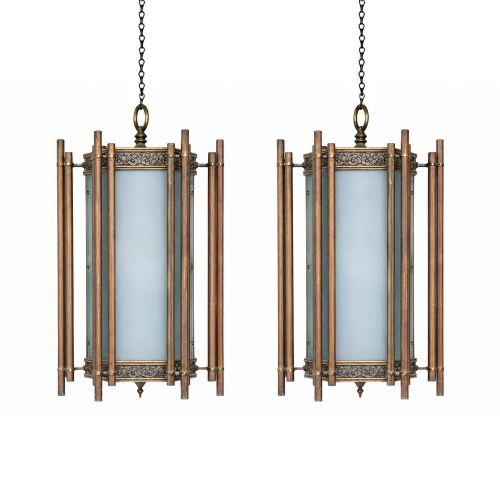
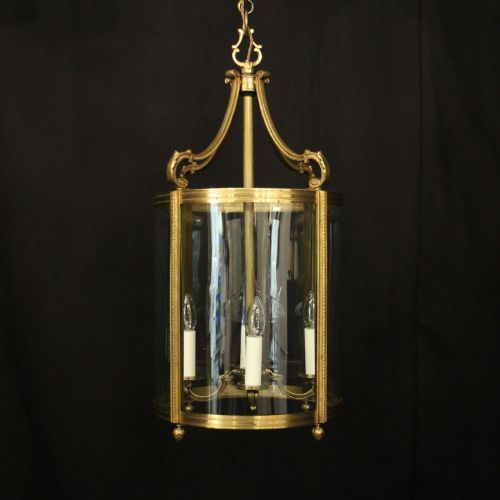
A cylindrical ceiling light draws the eye with vertical lines and enclosed glass panels, often taking the form of a hall lantern suspended from chains or rods. Buyers seeking this cylindrical ceiling light format frequently encounter French lanterns originating from the nineteenth century, the Edwardian period, or the nineteen-twenties and nineteen-thirties.
The assortment spans diverse stylistic revivals, including French Neo-Classical, Art Deco, and Empire designs alongside Georgian Revival interpretations. Most examples house multiple internal lights, ranging from single bulbs to triple and quadruple light configurations designed to illuminate hallways and high-ceilinged vestibules.
Moulded glass panels, convex glass bodies, and plain or frosted panes define the outer shell of these fixtures. Metal mounts in brass, bronze, and gilt variants secure the structure, creating a balance of utility and decorative presence that suits period properties.
Markers of quality
The weight and thickness of the cast metal frame dictate the structural integrity and overall calibre of the fixture. Heavier bronze and brass castings retain crisper decorative details in the chasing compared to lighter pressings.
The quality of the glass panels - particularly those featuring convex curves or complex moulding - distinguishes superior examples. Clear, uniform glass without excessive bubbles or distortions indicates careful manufacturing standards during the period of production.
Cylindrical Ceiling Light Retail Price Guide 2026
Typical asking prices for cylindrical ceiling light among the pieces listed under this phrase on Sellingantiques today, from the lower quarter to the upper quarter. They describe what is for sale here now, not the wider market.
Several lanterns arrived with convex glass panes designed to make modest hallways look astonishingly expansive.
The Cylindrical Ceiling Light Glossary
- Convex glass
- Curved glass panels that project outward to soften internal light diffusion. This technique adds volume and visual interest to the profile of a hanging lantern.
- Gilt bronze
- Bronze metal treated with a thin layer of gold or gold-coloured finish. It provides a durable, lustrous surface popular in French decorative lighting.
- Hall lantern
- An enclosed ceiling light fixture traditionally hung in corridors, vestibules, or entrance halls. These fixtures combine protective glass panels with decorative metal frames.
- Art Deco
- A design style spanning the nineteen-twenties and nineteen-thirties characterised by geometric symmetry and clean lines. It appears in several metal and glass lighting configurations.
Cylindrical Ceiling Light: Frequently Asked Questions
Where should I hang a cylindrical ceiling light?
These fixtures suit hallways, entrance vestibules, and rooms with high ceilings where a vertical pendant format creates balanced proportions. Their enclosed design protects the bulbs from drafts while directing light outward.
Ensure adequate ceiling clearance so the lantern hangs safely above walkways, particularly in narrow corridors or stairwells.
How do I date a brass hall lantern?
Dating relies on examining the construction methods, metal patination, and stylistic markers such as Empire or Art Deco motifs. Edwardian and nineteenth-century pieces often display heavier cast components and hand-finished details.
Comparing the wiring channels, screw types, and glass forming techniques also helps determine the approximate period of manufacture.
What is convex glass on a lantern?
Convex glass panels curve outward from the metal frame, creating a rounded profile that alters how light disperses into the room. This technique requires skilled glassblowing or moulding.
Lanterns featuring convex glass typically project a softer, wider spread of illumination compared to flat-sided designs.
Are these lights suitable for low ceilings?
Cylindrical ceiling lights generally require adequate vertical space because they suspend from chains or rods as pendant lanterns. Lower ceilings may necessitate adjusting the suspension length or selecting a more compact flush-mount alternative.
Measuring the drop from the ceiling to the bottom of the frame ensures the fixture remains out of head height.