


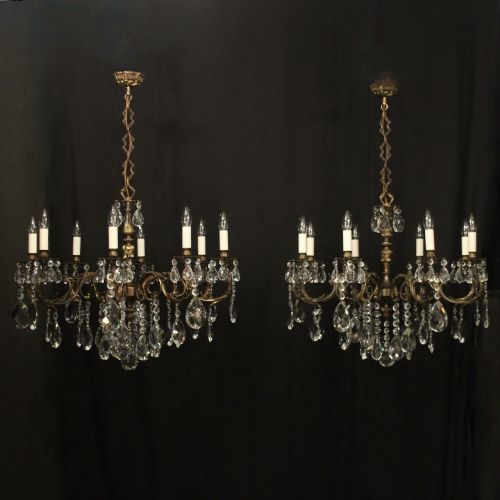
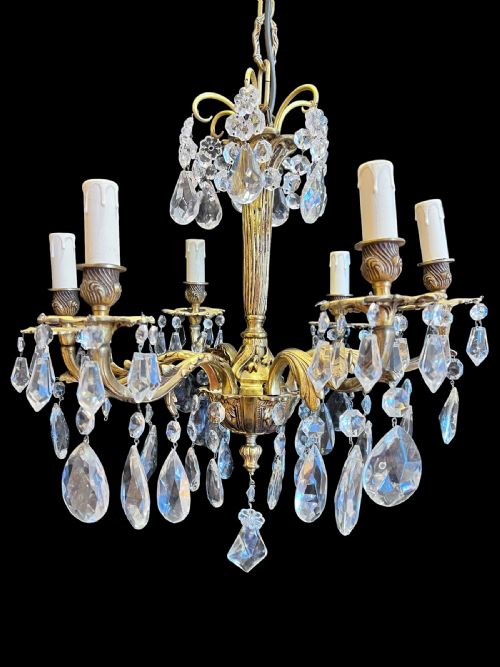
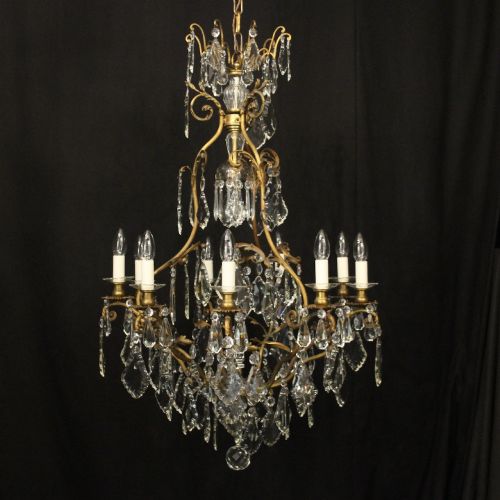
Cut Glass Fixtures
Cut glass fixtures bring serious architectural presence to a room, catching the daylight and throwing warm candlelight or electric glow across the ceiling.
Cut Glass Fixtures
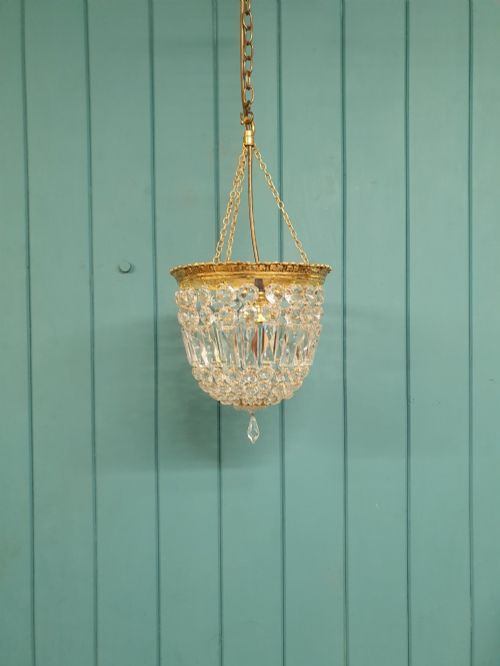
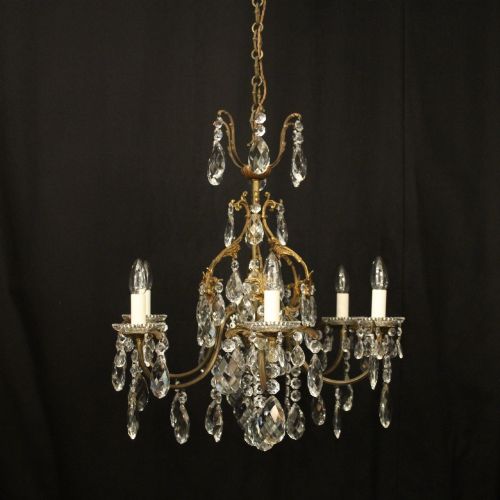
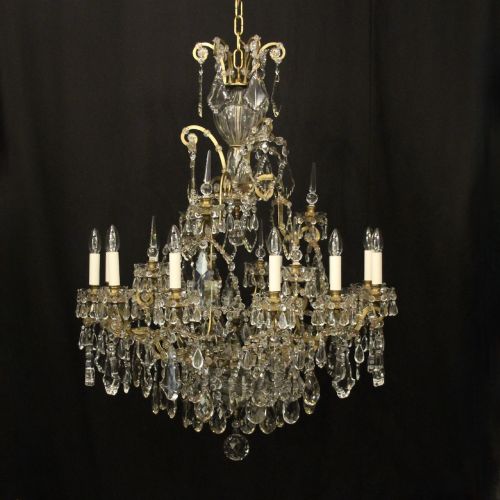
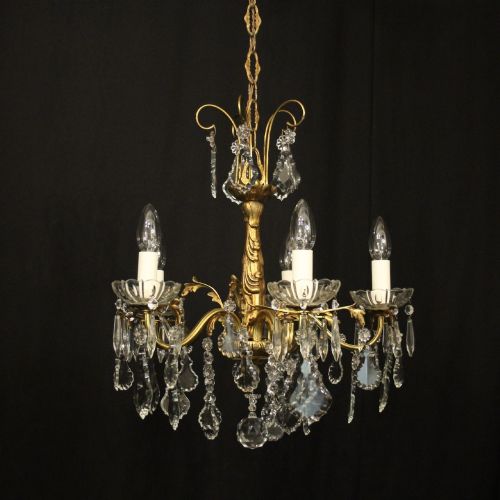
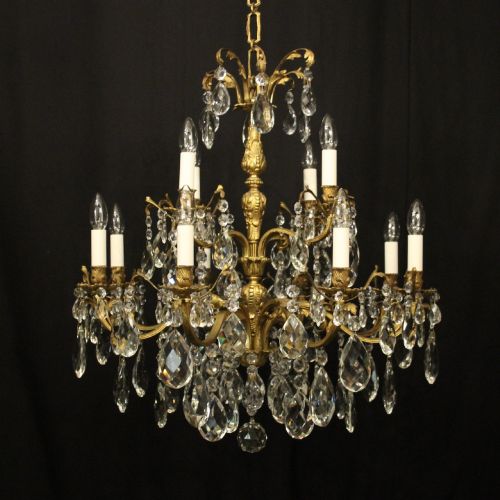
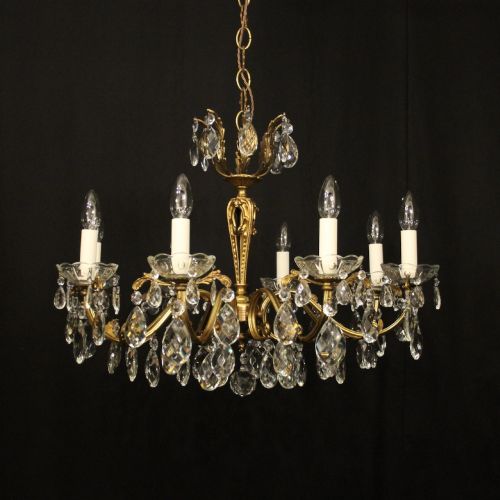
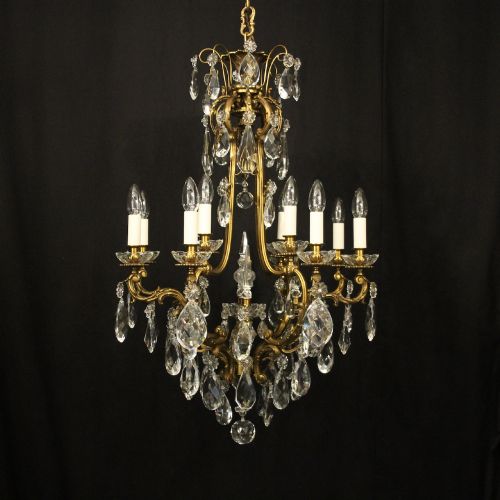
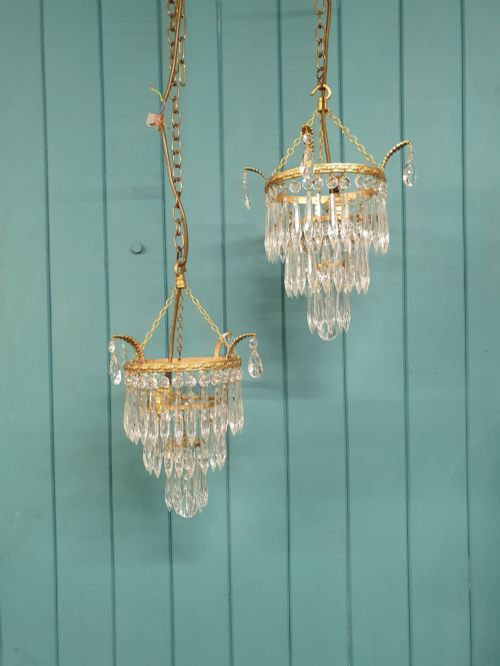
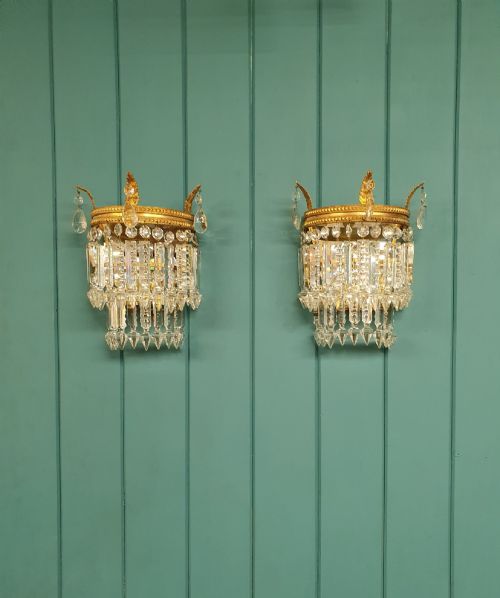
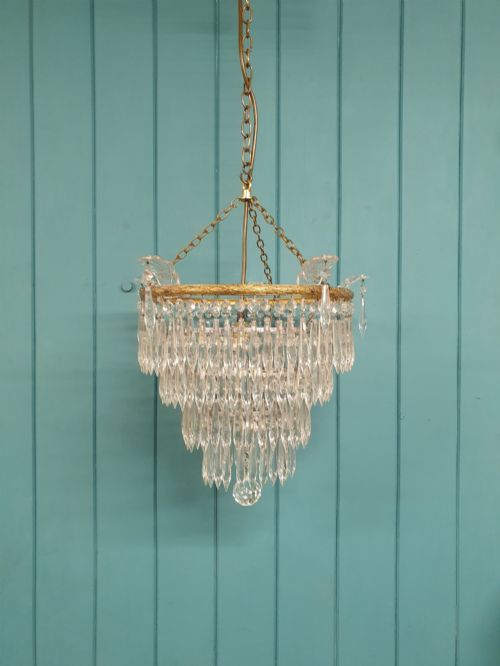
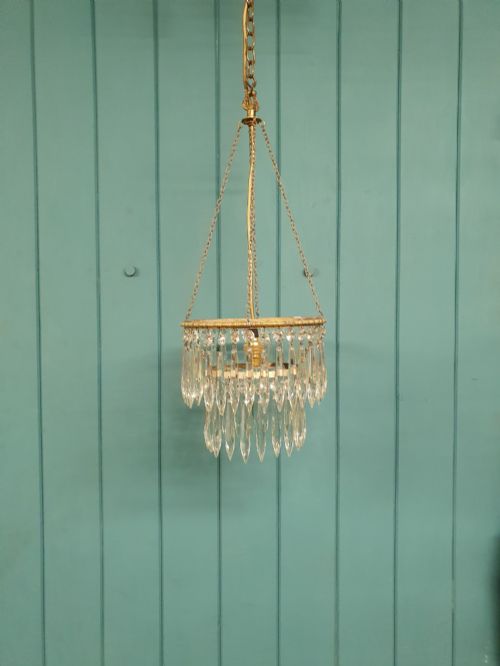
Cut glass fixtures span chandeliers, ceiling lights, wall lights, pendant lights, table lamps, and hall lanterns designed to illuminate grand spaces. You will encounter numerous French and Italian examples alongside English hallway pieces, dating from the nineteenth century through the 1950s.
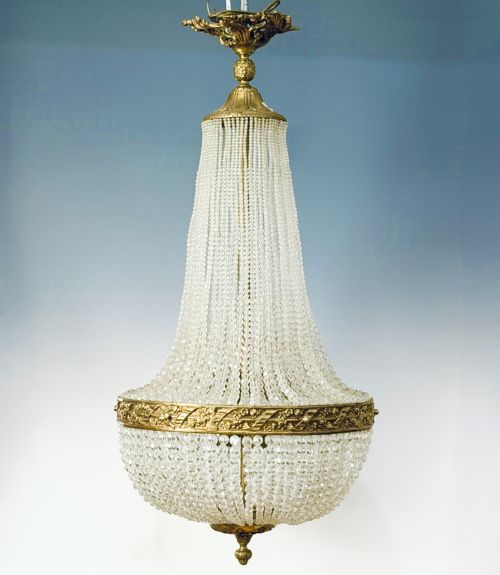
The selection ranges from multi-tiered spike chandeliers and birdcage designs to restrained Edwardian plafonniers and elaborate tent-and-bag configurations. Smaller scaled items like compact spike chandeliers sit alongside twenty-five light ballroom centerpieces.
Many of these lighting pieces lean into specific aesthetic revivals, displaying French Rococo curves, Empire formality, or the clean geometric lines characteristic of the Art Deco period.
Construction and Materials
Makers built the structural frames of these fixtures from brass, bronze, gilt metal, and spelter, often applying gilding or silvering to the metalwork. Cut glass and crystal components hung from these armatures using wire pins, creating articulated cascades of lustres, prisms, and beads.
Glass elements underwent physical cutting and facet polishing by hand to maximise light refraction, while metal frames incorporated cast decorative elements such as lion masks, cherubs, and leaf motifs.
Cut Glass Fixtures Retail Price Guide 2026
Typical asking prices for cut glass fixtures among the pieces listed under this phrase on Sellingantiques today, from the lower quarter to the upper quarter. They describe what is for sale here now, not the wider market.
Metalwork choices on this platform include solid brass, gilt bronze, silvered finishes, and occasional gilt spelter framing porcelain floral details.
Judging Quality
The sophistication of the glass cutting dictates visual success, with sharp, crisp facets throwing clearer light than soft or pressed alternatives. Heavier bronze or brass castings provide superior structural integrity compared to lighter stamped metal frames.
Cohesion within the hanging elements separates standard pieces from exceptional ones, particularly when every drop, bead, and lustre matches in period, metal pin type, and glass clarity.
The Cut Glass Fixtures Glossary
- Plafonnier
- A ceiling light fixture that sits flush or very close to the ceiling surface rather than hanging on a chain or drop. These often feature decorative glass bowls held in metal frames.
- Lustre
- A cut glass pendant drop hung from the arms or crown of a chandelier to refract light. They come in various shapes including spears, teardrops, and oak leaves.
- Tent and bag chandelier
- A lighting design featuring an upper canopy of strings of beads forming a tent shape, dropping down into a bag-like gathering of crystal beneath.
- Ormolu
- Gilt bronze, where a layer of gold is applied to a bronze base using mercury amalgamation or electrochemical methods. This technique creates a rich, matte golden surface.
- Spike chandelier
- A compact style of hanging light dominated by a central vertical glass spike surrounded by radiating arms and crystal drops.
Cut Glass Fixtures: Frequently Asked Questions
How do I hang a heavy crystal chandelier?
These fixtures require direct attachment to ceiling joists using a heavy-duty steel hook and appropriate electrical boxes capable of supporting the full weight of the metal and glass.
Professional installation is strongly recommended, especially for larger multi-tiered pieces containing extensive bronze and crystal components.
How do I clean cut glass fixtures?
Regular dusting with a feather duster keeps the crystal clear without requiring the removal of every individual drop and hanging element. Deep cleaning involves washing individual glass pieces in warm soapy water and drying them by hand before rehanging.
Harsh chemical cleaners should be avoided to protect the gilded or bronzed surfaces of the metal frames.
What is the difference between glass and crystal?
Crystal contains lead oxide, which increases the weight, clarity, and refractive index of the material compared to standard glass. This high lead content allows crystal lustres to disperse light into spectral colours more effectively.
Many antique lighting descriptions use the terms interchangeably based on general trade custom.