
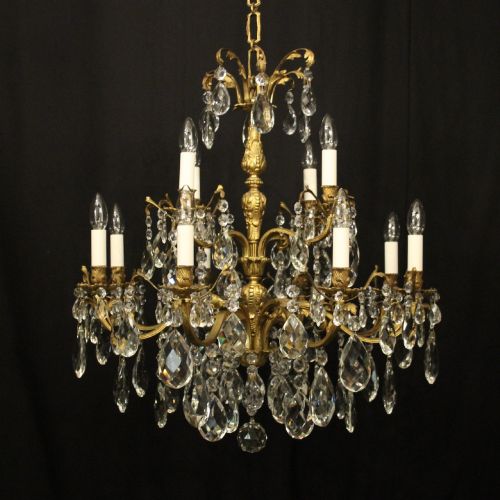
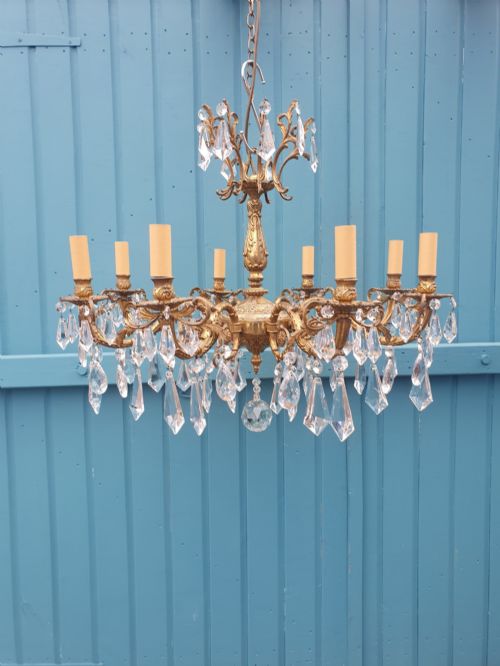
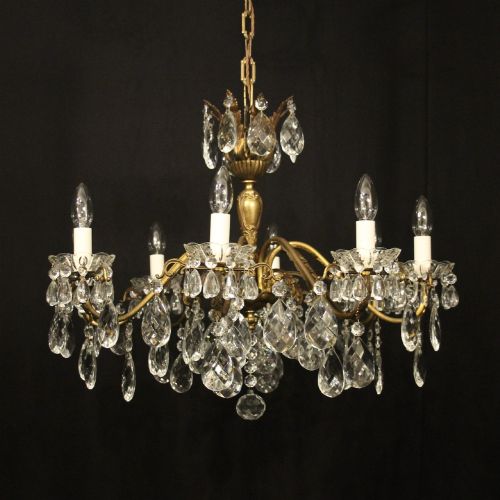
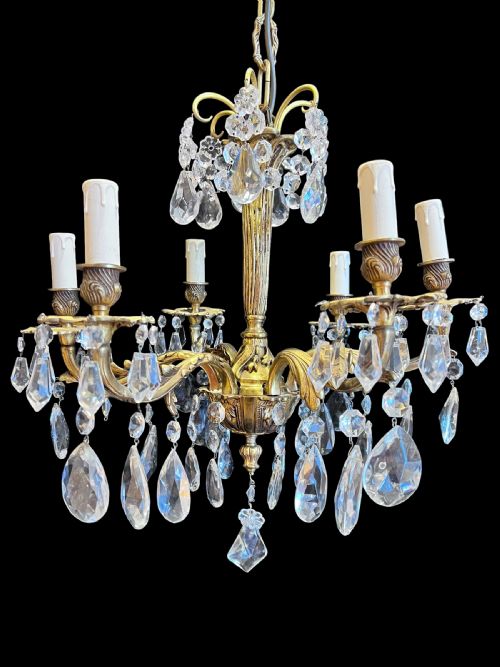

Cut Glass Ceiling Pendant
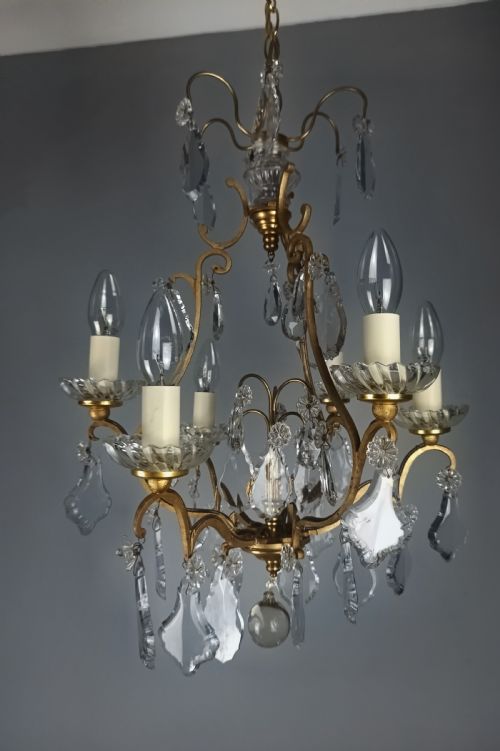
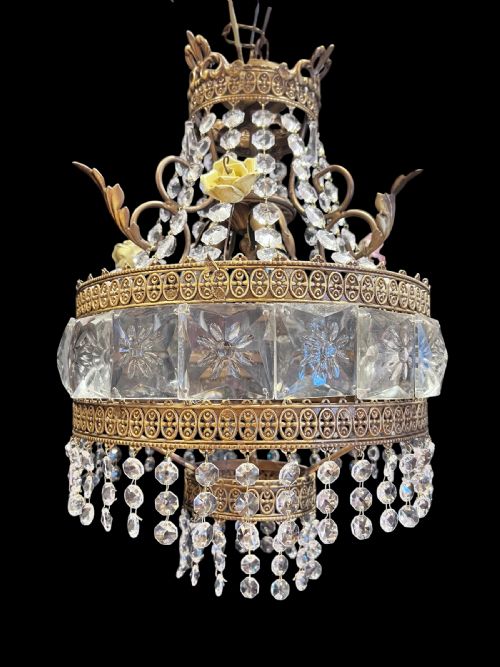
A cut glass ceiling pendant brings light down through faceted crystal and brass, offering a focused source of illumination for halls and smaller rooms.
Cut Glass Ceiling Pendant
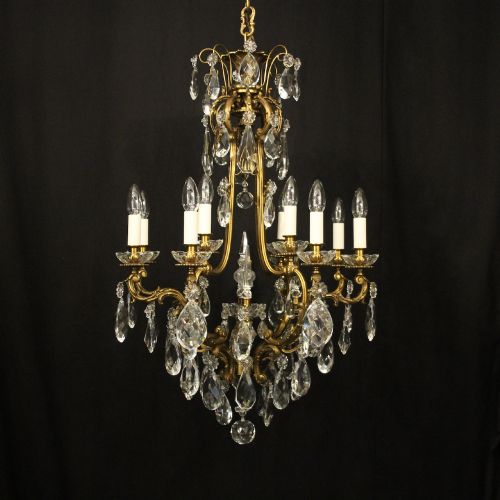
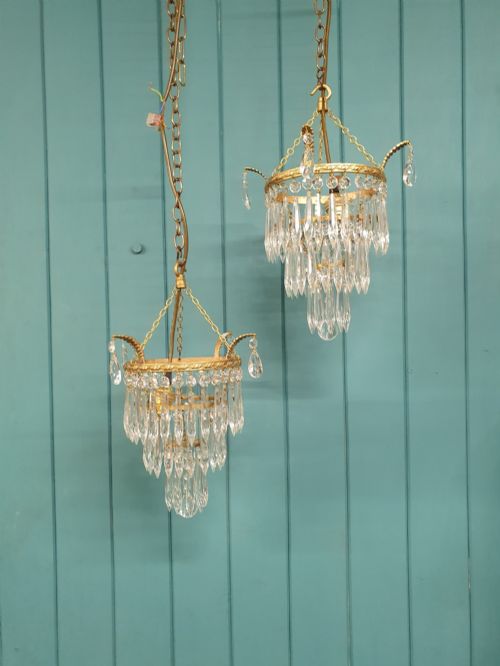
A cut glass ceiling pendant is a hanging light fixture that suspends a faceted shade or glass body from the ceiling, diffusing light across a space. When searching for a cut glass ceiling pendant, buyers encounter single shade designs from the Edwardian period as well as brass mounted variants dating from the nineteenth century to the 1930s.
These fixtures serve as functional illumination in hallways, corridors and compact rooms where a full chandelier proves too grand. The selection includes simple brass galleries holding patterned glass bowls alongside early twentieth century styles equipped with original shades and metal mounts.
How They Were Made
Maker workshops combined heavy cast brass, coppered brass and silver plated metal for the structural frames, galleries and mountings. These metal components secure the glass bodies, which feature hand cut facets designed to catch and refract light from the internal bulbs.
Artisans formed the shades and bowls from clear cut glass and crystal, sometimes incorporating frosted sections or decorative patterns. The assembly relies on threaded rods, screws and metal fitments to hold the heavy glass securely beneath a ceiling canopy.
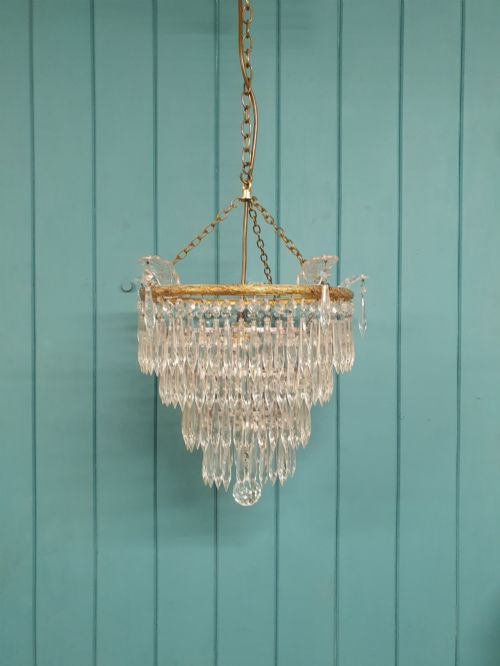
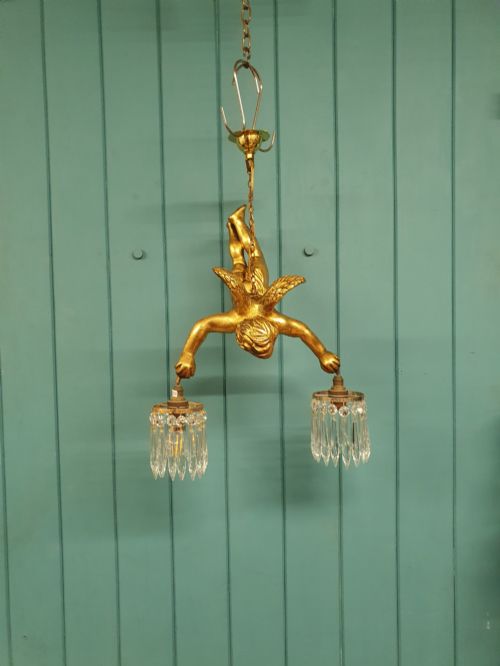
Some Edwardian brass pendants come complete with flying cherubs holding tight to the crystal spikes above.
What Varies in Quality
The standard of cutting on the glass surface separates standard production from finer examples, with deeper, crisper facets producing sharper refraction. Heavier gauge brass and bronze in the galleries and mounting hardware also indicate superior craftsmanship.
The presence of original fittings, matching metal patination and intact structural components distinguishes well preserved pieces from those with replacement parts or altered suspension systems.
S FAUER
The Cut Glass Ceiling Pendant Glossary
- Gallery
- The metal ring or collar that grips the top rim of a glass shade and connects it to the suspension rod or chain. Galleries appear in brass, coppered brass and silver plated finishes.
- Lustre
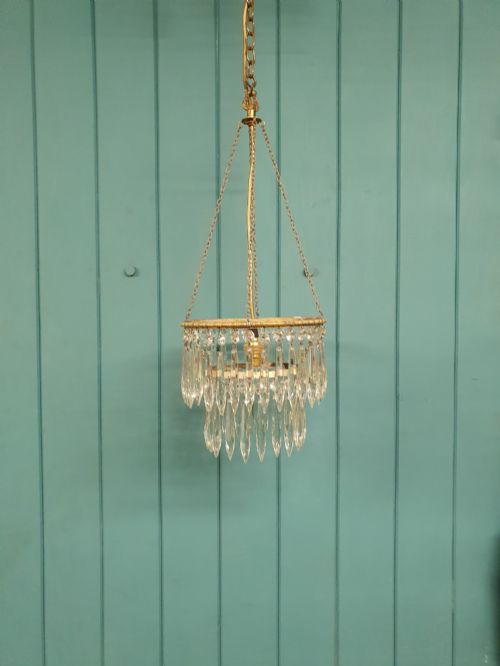
- A small cut crystal pendant drop suspended from a chandelier or light fixture to increase light reflection. These elements hang in rows or clusters around the metal frame.
- Tent and bag chandelier
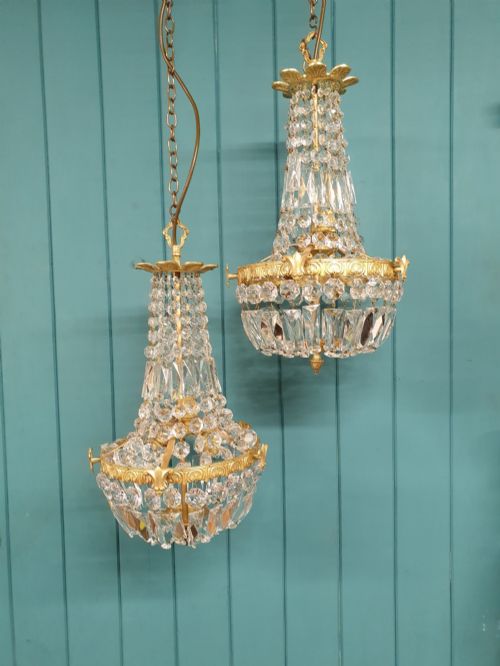
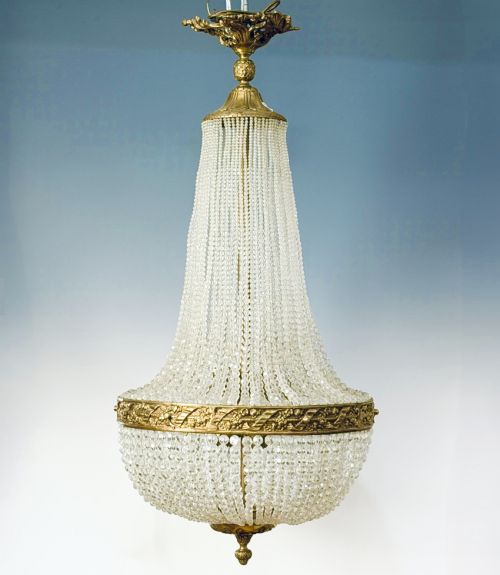
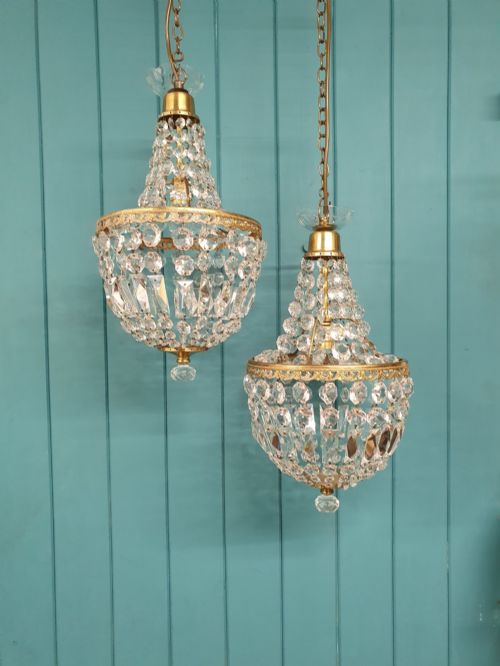
- A lighting form featuring strings of crystal beads arranged in a triangular tent shape above a lower basket or bag of glass drops. This style emerged during the eighteenth century and continued through later revival periods.
- Spike chandelier
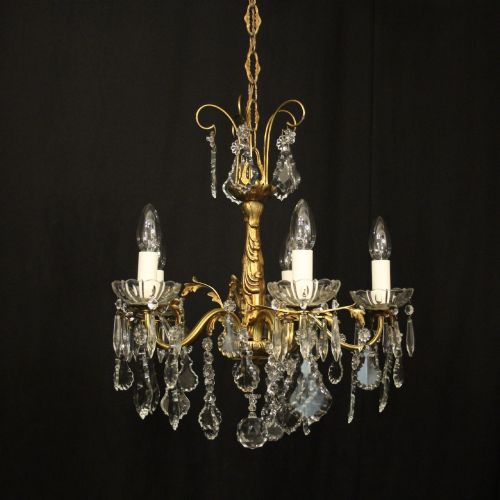
- A vertical lighting design characterised by a central spire or spike decorated with glass plates and crystal drops. These fixtures often feature multiple small light arms radiating outwards.
Cut Glass Ceiling Pendant: Frequently Asked Questions
How do I hang a cut glass ceiling pendant?
These fixtures suspend from the ceiling using a matching chain, cord or rigid brass rod attached to a ceiling canopy. Professional installation ensures the electrical wiring supports the weight of the brass and glass components safely.
The height depends on the ceiling clearance of your room, allowing enough space for passage underneath while positioning the shade to illuminate the floor effectively.
What rooms suit a cut glass ceiling pendant?
Pendant lights work well in hallways, entryways, bedrooms and smaller reception rooms where direct downlighting meets practical needs. Their compact footprint provides adequate illumination without dominating the overhead space.
Matching pairs offer a balanced lighting arrangement along long corridors or across larger open areas.
How do I clean an antique glass pendant?
Regular dusting with a soft cloth keeps the faceted surfaces clear of debris. For a deeper clean, remove the glass shade from its metal gallery and wash it in warm soapy water before drying thoroughly.
Avoid harsh abrasives on brass or silver plated mounts to preserve the original metal finish and patina.
Are original shades common on these pendants?
Many surviving pieces retain their original cut glass or frosted shades paired with period brass galleries. Listings often note whether the glass bowl or shade matches the age of the metal frame.
Original components provide a cohesive appearance that reflects the manufacturing standards of the Edwardian era and early twentieth century.