
Cut Crystal Glass
When you search for cut crystal glass, you encounter brilliant decanters, chandeliers and tableware spanning the Victorian era to Art Deco.
Cut Crystal Glass
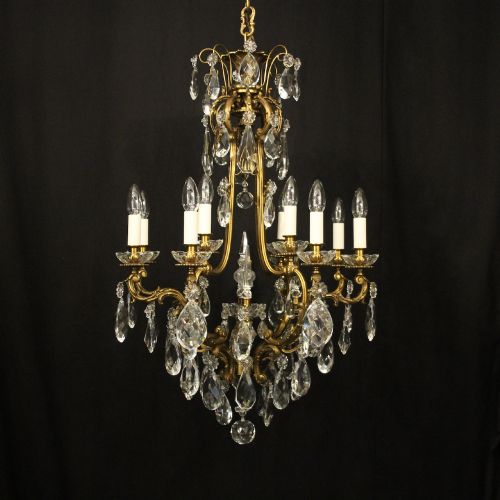
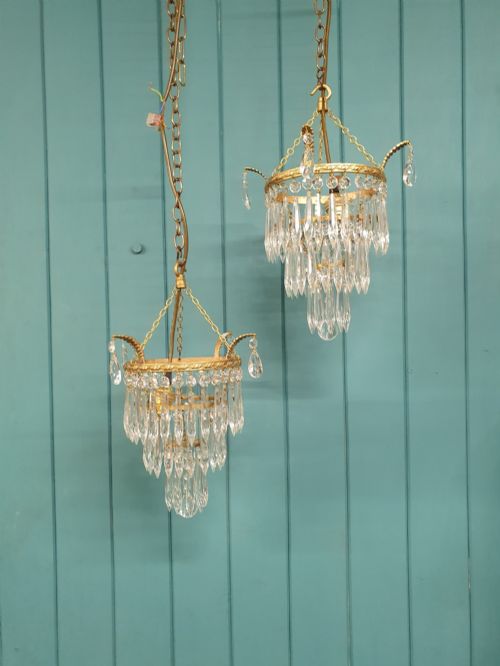
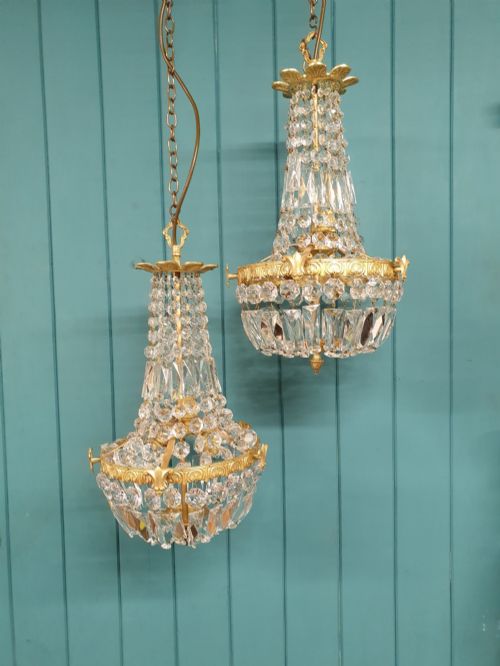
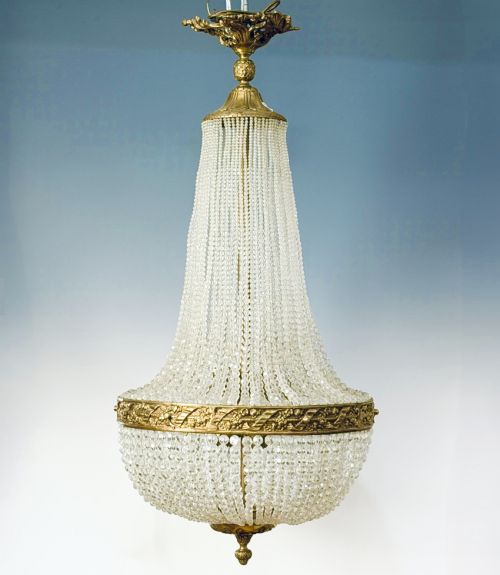
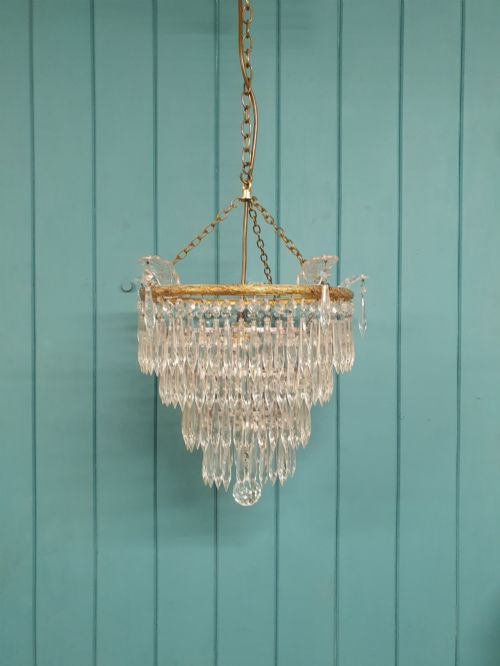
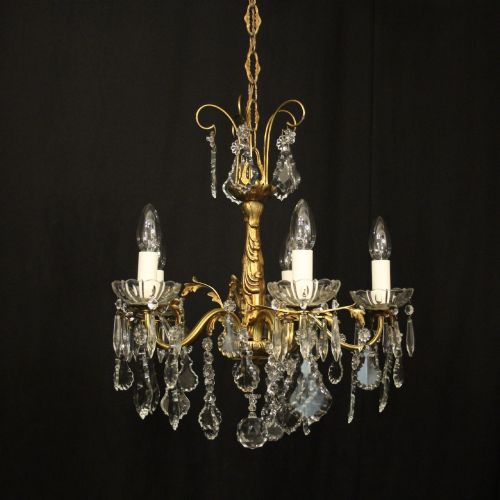
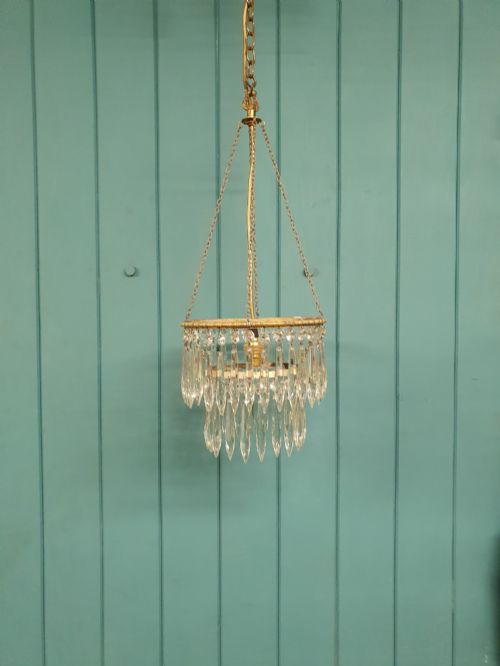
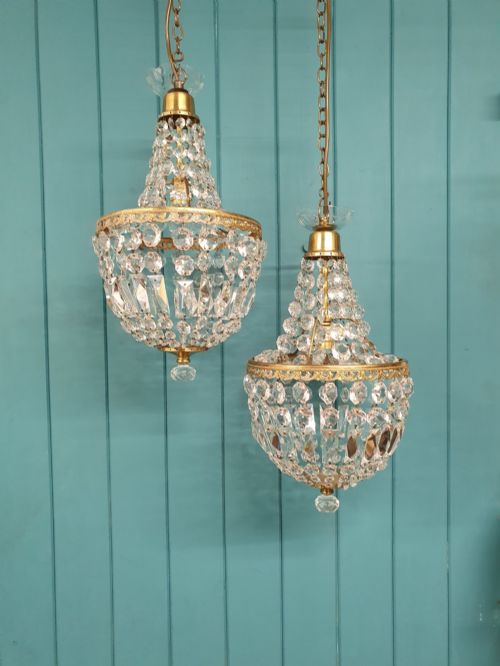
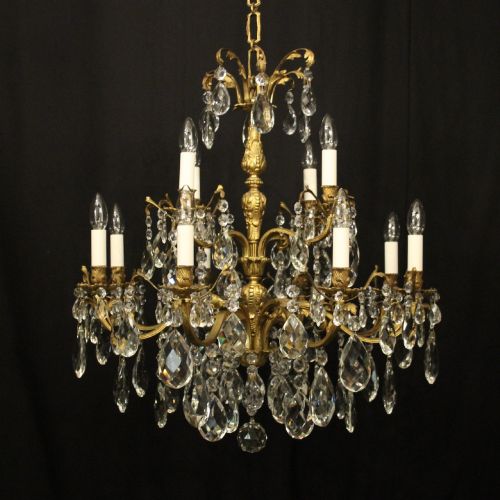
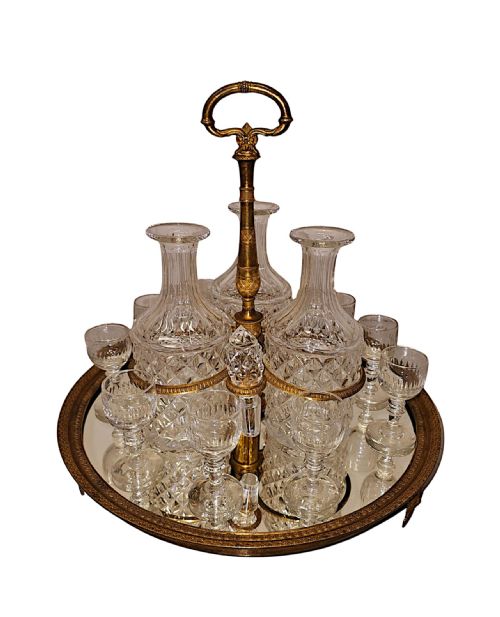
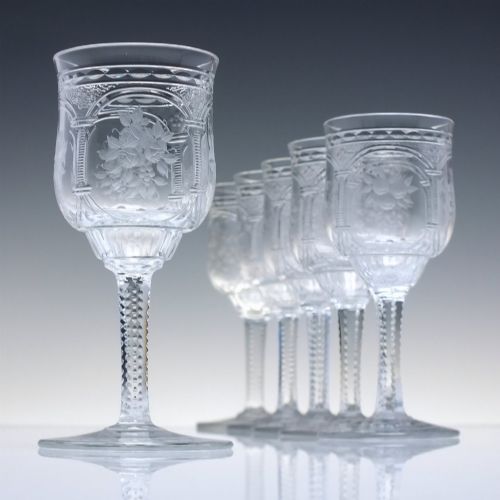
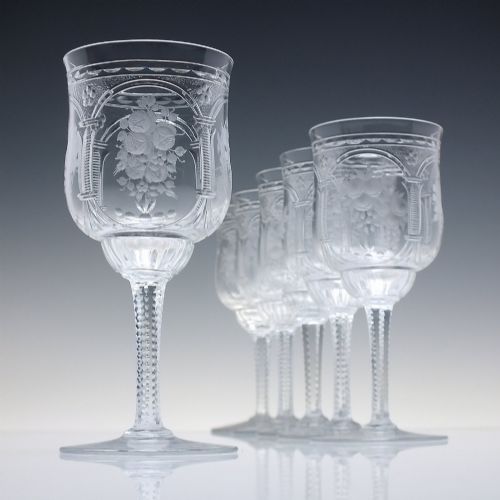
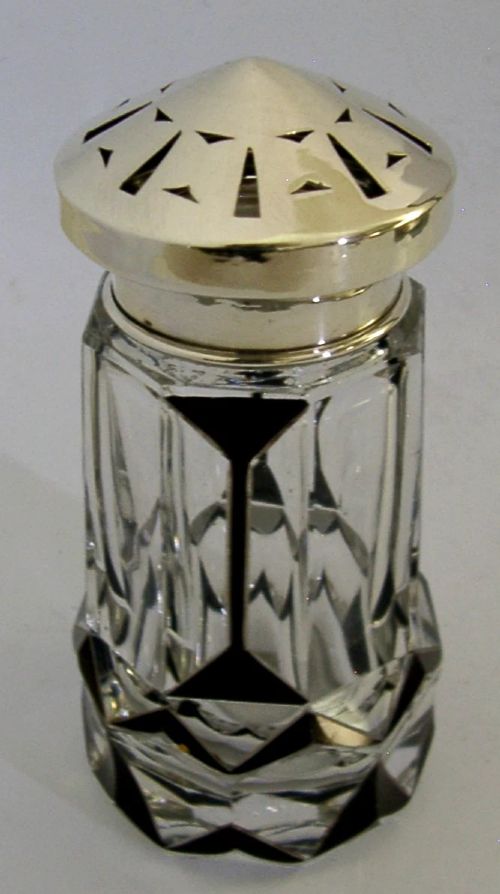
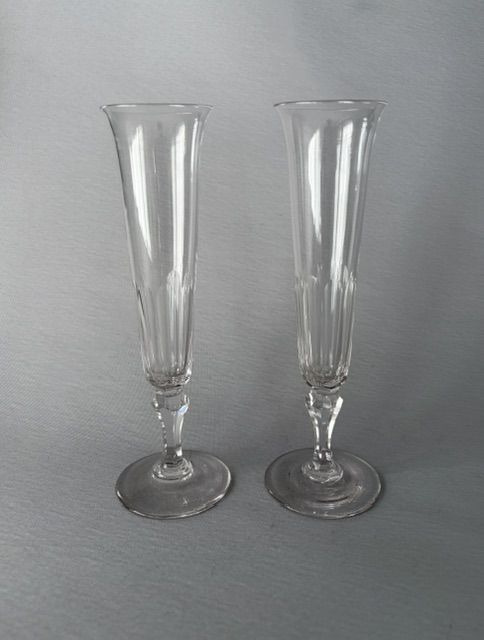
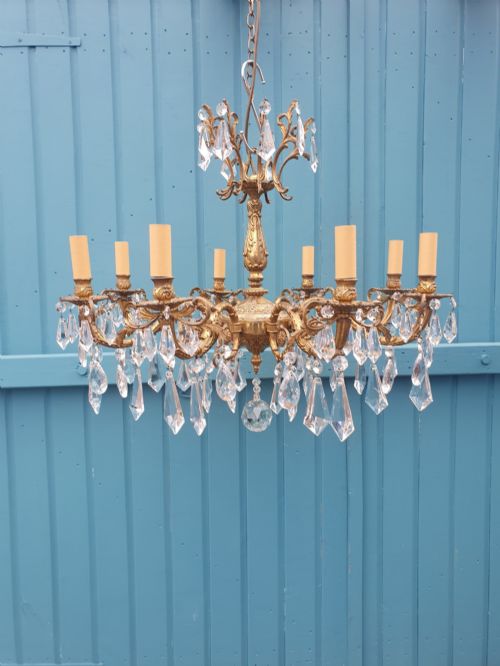
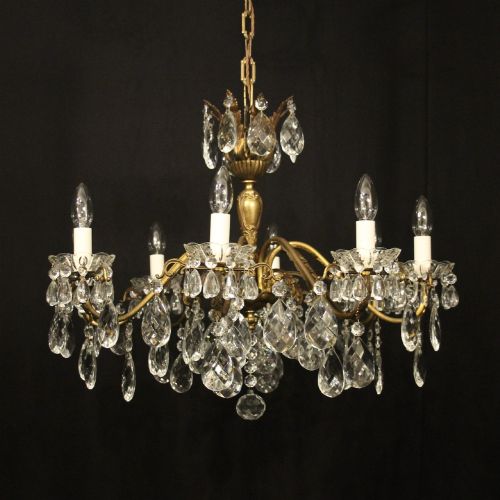
Cut crystal glass encompasses a diverse array of items designed for both utility and display, ranging from grand chandeliers and wall lights to functional decanters, jugs, rummers and wine glasses.
Buyers seeking cut crystal glass frequently encounter Victorian and Edwardian drinking vessels alongside early twentieth century lighting fixtures and decorative scent bottles.
The selection bridges practical dining accessories such as finger bowls and ice buckets with ornamental objects including lustres, vases and trinket boxes.
Materials and Techniques
The pieces combine lead crystal, glass and cut crystal with mounts and structures fashioned from sterling silver, brass, gilt bronze and standard glass.
Makers utilised mechanical and hand-cutting techniques to carve facets, flutes, pillars and prisms into the material, creating deep refractive patterns.
Additional ornamentation involved silver collars, engraved surfaces, porcelain floral elements and overlay glass applied to clear or coloured bodies.
Materials span lead crystal, cut glass, sterling silver, brass, gilt bronze and porcelain flowers.
Factors of Quality
Quality rests on the crispness and depth of the wheel-cut facets, where sharper, more precise geometric cutting yields superior light refraction compared to soft or shallow incisions.
The integration of precious metal mounts, such as hallmarked sterling silver collars or heavy cast brass and gilt bronze frames, distinguishes finer decorative and functional items from standard production.
Weight, clarity of the metal, and the harmony between the glass body and supplementary elements like porcelain flowers or coloured overlays further divide the standard range from exceptional examples.
Stevens and Williams·Baccarat·Saint Louis·Val Saint Lambert·Moser·The Boots Company
The Cut Crystal Glass Glossary
- Lead crystal
- Glass containing lead oxide, which increases weight, clarity and the dispersion of light through cut facets.
- Rummer
- A large, heavy drinking glass popular in the nineteenth century, typically utilised for ale, wine or punch.
- Lustre
- A tabletop decorative ornament hung with cut glass prisms or drops that catch ambient light.
- Tantalus
- A locking beverage stand holding decanters securely while displaying their contents through a framework.
- Prism
- A cut glass pendant or hanging component suspended from chandeliers, wall lights and lustres to amplify illumination.
Cut Crystal Glass: Frequently Asked Questions
Are these decanters safe for modern wine?
Most antique decanters are suitable for serving wine, provided the interior is thoroughly cleaned and inspected for residue. Lead crystal items should not be used to store liquids for extended periods.
Check the stopper fit and verify that the glass remains free from internal clouding before use.
How do I date an antique chandelier?
Examine the metalwork, wiring channels, and the style of the glass drops and prisms to determine the likely manufacturing period. Edwardian and Victorian fixtures often feature heavy brass frames and hand-cut drops.
Art Deco examples introduce cleaner geometric lines and different electrical configurations compared to earlier gas or oil conversions.
What is the difference between glass and lead crystal?
Lead crystal contains a substantial proportion of lead oxide, which gives the material greater weight, a resonant ring when struck, and higher refractive index. Standard glass lacks these properties and appears lighter.
Cut facets on lead crystal scatter light into distinct prismatic colours much more vividly than ordinary moulded glass.