

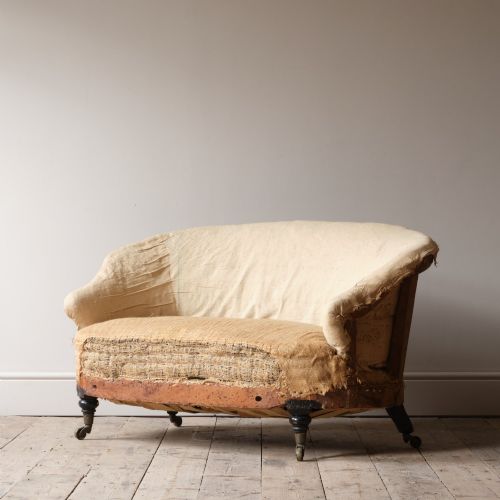



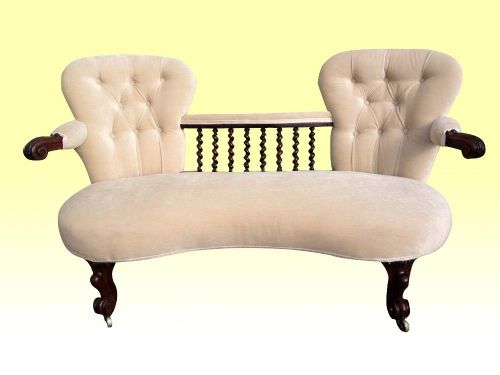

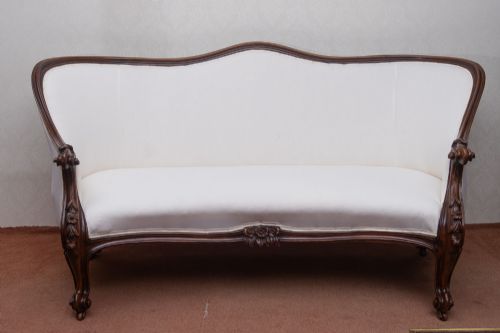
Curved Victorian Couch
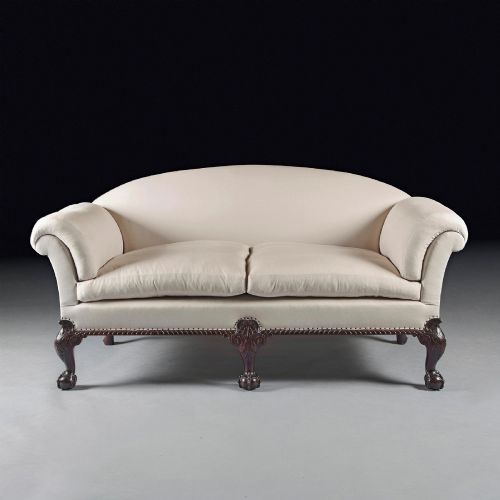
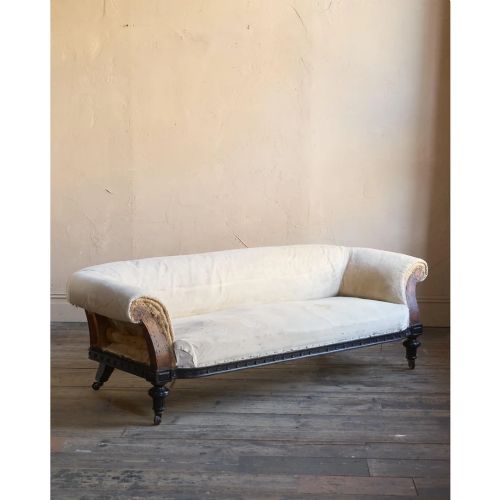
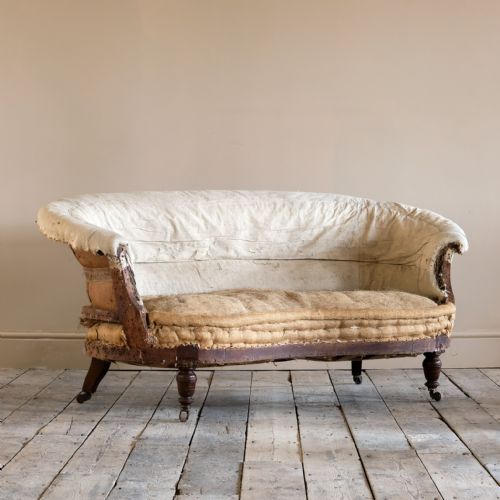
These curved victorian couch examples bring sweeping lines and deep upholstery to any room, offering a seat designed for posture and presence.
Curved Victorian Couch
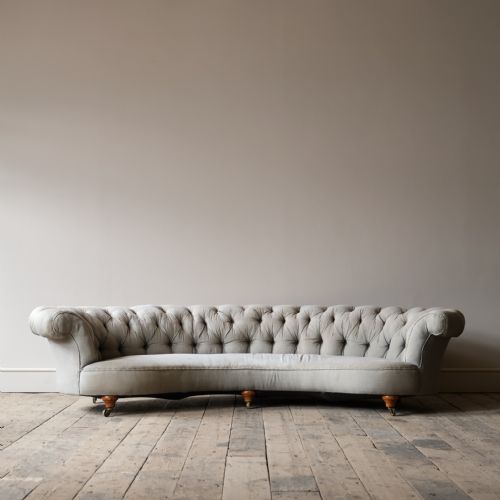
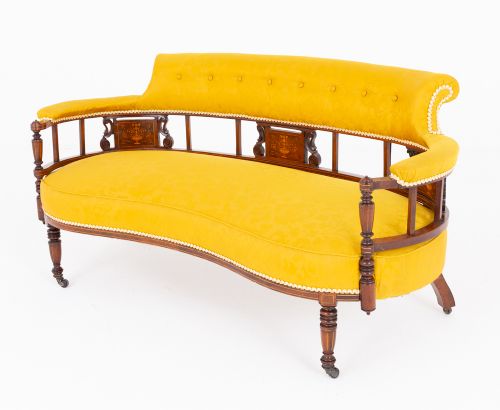
When you search for a curved victorian couch, you are looking at nineteenth-century seating that breaks away from straight lines, often taking the form of a settee, a crescent chesterfield, or a kidney-shaped chaise longue. These pieces emerge across the nineteenth century, with dates spanning from eighteen fifty to nineteen hundred, showing the shift in Victorian seating from formal rigidity to enveloping curves.
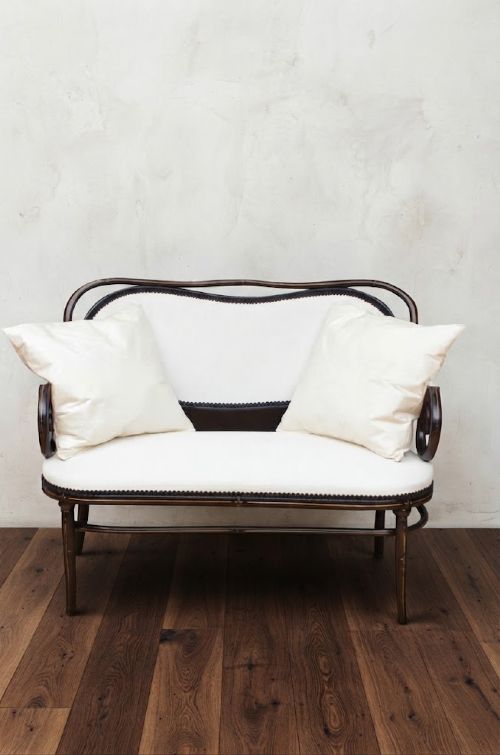
The versions you are most likely to meet on this page include mahogany and rosewood frames paired with leather or velvet upholstery, alongside bentwood and ebonised frames from the Aesthetic Movement. They appear as sofas, settees, and canapes, reflecting both English workshops and French provincial influences.
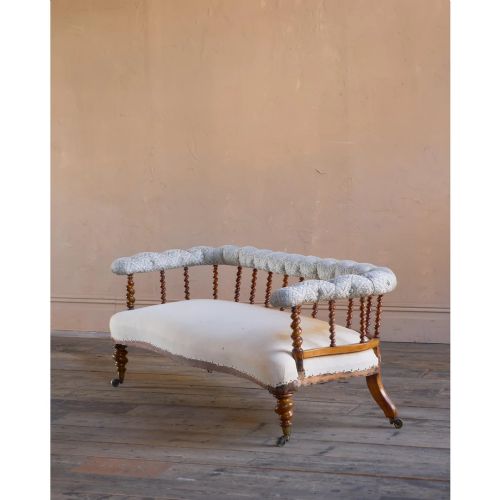
Makers such as Howard and Sons, C. Hindley and Sons, and Hampton and Sons shape this category, producing everything from spindle-back salon sofas to deep-buttoned leather chesterfields. The forms range from small, intimate settees to large library sofas designed for grand nineteenth-century interiors.
What varies in quality
The integrity of the timber frame and the precision of the joinery set the baseline for quality, distinguishing sturdy rosewood and mahogany structures from more fragile builds. Maker attribution plays a significant role, as pieces bearing the mark of workshops like Howard and Sons or C. Hindley and Sons demonstrate superior craftsmanship in their carving and proportions.
The execution of the upholstery work, from the regularity of the deep buttoning to the selection of leather or velvet, determines the visual and tactile success of the piece. Surviving original details, such as brass castors and specific frame styling like ball and claw feet, elevate the standing of an individual couch.
Curved Victorian Couch Retail Price Guide 2026
Typical asking prices for curved victorian couch among the pieces listed under this phrase on Sellingantiques today, from the lower quarter to the upper quarter. They describe what is for sale here now, not the wider market.
Victorian reading habits required furniture that could accommodate elaborate skirts, leading to seats curved precisely for comfortable lounging.
Thonet·Howard and Sons·C. Hindley and Sons·Hampton and Sons
The Curved Victorian Couch Glossary
- Chesterfield
- A deep-buttoned sofa, traditionally upholstered in leather, with arms and back of the same height. This form provides a formal yet comfortable seat characteristic of nineteenth-century reception rooms.
- Canape
- An ornamental French-style sofa with an exposed wooden frame and upholstered seat and back. It brings a lighter, more decorative aesthetic to Victorian seating.
- Bentwood
- Wood steamed and bent into curved shapes, famously utilised by Thonet. This technique allows for continuous, flowing lines without traditional joinery.
- Button back
- An upholstery style where depressions are formed in the padding by stitches or buttons pulled tight. It secures the stuffing and creates a textured, geometric pattern across the surface.
- Ebonised
- Timber treated with a dark finish to resemble ebony. This treatment was popular during the Aesthetic Movement to create stark, contrasting visual effects.
Curved Victorian Couch: Frequently Asked Questions
How do I identify a Victorian curved sofa?
Look at the combination of timber framing, such as mahogany or rosewood, and the presence of nineteenth-century upholstery techniques like deep buttoning. The silhouettes often follow crescent, kidney, or serpentine lines.
Examine the construction under the frame and check for maker stamps or stylistic markers like ball and claw feet or ebonised bentwood.
Were these sofas used in bedrooms or parlours?
Nineteenth-century curved couches served multiple rooms, appearing in formal drawing rooms, libraries, and private boudoirs as chaise longues or salon sofas. Their shapes allowed them to fit into window bays or conversational groupings.
Larger leather chesterfields occupied studies and smoking rooms, while lighter rosewood and velvet settees suited reception spaces.
How do I care for leather and velvet upholstery?
Leather requires regular conditioning to maintain its suppleness and prevent cracking, keeping it away from direct heat sources. Velvet benefits from gentle brushing to preserve the pile and avoid crushing.
Professional cleaning is advisable for antique textiles to protect the underlying nineteenth-century padding and horsehair stuffing.