




Curved Mahogany Nightstand
These curved mahogany nightstand pieces bring genuine 18th-century, Regency, and Art Deco craftsmanship to the bedroom.
Curved Mahogany Nightstand
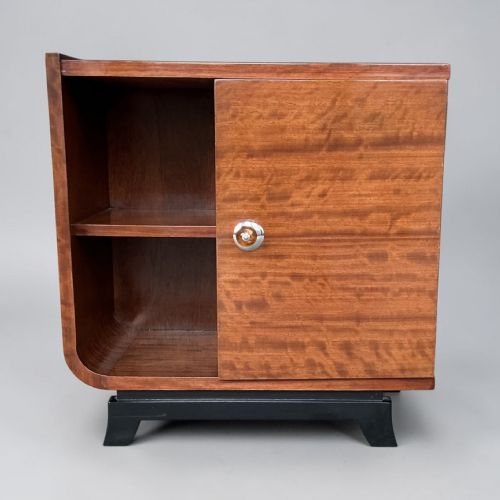
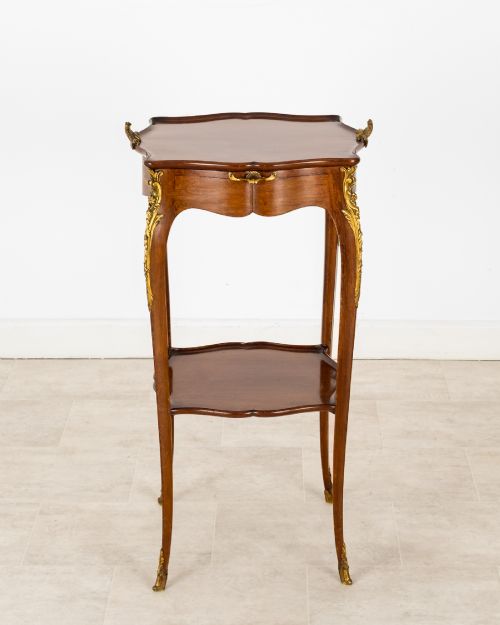
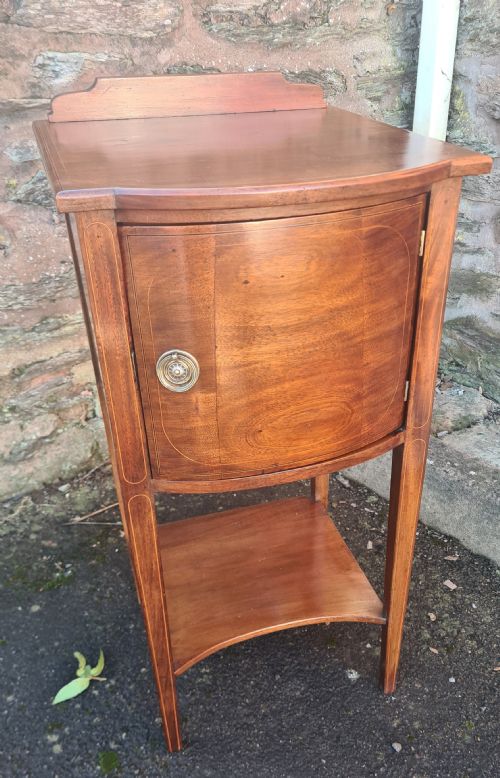
Buyers will encounter variations including George III concave models, French Art Deco side cabinets, and inlaid bedside tables. Makers range from Gillows to François Linke, utilising materials like mahogany, brass, and ormolu.
The selection encompasses Georgian styles alongside Louis XV Revival and Sheraton Revival designs. Bedside tables and side cabinets dominate the object types currently represented.
How they were made
The construction relies heavily on solid mahogany and mahogany veneers shaped into bowfront, concave, and oval profiles. Cabinet makers employed precision woodworking techniques to achieve these distinct curved silhouettes.
Metal mounts in brass, ormolu, and gilt bronze provide structural accents and decorative detail. Inlay work in satinwood and ebonised wood frequently enhances the primary mahogany surfaces.
Curved Mahogany Nightstand Retail Price Guide 2026
Typical asking prices for curved mahogany nightstand among the pieces listed under this phrase on Sellingantiques today, from the lower quarter to the upper quarter. They describe what is for sale here now, not the wider market.
Even the smallest bedside cabinet hides clever curved drawers designed to hug tight corners without snagging silk nightclothes.
What varies in quality
The sophistication of the timber selection and the precision of the curved joinery distinguish standard pieces from superior examples. Master workshops like Gillows demonstrate exceptional mastery in shaping wood to tight concave and bowfront radiuses.
The refinement of ancillary materials such as hand-chased ormolu mounts and delicate satinwood inlay dictates the standing of an individual piece. Attribution to notable makers like François Linke elevates the artisanal significance of the work.
François Linke·Gillows
The Curved Mahogany Nightstand Glossary
- Bowfront
- A convex curving front facade that swells outward. This shape requires advanced woodworking skill to build.
- Ormolu
- Gilded bronze ornamentation applied to furniture. It provides a bright metallic contrast to dark mahogany.
- Pembroke table
- A small table with hinged drop leaves on either side. These compact tables often feature slender legs and a single drawer.
- Satinwood
- A yellowish-amber hardwood utilised for contrasting inlay and veneering. It brings a bright decorative element to darker timbers.
Curved Mahogany Nightstand: Frequently Asked Questions
What is a curved mahogany nightstand used for?
These pieces provide bedside storage and display surfaces within the bedroom. Their enclosed cabinets and drawers hold personal items out of sight.
Historical examples also function as decorative accents that showcase fine cabinet making. Their compact footprints suit placement beside various bed heights.
How do I identify a Regency period piece?
Regency items often display classical architectural influences combined with dark mahogany surfaces. Look for restrained ornamentation and precise proportions typical of the early nineteenth century.
Maker attribution stamps or distinct brass mounts can also confirm this era of production.
Are these nightstands suitable for daily use?
Solid mahogany construction and sturdy joinery ensure these cabinets withstand everyday handling. Their durable timber surfaces respond well to routine dusting and careful polishing.
Interior compartments offer practical organisation for modern bedside essentials while maintaining period aesthetics.
What distinguishes Art Deco models from older styles?
Art Deco pieces from the 1930s feature streamlined geometric curves and smooth finishes. They abandon the ornate classical revival details seen in earlier Georgian or Victorian designs.
French examples frequently incorporate contrasting veneers like walnut to emphasise the modern silhouette.