




Crystal Glass Tumblers
These crystal glass tumblers are heavy drinking vessels spanning the Georgian, Victorian, and Art Deco periods, designed for everyday use.
Crystal Glass Tumblers
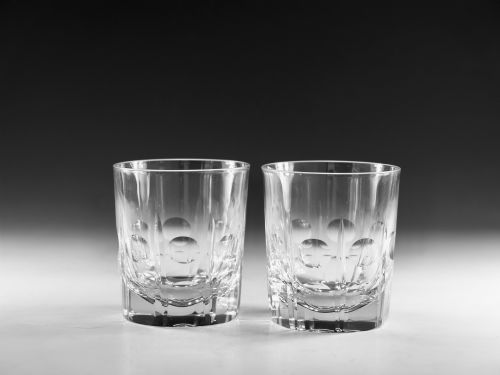
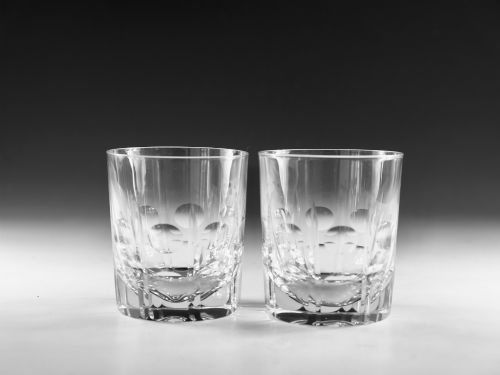
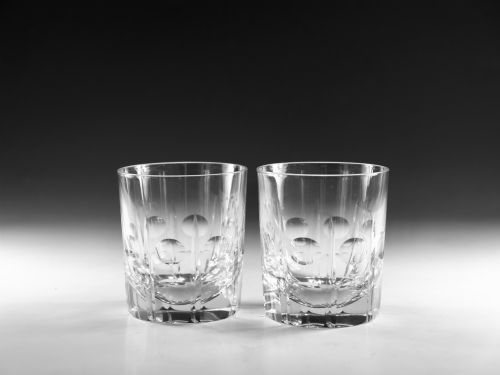
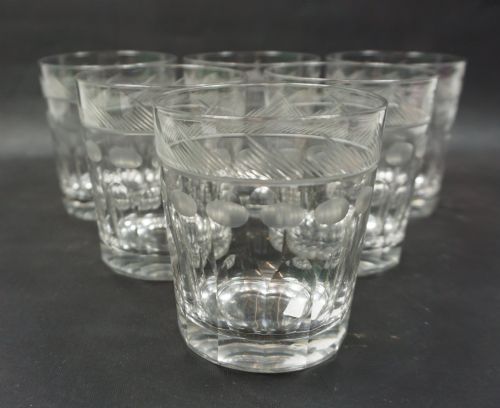
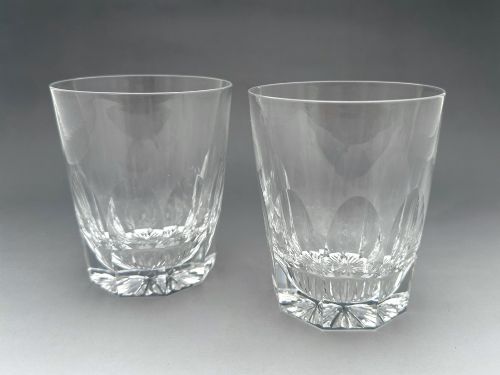
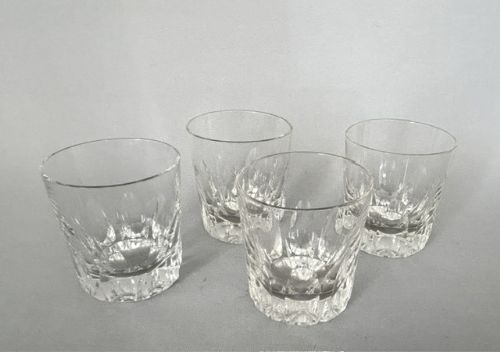
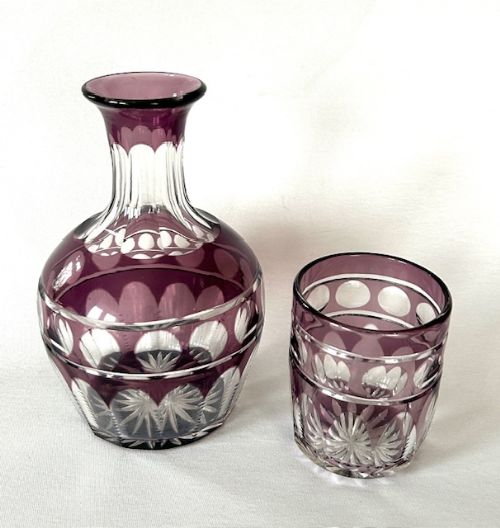
When you search for crystal glass tumblers, you encounter drinking vessels and beakers created across the Georgian, Victorian, and early twentieth-century periods. These items include pairs, larger whisky tumblers, sets of six, and sets with jugs originating from English and Bohemian makers.
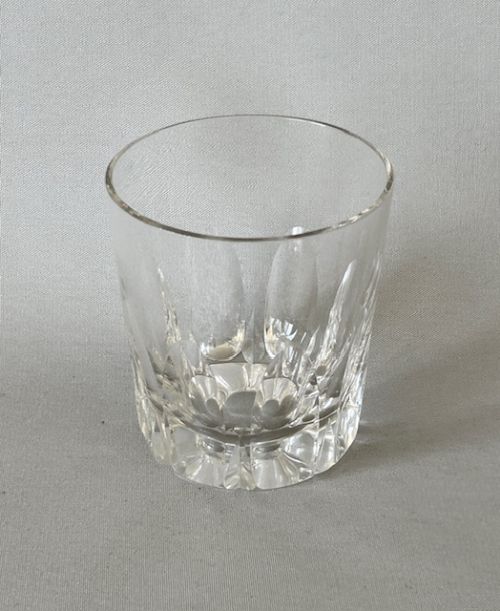
The most common form on this page is the English cut glass whisky tumbler from the Victorian and Edwardian eras, alongside Bohemian pieces. They serve as functional drinkware designed to hold spirits, water, or ale.
How they were made
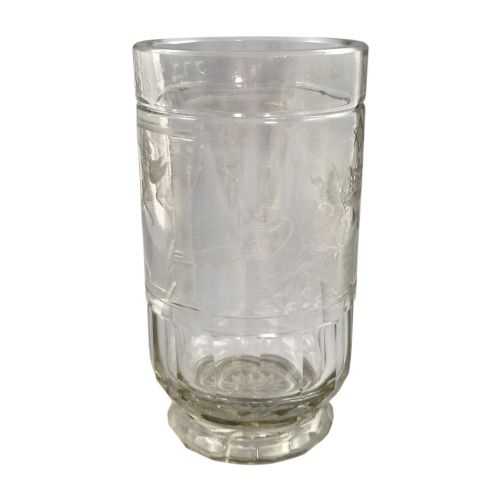
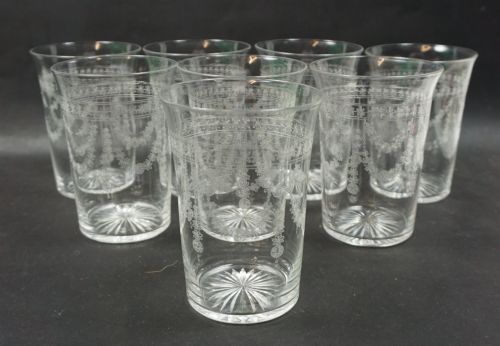
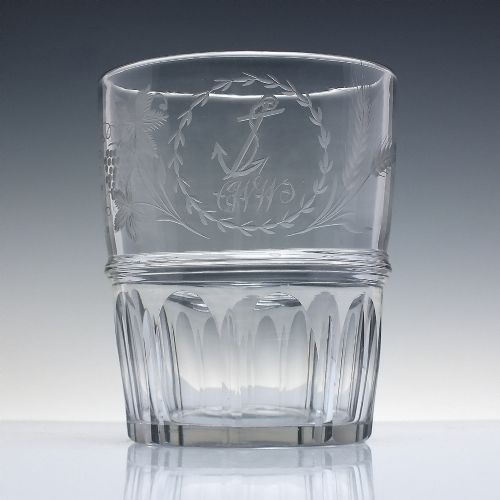
These vessels utilise lead crystal, clear glass, and lead glass formed into robust drinking shapes. Makers applied techniques such as wheel engraving, blaze cutting, and acid etching to create surface patterns.
Bohemian examples incorporate hand enamelling and engraving on ruby glass. English pieces rely heavily on deep wheel cutting to achieve weight and clarity in the material.
What varies in quality
The quality of crystal glass tumblers rests in the crispness of the wheel cutting and the depth of the engraving. Pieces with sharp, well-defined facets demonstrate superior craftsmanship compared to softer, worn surfaces.
Weight and balance also dictate standard, where heavier lead crystal vessels with clear ring and clean rims separate standard production from finer examples.
Karl Palda
The Crystal Glass Tumblers Glossary
- Lead Crystal
- Glass containing metallic oxides to increase weight, brilliance, and refractive index. This composition allows for deeper and sharper wheel cutting.
- Blaze Cut
- A cutting technique producing wide, flat facets that reflect light strongly. It appears frequently on Georgian and Regency drinking vessels.
- Acid Etched
- A method using acid to bite decorative patterns into the glass surface. This technique produces frosted designs contrasted against clear glass.
- Wheel Engraved
- A process where a glass vessel is held against rotating small wheels to carve detailed motifs. It requires steady hand control by the artisan.
Crystal Glass Tumblers: Frequently Asked Questions
What were crystal glass tumblers used for?
These vessels functioned primarily as drinking glasses for spirits, whisky, ale, and gin during social gatherings. Larger examples served communal purposes or held specific volumes of liquid at the table.
Over the decades, smaller versions accommodated cordials while robust whisky tumblers suited casual dining. Their heavy bases provided stability on wooden tables and sideboards.
How do I date an old tumbler?
Dating relies on observing the cutting style, glass tint, and manufacturing characteristics. Georgian and Regency pieces often show heavier metal and blaze cutting, while Victorian examples lean towards deeper wheel engraving and specific forms.
Twentieth-century items, particularly Art Deco pieces from the nineteen-thirties, display geometric enamel work or acid-etched motifs characteristic of Czech and Bohemian production.
Can I use antique tumblers daily?
Many buyers choose to incorporate these durable drinking vessels into modern table settings for daily use. Their solid lead glass construction makes them resilient enough for careful handling.
Hand washing is recommended to preserve the surface finish and engraving, avoiding thermal shock from extreme water temperatures.