



Crystal Glass Shade
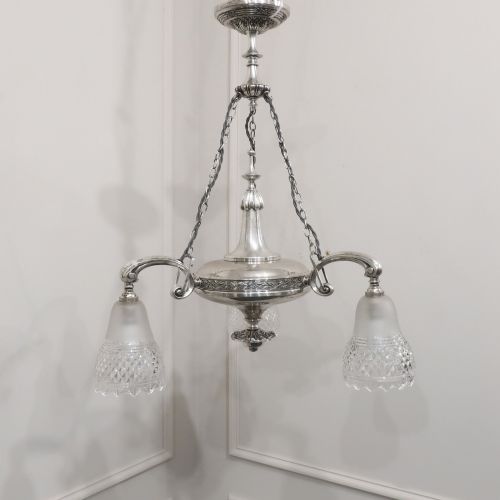
These crystal glass shade pieces harness cut glass and brass to catch and throw light across a room.
Crystal Glass Shade
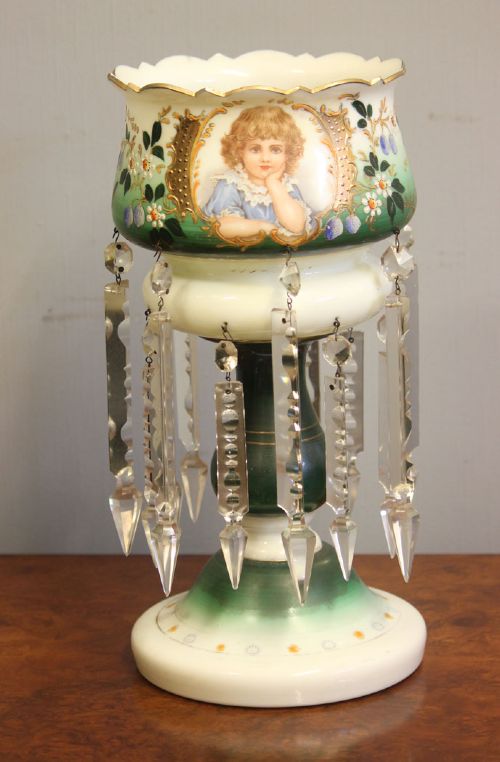
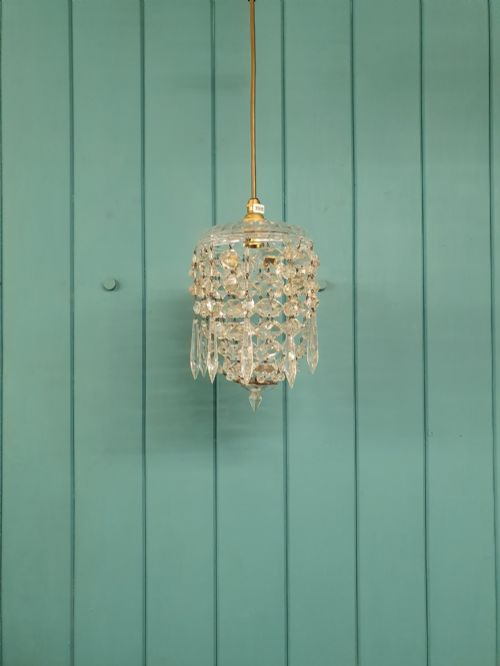
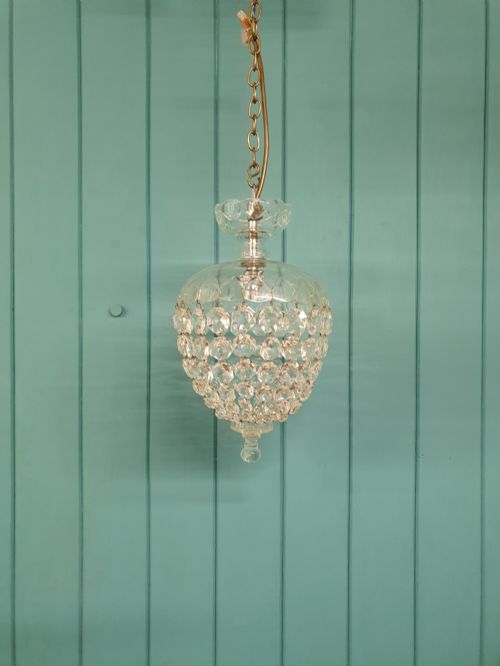
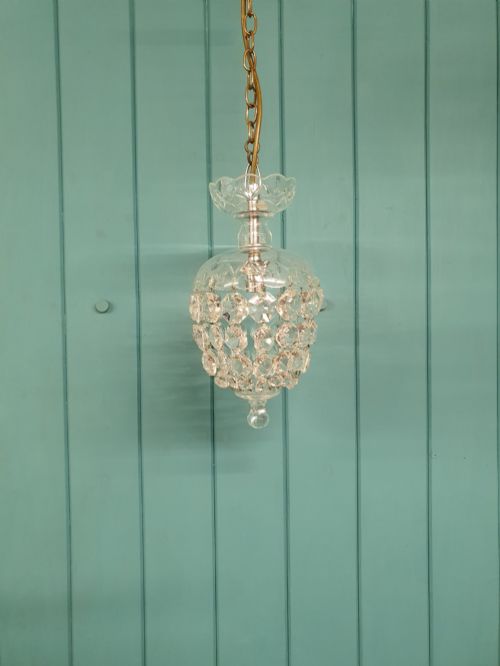
A crystal glass shade sits at the centre of various lighting forms, spanning chandeliers, wall lights, and table lamps that distribute illumination through cut and moulded surfaces. The selections available encompass Victorian oil lamps, Edwardian dome pendants, and 1930s bag chandeliers alongside table models.
The materials that ground these objects include brass, chrome, and bronze mountings paired with lead crystal, cut glass, and fabric elements. Pieces surface from distinct stylistic traditions ranging from French Chateau and Art Deco to Arts and Crafts and Edwardian designs.
Buyers encounter smaller spike and dome fixtures alongside multi-tiered chandeliers, alongside mantel lustres and bell jar lanterns. These domestic fittings served both functional illumination and decorative display within period interiors.
How they were made
The construction relies on combining hand blown or moulded crystal glass components with structural metalwork in brass, chrome, or bronze. Cut glass elements feature diamond patterns and precise facets designed to refract light, suspended by wire or fixed in metal mounts.
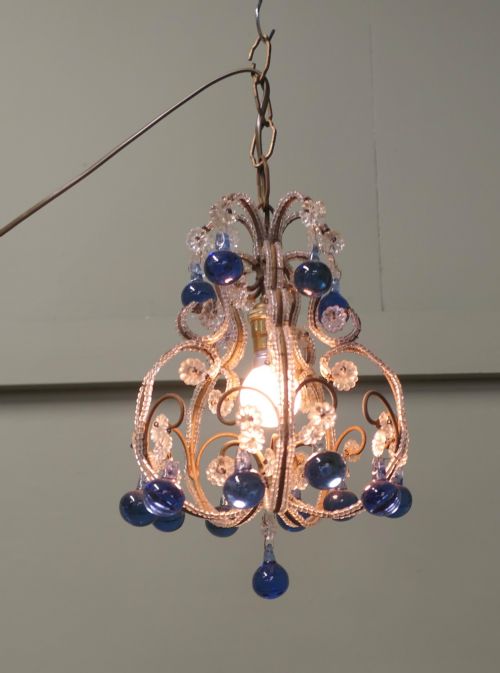
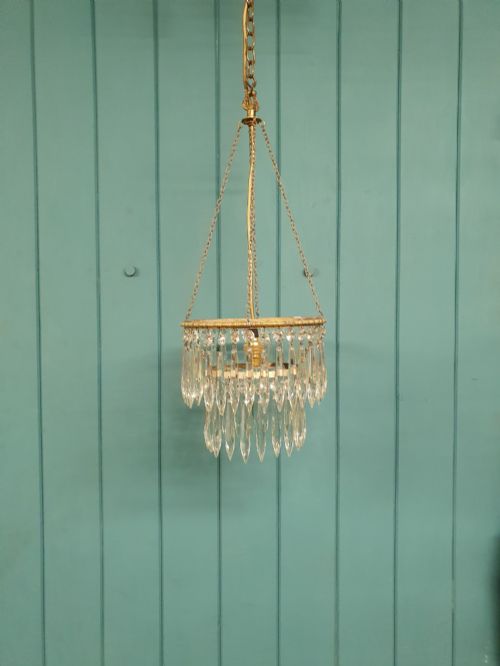
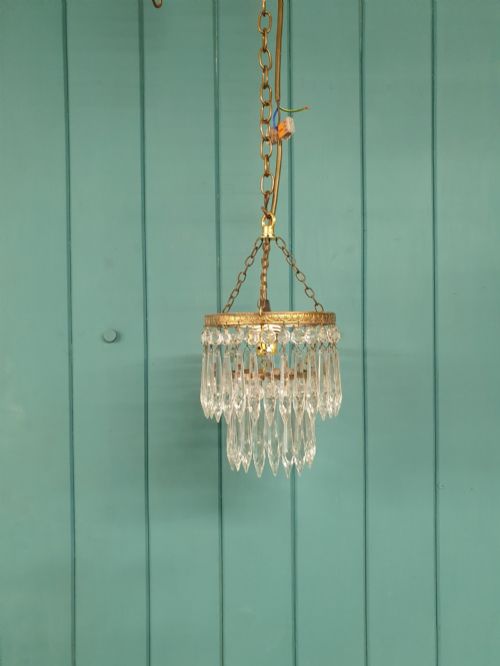
Makers integrated prisms, beads, and drops using metal pins or wire to link individual glass sections into hanging cascades and bag configurations. Metal frames were cast, gilt, or plated to support heavy crystal bowls, domes, and dishes.
Crystal Glass Shade Retail Price Guide 2026
Typical asking prices for crystal glass shade among the pieces listed under this phrase on Sellingantiques today, from the lower quarter to the upper quarter. They describe what is for sale here now, not the wider market.
The listings span the Victorian era through the 1930s, featuring periods such as Edwardian, Art Deco, and the 19th Century.
What varies in quality
The standard of cutting on the crystal surface dictates the clarity and sharpness of light refraction, distinguishing deeply faceted pieces from simpler moulded variants. Precision in the metal mountings, whether solid brass, bronze, or silver plating, influences the structural integrity of the frame.
Complexity of assembly, such as multi-tiered waterfalls, intricate bead arrangements, and coordinated drops, separates standard utilitarian fixtures from elaborate decorative commissions.
Stuart Crystal·Baccarat·F. & C. Osler
The Crystal Glass Shade Glossary
- Bag chandelier
- A light fitting shaped like a inverted bag or basket where crystal drops cover the frame in a dense mesh. This form became popular for concentrating downward illumination while sparkling across the facets.
- Mantel lustre
- An ornamental vase or pedestal hung with crystal prisms, designed for placement on a fireplace mantelpiece. They often accompanied matching storm shades or oil lamps.
- Prism
- A cut glass pendant suspended from a chandelier or wall light to refract light into spectral colours. These hang individually or in rows from metal hoops and frames.
- Dome ceiling light
- A hemispherical glass shade mounted flush or suspended against the ceiling. The curved glass diffuses the light source evenly across the room.
- Spike chandelier
- A compact hanging light featuring upward-pointing crystal spikes arranged around a central axis. This form characterises smaller Edwardian and 1930s domestic fixtures.
Crystal Glass Shade: Frequently Asked Questions
How do I hang a heavy crystal chandelier safely?
Suspension requires fixing directly into ceiling joists using a rated metal hook and securing the internal wiring through a professional electrician. The weight of brass frames and lead crystal components demands robust structural support.
Smaller dome pendants and single lights utilise standard ceiling roses, while multi-tiered chandeliers need weight-tested chains and fixings to bear the load securely.
What rooms suit a crystal glass shade?
These pieces suit living rooms, hallways, and dining spaces where their refractive qualities enhance ambient light. Smaller dome lights and spike fixtures fit lower ceilings and transitional spaces.
Table lamps and mantel lustres provide accent lighting on sideboards and surfaces, while larger multi-tier chandeliers anchor principal reception rooms.
How do I clean a cut glass shade?
Cleaning involves removing detachable drops and washing them in warm soapy water before drying with a lint-free cloth. Metal frames require careful dusting to preserve finishes like brass, bronze, or chrome.
Avoiding harsh abrasives protects the hand-cut facets and gilt mounts from scratching or wearing away during maintenance.
How do I identify an Edwardian crystal shade?
Edwardian examples frequently feature brass mounts combined with cut glass spikes, domes, or delicate bead arrangements. These pieces reflect the lighter, refined aesthetic prevalent at the start of the twentieth century.
Construction details typically include wire-linked drops, hand-blown glass bodies, and characteristic proportions suited to smaller urban rooms.