


Crystal Glass Goblets
These crystal glass goblets bring tactile weight and historical clarity to the table, spanning centuries of drinking vessels from Georgian twists to Victorian rummers.
Crystal Glass Goblets
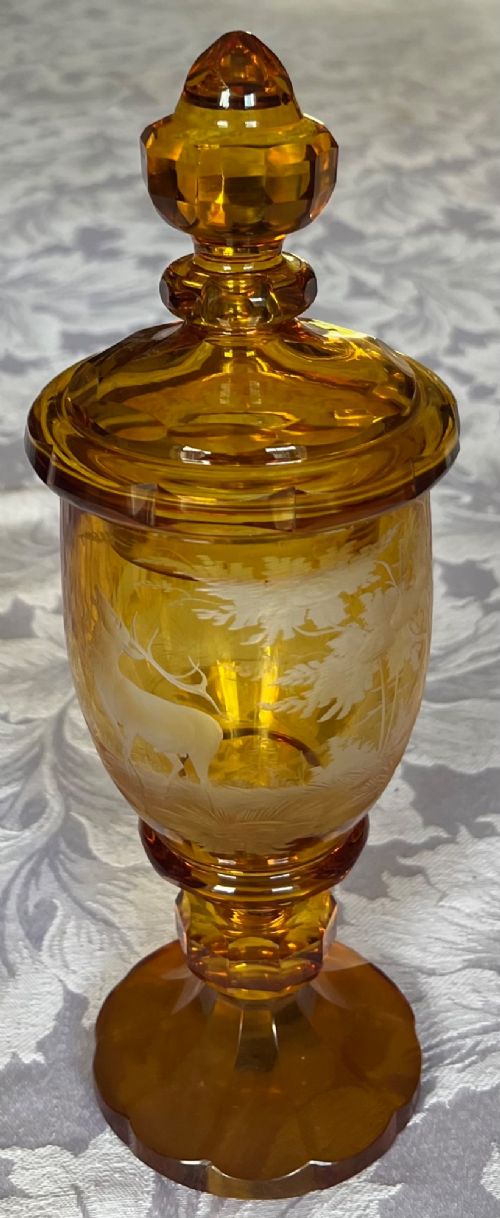
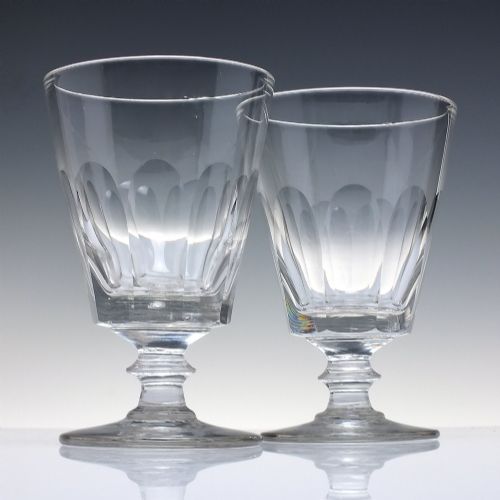
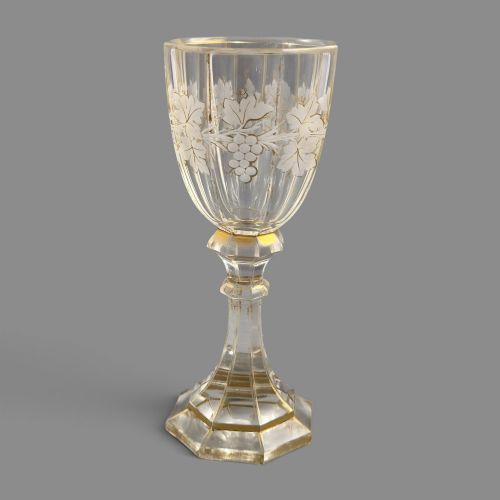
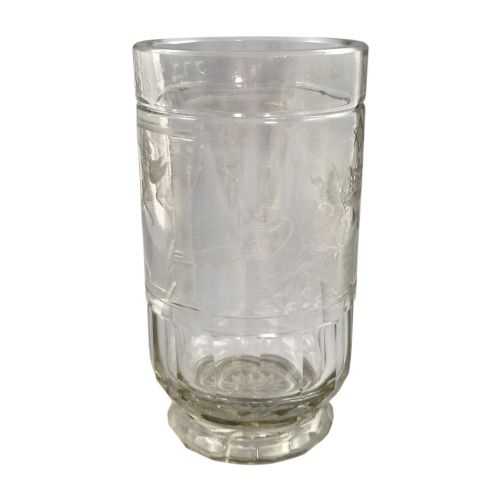
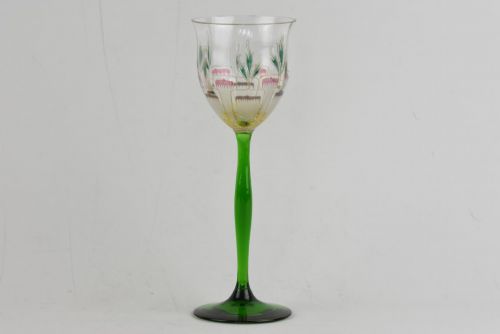
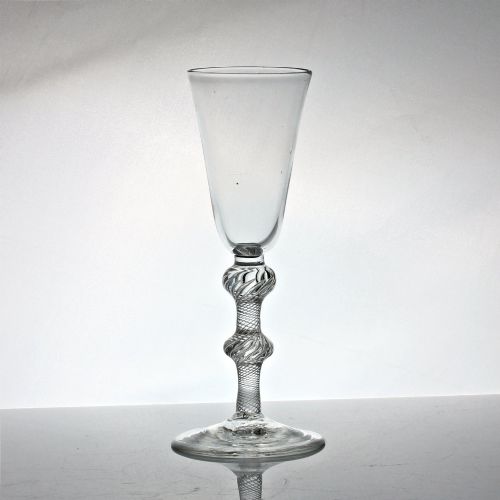
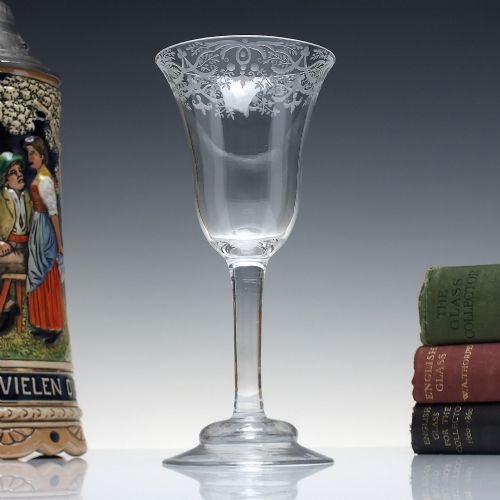
When you search for crystal glass goblets, you encounter drinking vessels, rummers, and wine glasses spanning the eighteenth, nineteenth, and early twentieth centuries. The selection ranges from plain and air twist stems of the Georgian era to heavy cut Victorian rummers and enamelled continental specimens.
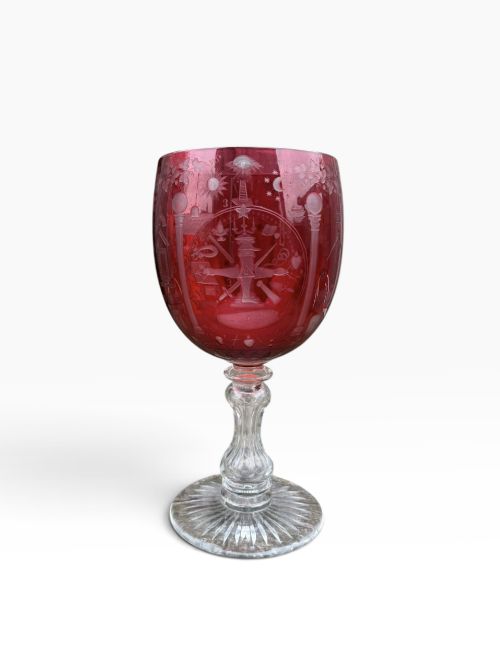
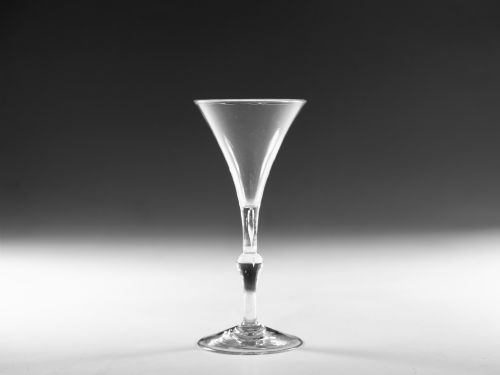
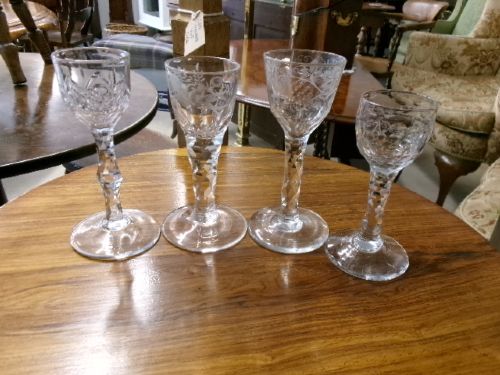
Georgian examples often feature optical effects like air twists, opaque twists, and faceted stems supporting ogee or bell bowls. Later nineteenth and early twentieth century pieces tend toward heavier cut crystal, vibrant coloured overlays, and detailed engraving.
Materials and construction
These vessels utilise lead crystal, flint glass, and clear glass, sometimes enhanced with white enamel, gold leaf, or coloured casing. Makers shaped the molten metal using techniques such as moulding, free-blowing, and intricate wheel-engraving.
Stems were formed separately and joined to bowls and wide foot bases, incorporating internal air bubbles or opaque white glass threads to create spiral twist patterns.
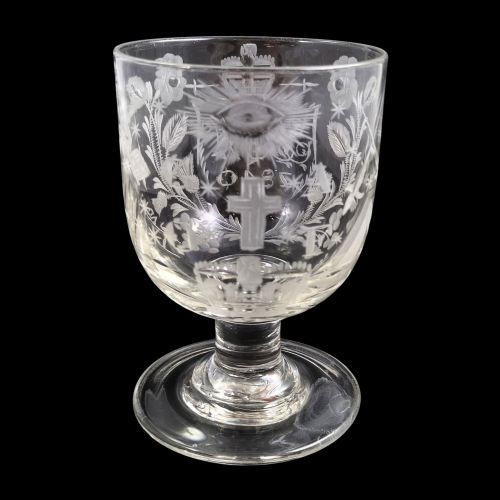
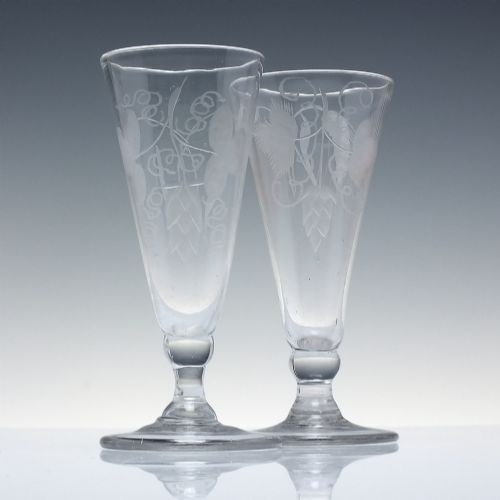
Several pieces bear masonic insignia and hops and barley engravings, ensuring toasts were raised with appropriate agricultural and fraternal symbolism.
Assessing quality
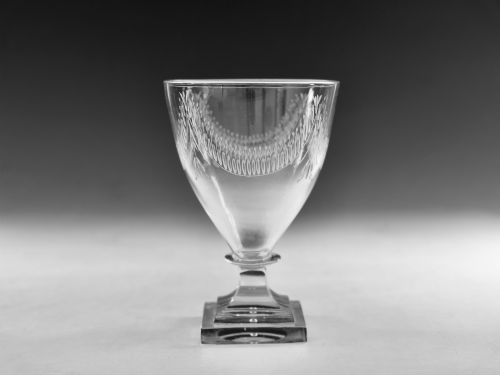
Quality rests upon the clarity of the metal, the precision of the stem twist, and the crispness of the wheel engraving or facet cutting. Superior pieces display balance in the hand, thin and even walls, and lack of distracting bubbles or cloudiness in the glass.
The complexity of the form also dictates distinction, distinguishing simple utilitarian vessels from multi-series twists, composite stems, and elaborately enamelled or gilded presentation pieces.
Moser·Baccarat·Theresienthal
The Crystal Glass Goblets Glossary
- Rummer
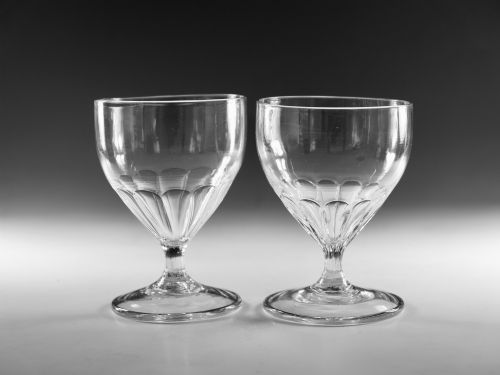
- A large, heavy drinking glass popular in the eighteenth and nineteenth centuries, often used for ale, wine, or punch. They typically sit on a short stem with a substantial foot base.
- Air twist
- A stem decoration formed by drawing out elongated air bubbles in the molten glass into spiral threads. This technique requires considerable skill from the glassblower.
- Opaque twist
- A stem featuring white or coloured enamel glass threads twisted into spiral patterns inside a clear stem. It is characteristic of mid-eighteenth century English drinking vessels.
- Ogee bowl
- A bell-shaped drinking bowl with an S-curve profile that curves outward at the rim. It directs the aromas of wine toward the nose.
- Facet cut
- Geometric planar cuts polished into the surface of the bowl, stem, or foot. This technique enhances the refraction and sparkle of lead crystal.
Crystal Glass Goblets: Frequently Asked Questions
How do I date an 18th-century goblet?
Dating relies on stylistic shifts in bowl shapes, foot construction, and stem formations like balusters, air twists, or opaque twists.
Foot profiles, such as folded rims or domed bases, along with specific pontil marks, also provide reliable chronological markers.
Were these goblets used for wine?
Many of these vessels served wine, ale, beer, or punch depending on their capacity and period form. Smaller variants functioned as dram glasses or port glasses.
Larger rummers and heavily cut pieces handled stronger ales or communal toasts during formal dinners.
What is lead crystal?
Lead crystal is glass formulated with lead oxide, which increases the weight, refractive index, and resonance of the material. This composition allows for deeper facet cutting and brilliant clarity.
Historical flint glass served a similar purpose in achieving bright, clear drinking vessels before modern standards were formalised.