



Crystal Beaded Fixture
A crystal beaded fixture brings instant sparkle and reflective depth to a room, catching the light across Edwardian, Art Deco, and 19th century designs.
Crystal Beaded Fixture
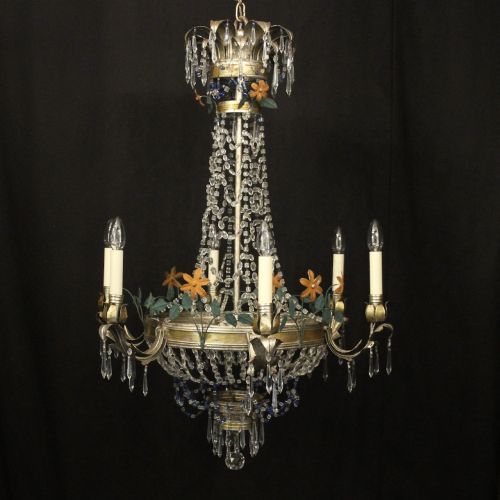
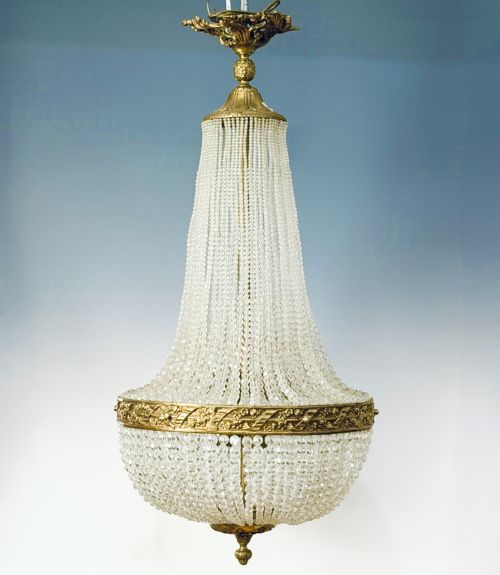
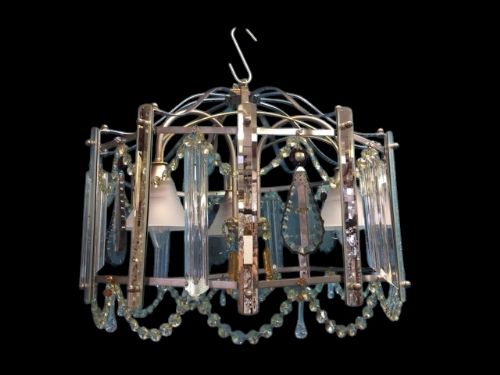
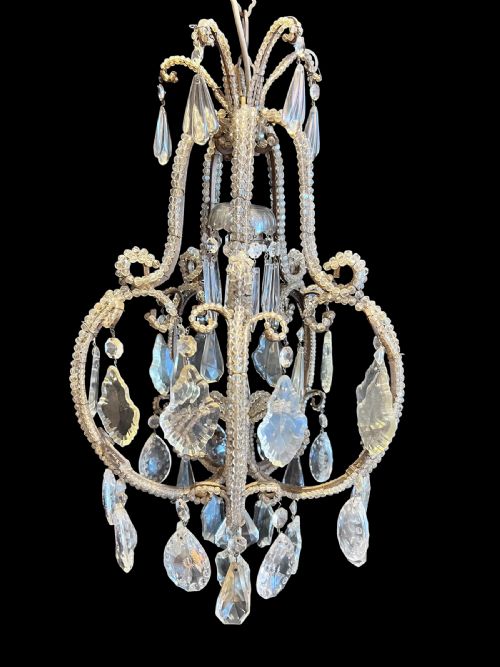
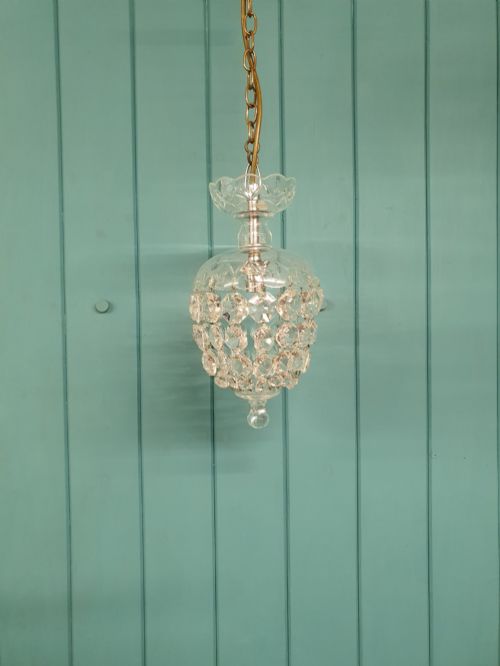
A crystal beaded fixture encompasses chandeliers, pendant lights, and ceiling lighting designed to diffuse illumination through glass and crystal components. When you search for a crystal beaded fixture, you encounter overhead lighting ranging from compact dome tops and bag chandeliers to large multi-arm statement pieces.
The pieces on this page originate predominantly from the Edwardian era, the 1910s, 1920s, and 1930s, alongside select 19th-century examples. French Empire, French Chateau, Art Deco, and Italian Venetian or Florentine styles dominate the selection.
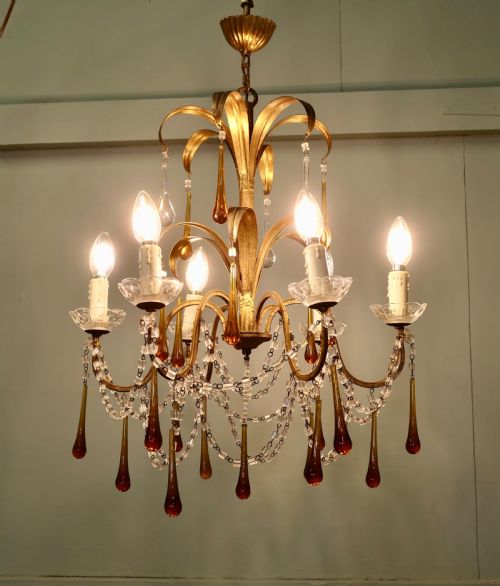
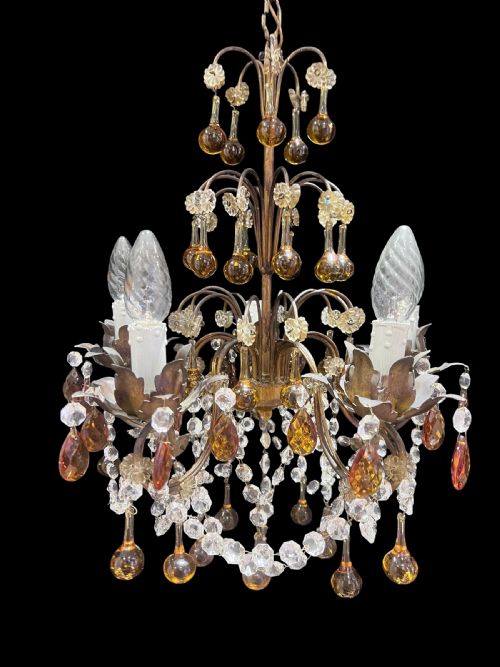
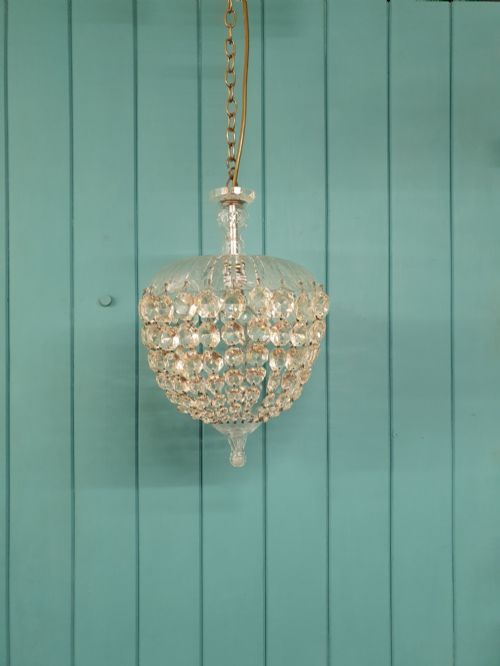
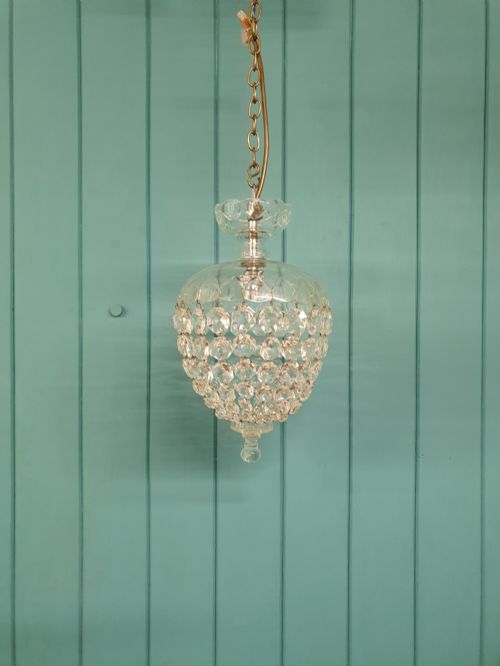
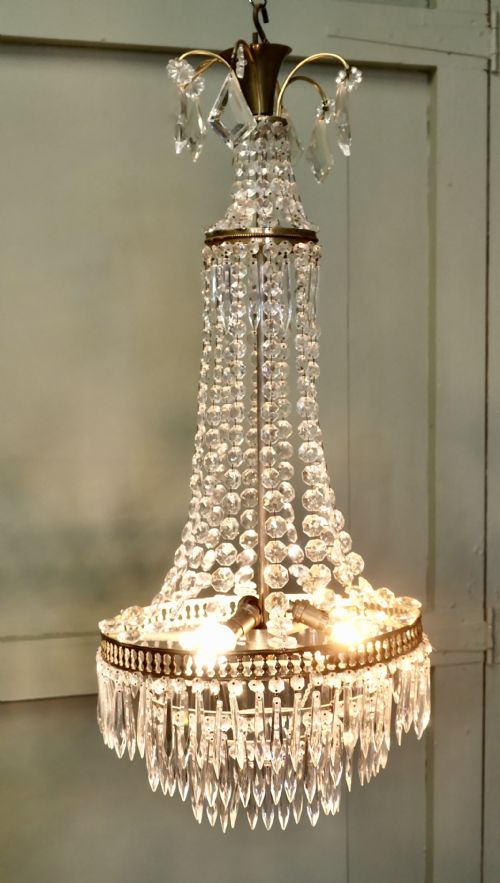
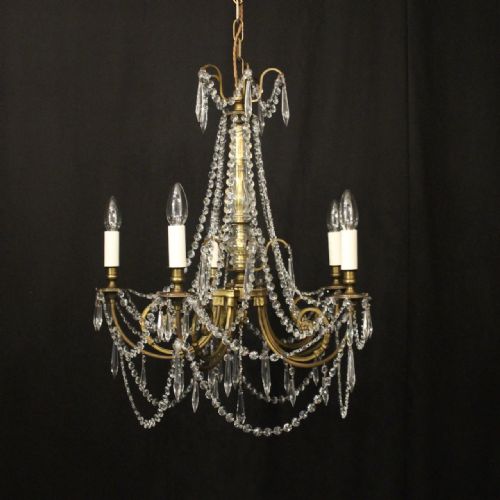
Buyers most frequently meet French tent and waterfall configurations or Italian gilt-framed styles featuring intricate glass drops, swags, and coloured crystal accents. Smaller wire chandeliers and dome top fixtures also appear regularly for lower ceiling heights.
How they were made
Frameworks rely on brass, gilt metal, gilt bronze, iron, and gilt tolewear to support the considerable weight of the glass elements. Metal arms and rings are shaped to hold cascading swags and individual beads securely in place.
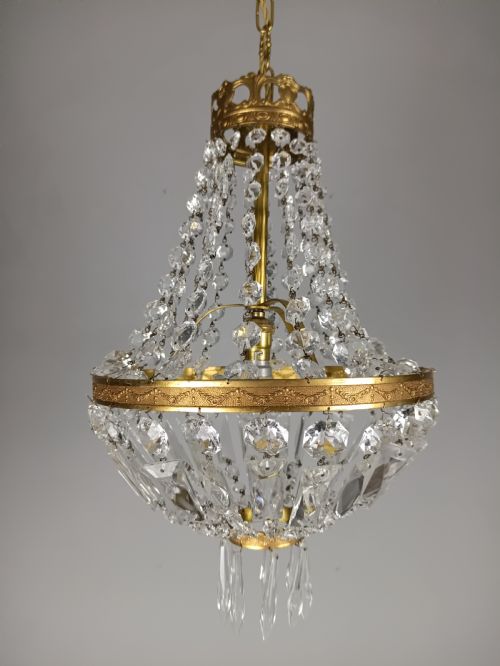
The optical effects come from cut glass and cut crystal drops, teardrops, prisms, and moulded fruit shapes. Artisans wired individual crystal beads together into continuous swags and draped them over frames to create tent, waterfall, and bag silhouettes.
Crystal Beaded Fixture Retail Price Guide 2026
Typical asking prices for crystal beaded fixture among the pieces listed under this phrase on Sellingantiques today, from the lower quarter to the upper quarter. They describe what is for sale here now, not the wider market.
Listings feature periods spanning from the 19th century through the Edwardian era, 1910, 1920, and 1930.
What varies in quality
The grade of the glass and crystal dictates the brilliance of the refraction, with finely cut components creating sharper light dispersion than plain pressed glass. The complexity of the frame design, whether a simple wire basket or a substantial gilt bronze and brass structure, also sets pieces apart.
Meticulous assembly using abundant beaded arms, swags, and specialised drops indicates higher workshop ambition. The preservation of original gilding and the completeness of matching crystal fruit or teardrop elements elevate the visual harmony of the fixture.
Wedgwood
The Crystal Beaded Fixture Glossary
- Tent and waterfall
- A chandelier style featuring an upper conical section of beads dropping down to a wider lower tier. This layout maximises the reflective surface area.
- Bag chandelier
- A lighting fixture shaped like a tapered bag or basket where dense bead strands enclose the interior light source. These are particularly suited to lower ceilings.
- Gilt bronze
- A metal base treated with a gold-coloured finish or mercury gilding to provide a rich metallic sheen. It offers strong structural support for heavy glass assemblies.
- Prism
- A cut glass or crystal pendant designed to refract light into spectral colours. Prisms hang from the arms and rims of the fixture.
- Tolewear
- Painted sheet metal shaped into decorative forms or structural components. It frequently appears with gilt highlights in continental lighting.
Crystal Beaded Fixture: Frequently Asked Questions
How do I hang a crystal beaded fixture?
Suspension requires assessing the weight of the metal frame and glass components against your ceiling capacity. A professional electrician should install a proper ceiling hook and junction box to support the fixture safely.
Height placement depends on room traffic and table clearance. In dining spaces, the bottom of the fixture typically hangs well above head height while remaining centred over the surface.
How do I clean a crystal beaded fixture?
Dust the fixture regularly with a soft feather duster or microfibre cloth to prevent buildup between the beads and swags. For deeper cleaning, apply a specialist glass spray to a cloth and wipe individual components rather than soaking the frame.
Avoid harsh chemical cleaners that can strip gilt finishes or degrade old wiring. Support delicate crystal strands from underneath while cleaning to prevent undue tension on vintage wire.
How do I date a crystal beaded fixture?
Dating relies on examining the metalwork techniques, wiring style, and structural framing. Edwardian and early 20th-century pieces often display hand-wired crystal connections and specific brass or gilt metal casting traits.
Stylistic markers also help determine age, such as the geometric lines of 1920s Art Deco examples or the elaborate gilt frames of Italian Florentine designs. Comparing drop cuts and frame materials against documented periods narrows down the origin.