


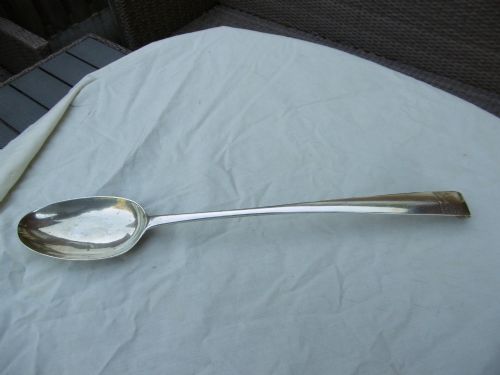


Crested Silver Cutlery
These crested silver cutlery pieces carry centuries of family heraldry, offering a direct link to the estates and individuals who commissioned them.
Crested Silver Cutlery
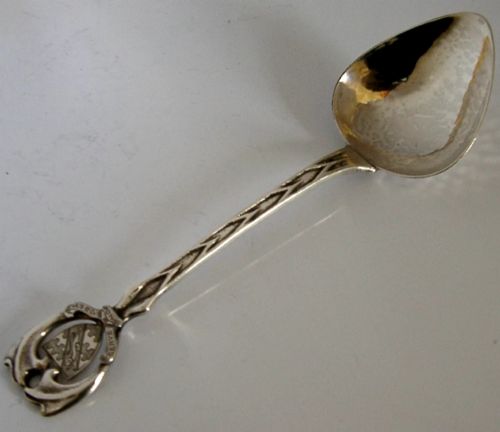
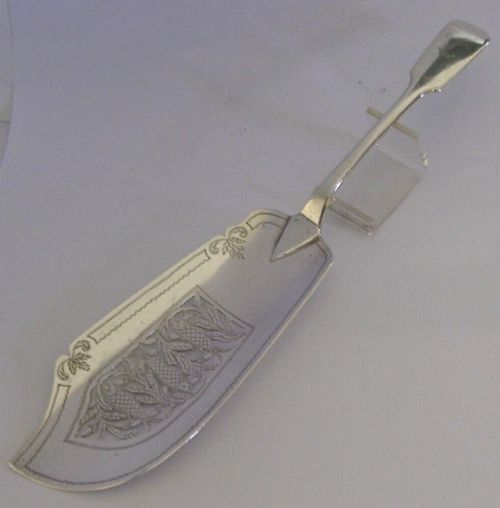
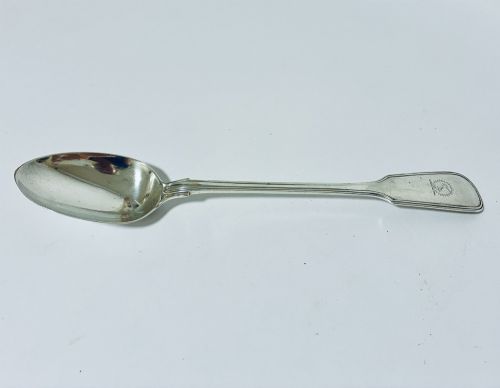
When you search for crested silver cutlery, you are looking at functional table silver engraved with armorial bearings, family crests, or specific institutional badges. These items range from individual tablespoons and dessert forks to heavy soup ladles and fish servers.
The pieces on this page span several key eras, predominantly featuring 18th-century and 19th-century examples alongside Victorian and Georgian styles. You will frequently encounter serving spoons, dognose forks, and basting spoons bearing distinct heraldic marks.
Origins vary across British and Irish centres of silversmithing, including specific regional marks like York alongside traditional London work. Each piece combines practical dining utility with personal or corporate history.
Materials and Construction
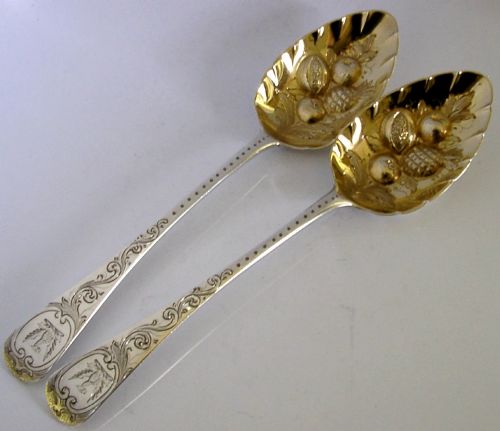
The material foundation of these pieces is solid sterling silver, occasionally complemented by selective silver gilt or partial gilt highlights on specialised utensils. Wood appears in auxiliary components or storage contexts rather than the main structure of the cutlery.
Silversmiths shaped these items using traditional forging and hammering techniques before hand-engraving the crests and armorials into the metal surface. This involved careful balancing of weight and form, whether creating three-pronged dessert forks or large soup ladles.
Crested Silver Cutlery Retail Price Guide 2026
Typical asking prices for crested silver cutlery among the pieces listed under this phrase on Sellingantiques today, from the lower quarter to the upper quarter. They describe what is for sale here now, not the wider market.
Factors of Quality
Quality in these items rests on the crispness and depth of the original heraldic engraving, which should remain sharp despite generations of use and cleaning. The proportional balance of the utensil and the survival of clear hallmarks also dictate the standing of a piece.
Maker execution plays a significant role, with specialised silversmiths and provincial town marks adding distinct character and desirability to the silver. The weight of the metal relative to the form ensures that the utensil maintains structural integrity during service.
E Coker·J Ladyman·John Craig·R Grey·CONNELL
The Crested Silver Cutlery Glossary
- Crest
- A secondary component of a coat of arms, typically depicted above a helmet or coronet, engraved onto the silver handle. It identifies the specific branch of a family.
- Armorial
- Relating to heraldry and coats of arms, often displayed in full detail on larger serving pieces and ladles. These designs record lineage and matrimonial alliances.
- Dognose
- An early form of spoon and fork popular around the turn of the eighteenth century, featuring a notched, upturned terminal tip. This style preceded the standard Hanoverian pattern.
- Fiddle Pattern
- A nineteenth-century cutlery design characterised by a narrow shoulder above a widened, squared-off handle base resembling a fiddle. It became a staple of Victorian dining tables.
- Hallmark
- The official stamp applied by an assay office to guarantee the standard of precious metal purity. It often includes date letters and maker marks for precise attribution.
Crested Silver Cutlery: Frequently Asked Questions
How do I identify the family crest on my silver?
Family crests on silver are typically researched by comparing the engraved heraldry against historical armorial records and peerage guides. Heraldic artists used specific symbols, animals, and mottos to represent particular lineages.
Examining the style of the engraving and matching the period of the piece to the owning family's timeline provides further confirmation of the provenance.
What is the difference between a crest and a coat of arms?
A crest is strictly the specific device that sits atop the helmet in a full heraldic achievement, though the term is often used broadly. A complete coat of arms includes the shield, helm, mantle, and sometimes supporters.
On cutlery, space limitations usually meant smiths engraved just the crest or a simplified armorial shield rather than the entire heraldic composition.
How should I clean antique crested silver?
Cleaning antique silver requires a gentle approach using a non-abrasive silver cloth or specialised paste to preserve the delicate hand-engraving of the crest. Avoid harsh dips that can strip away the natural patination built up over centuries.
Regular, careful washing with mild soap and warm water followed by immediate drying will maintain the metal without wearing down the crisp edges of the hallmarks and heraldry.
Can I use antique silver cutlery for everyday dining?
Many people choose to incorporate antique spoons and forks into modern table settings, appreciating their solid weight and historical connection. Sterling silver is durable enough for regular use when handled with care.
Delicate items, such as thin eighteenth-century tines or heavily gilt serving pieces, benefit from more reserved handling to protect their condition over time.