



Crested Serving Spoons
These crested serving spoons are solid silver implements bearing engraved family crests, offering tactile links to Georgian and Victorian dining tables.
Crested Serving Spoons
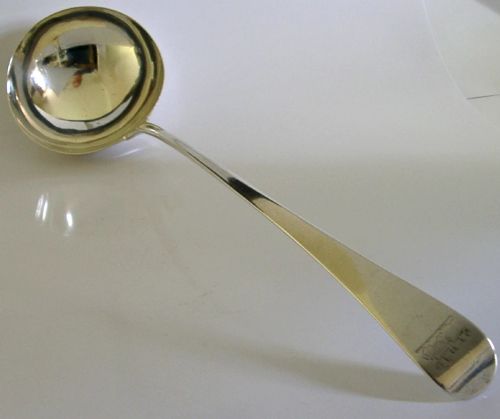
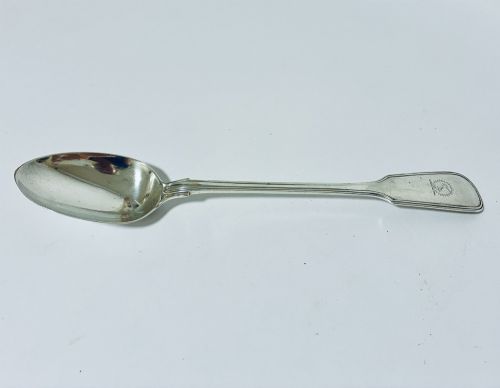
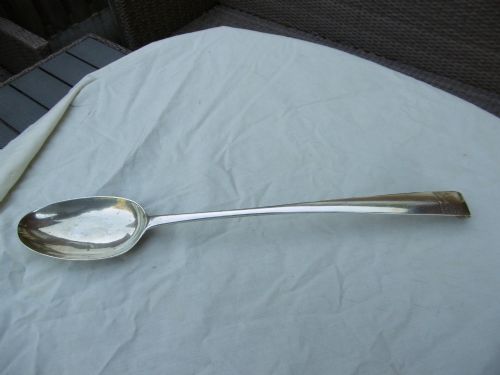
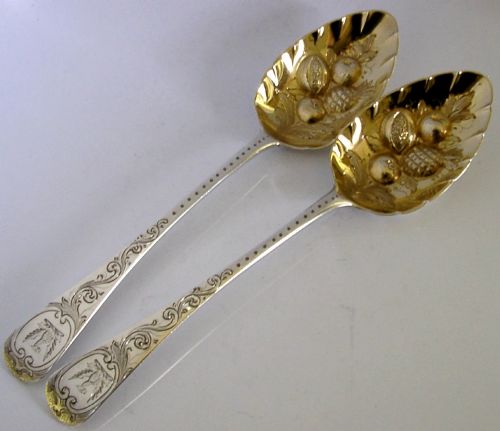
When you search for crested serving spoons, you are looking at heavy silver flatware designed for the formal dining table, typically featuring engraved armorial bearings or crests. These utensils include large serving spoons, basting spoons, and substantial soup ladles made to serve multiple guests.
The versions you are most likely to meet on this page span from the early eighteenth century through the Victorian era, encompassing styles such as Queen Anne and Georgian. They appear in sterling silver and silver, occasionally with gilt finishes, reflecting the domestic habits of wealthy households.
How they were made
These spoons and ladles were fashioned from sterling silver and silver, hammered and shaped by hand before being finished with hand-engraved family crests. Workshops utilised traditional techniques like casting and raising to create durable utensils meant for daily service at the dining table.
Makers shaped the metal into distinct regional patterns, occasionally incorporating wooden elements or gilt accents into the design. Every piece bears the marks of its period, showing the physical labour of eighteenth and nineteenth century silversmiths.
Crested Serving Spoons Retail Price Guide 2026
Typical asking prices for crested serving spoons among the pieces listed under this phrase on Sellingantiques today, from the lower quarter to the upper quarter. They describe what is for sale here now, not the wider market.
Listings feature sterling silver and silver objects spanning the eighteenth and nineteenth centuries, including works from Georgian and Victorian periods.
What varies in quality
Quality in these implements rests on the crispness of the engraved crest and the preservation of the original bowl shape after decades of use and cleaning. Pieces with clear town marks and maker stamps carry greater historical weight.
The heft of the silver and the balance of the handle separate standard production from exceptional provincial or maker-attributed work. The distinction lies in how cleanly the silversmith executed both the functional shape and the heraldic engraving.
Hester Bateman·John Craig·Michael Smith·R Grey·J Ladyman
The Crested Serving Spoons Glossary
- Crest
- A specific heraldic device belonging to a family, hand-engraved onto the handle of a spoon or ladle. This mark identified ownership and added a personal emblem to the household silver.
- Sterling silver
- A silver alloy containing a specific proportion of pure silver and other metals for durability. This material forms the primary substance of these serving utensils.
- Soup ladle
- A large-bowled spoon designed for serving soup from a tureen during formal meals. These pieces represent some of the heaviest silver items found in the category.
- Basting spoon
- An elongated spoon historically used to ladle juices over meat during roasting. They appear in eighteenth-century collections with distinctive hook ends or large bowls.
- Gilt
- A thin layer of gold applied to the surface of silver, often seen inside the bowls of ladles. This technique protected the silver from acidic foods and provided a decorative contrast.
Crested Serving Spoons: Frequently Asked Questions
What were crested serving spoons used for?
These large spoons and ladles served food at the table from communal dishes and tureens during formal meals. Families used them to portion out soups, gravies, and large portions of meat or vegetables.
The engraved crest ensured the silver stayed within the correct household or returned to the proper dining room after washing in the scullery.
How do I identify a Georgian serving spoon?
Georgian spoons display specific handle shapes, such as the old english pattern or hook ends, alongside hallmarks that date the piece to the reigns of the Georges. These items often feature heavy sterling silver construction and hand-engraved armorial bearings.
Examining the underside of the handle usually reveals maker marks and town marks that confirm the eighteenth or early nineteenth century origin.
How should I clean silver serving spoons?
Clean these spoons gently using warm water, mild soap, and a soft cloth to preserve the antique surface and the engraved crest. Avoid harsh abrasive dips that strip away the natural patina accumulated over centuries.
Storing the silver in anti-tarnish cloth or closed drawers prevents rapid oxidation and maintains the finish of the metal.
Why do some spoons have family crests?
Families engraved their unique crests onto silver flatware to prevent theft and to display lineage and status on the dining table. Heraldic engraving was a standard practice for affluent households commissioning custom silver services.
These crests often allow modern collectors to trace the history of the piece back to its original owners.