

Cream Wood Armchairs
Cream wood armchairs bring understated elegance and comfort to a room, offering versatile seating shaped by centuries of craftsmanship.
Cream Wood Armchairs
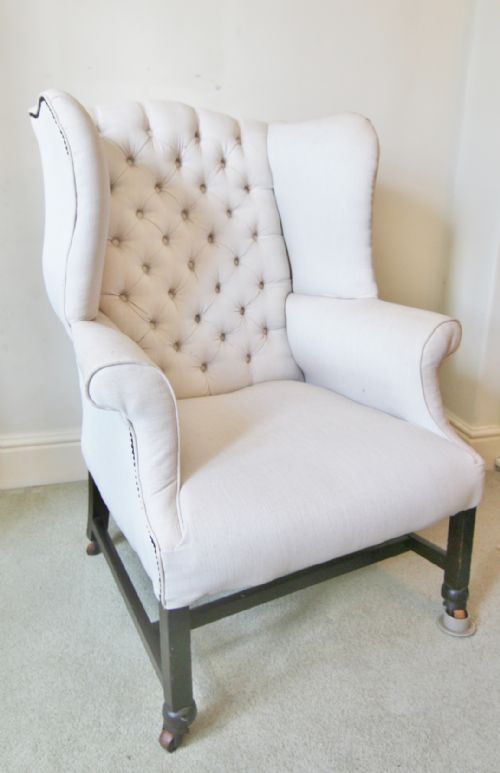
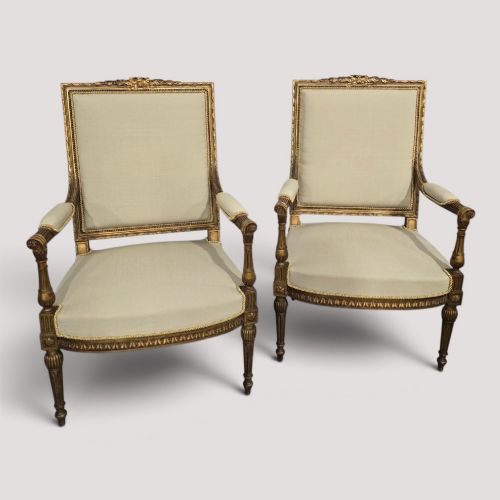
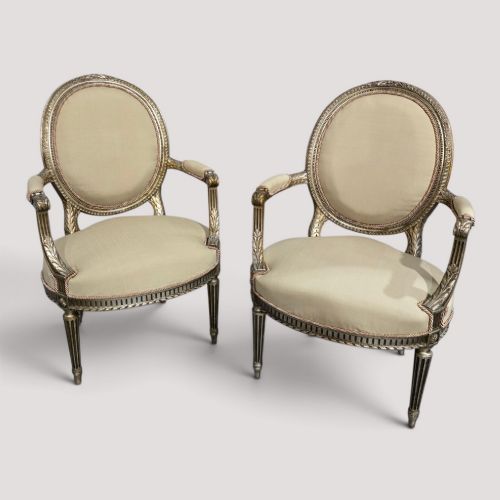
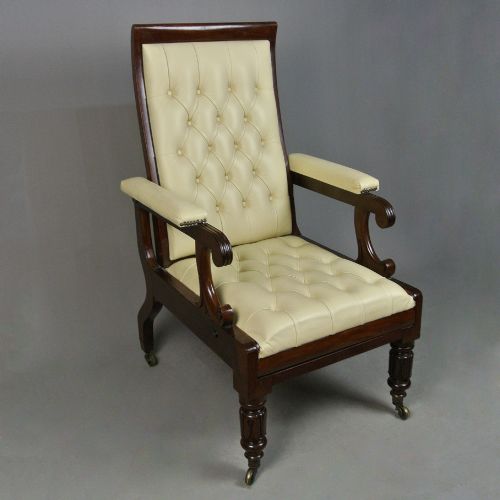
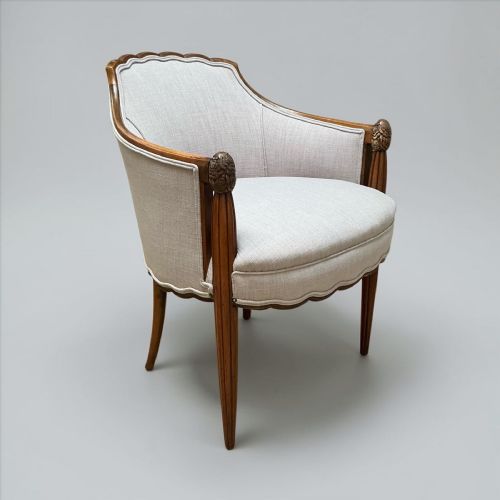
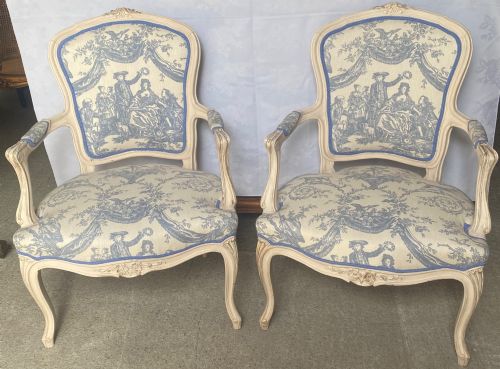
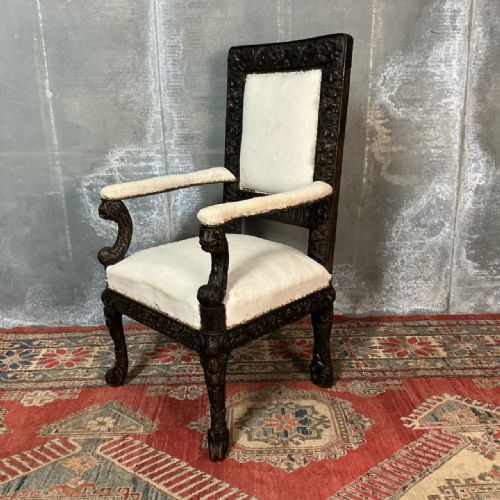
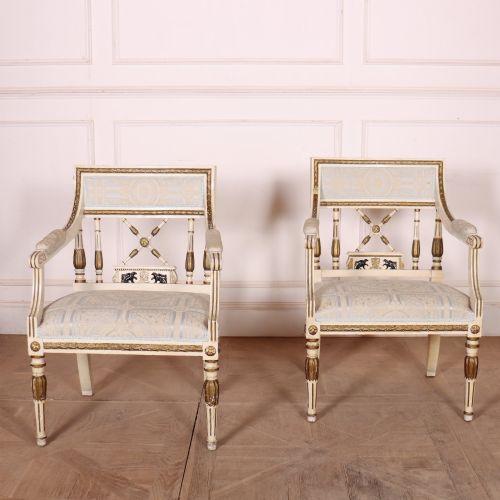
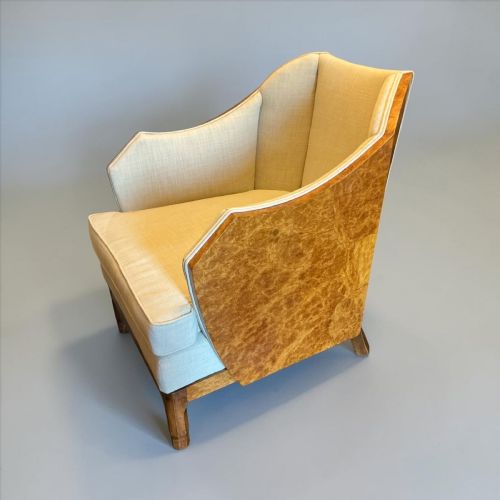
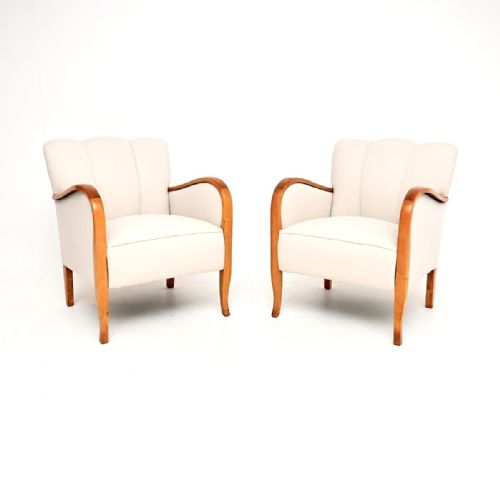
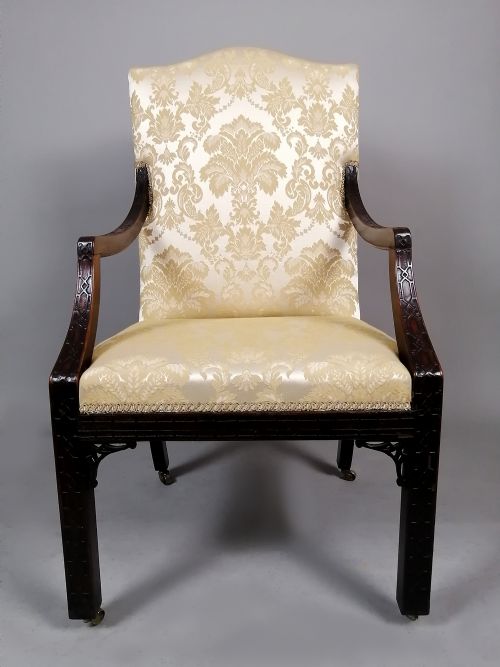
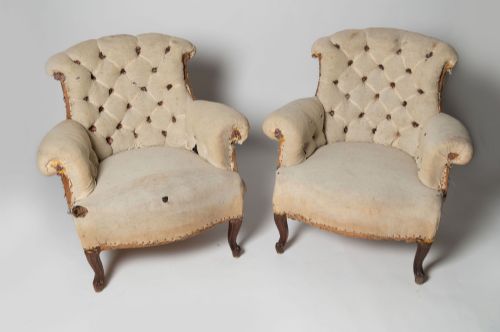
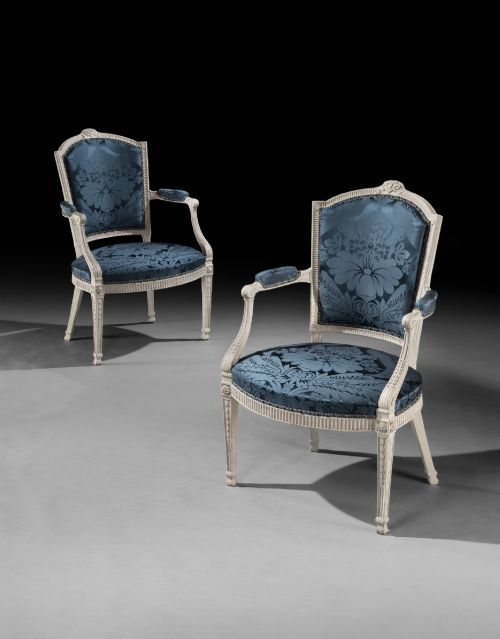
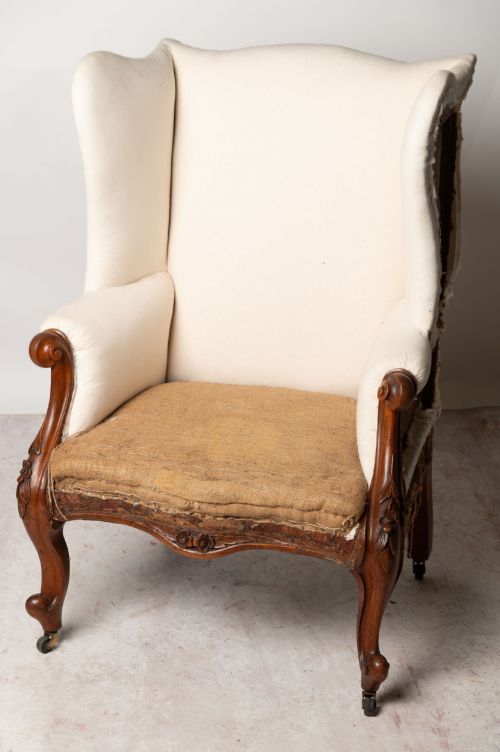
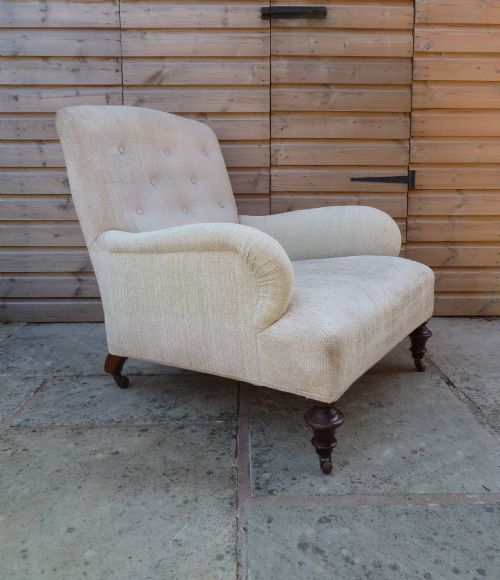
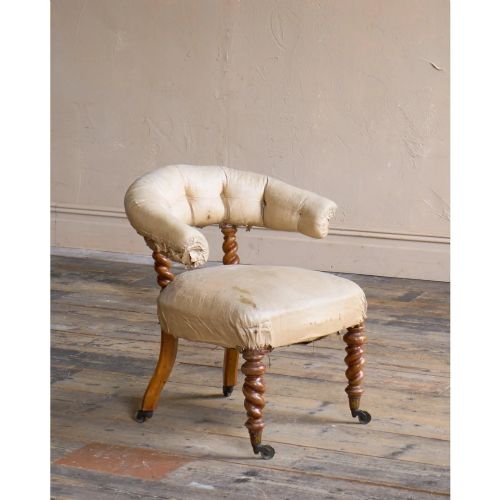
Cream wood armchairs encompass a wide variety of seating options, ranging from 18th-century painted frames to 20th-century art deco designs. Buyers searching for cream wood armchairs encounter diverse forms including slipper chairs, library chairs, and deep-seated bergères.
The selection reflects continental and British craftsmanship, featuring Louis styles, Swedish Empire, and Victorian influences. Frames typically present painted surfaces, parcel gilt finishes, or exposed timber structures paired with tailored upholstery.
Pieces span multiple centuries, with 19th-century interpretations and 1930s modernist examples appearing frequently alongside earlier Georgian and 18th-century French models. Each era brings distinct proportions and decorative vocabulary to the seating form.
Materials and Construction Techniques
Frames rely on sturdy timbers including mahogany, beech, oak, elm, and satin birch, providing the structural skeleton necessary for enduring seating. Master makers shaped these woods through precise joinery and carving before applying painted finishes or retaining natural grains.
Surface decoration often involves layered paintwork, sometimes enhanced with parcel gilding or subtle distressing to highlight carved mouldings. Upholstery techniques incorporate traditional fabric, linen, leather, and needlework secured to sprung or webbed bases.
Cream Wood Armchairs Retail Price Guide 2026
Typical asking prices for cream wood armchairs among the pieces listed under this phrase on Sellingantiques today, from the lower quarter to the upper quarter. They describe what is for sale here now, not the wider market.
Listings feature periods spanning from the 18th century through the 1920s and 1930s, constructed from mahogany, beech, satin birch, and painted wood.
Factors Defining Quality
The distinction between ordinary and exceptional seating lies in the crispness of the hand-carved details and the architectural integrity of the wooden frame. Superior examples demonstrate harmonious proportions, balanced curves, and timber selection that complements the overarching design style.
Authenticity of surface finish and the preservation of original painted or gilded layers significantly elevate a piece. Master execution in upholstery and the seamless integration of supportive padding within historical forms also determine the upper tiers of quality.
Mellier and Co·C Hindley and Sons·Henri Jacob·Hary and Lou Epstein
The Cream Wood Armchairs Glossary
- Bergère
- An enclosed upholstered armchair with wooden framing around the sides and back. These seats often feature exposed carved wood and loose seat cushions.
- Satin Birch
- A lustrous timber frequently utilised in Swedish furniture production during the 19th and early 20th centuries. It provides a pale, reflective grain pattern highly favored in modernist and neoclassical design.
- Parcel Gilt
- A decorative technique where specific carved portions of a painted or natural wood frame are highlighted with gold leaf. This method accentuates architectural details without overwhelming the primary surface.
- Cabriole Leg
- A furniture leg featuring a double curve, pinching outward at the knee and tapering inward at the ankle. This classic form appears frequently on 18th-century and Victorian seating.
- Neoclassical
- A style drawing inspiration from classical antiquity, characterised by straight lines, symmetry, and restrained ornamentation. It heavily influences late 18th-century and 19th-century French and Swedish chairs.
Cream Wood Armchairs: Frequently Asked Questions
How do I clean painted wood frames?
Maintain painted wooden surfaces by dusting gently with a dry, soft cloth to prevent particulate buildup. Avoid harsh chemical cleaners that can strip or soften historic paint finishes.
For stubborn marks, use a slightly damp cloth with mild soap, drying the timber immediately afterward. Preserving the original patina requires a gentle touch and minimal moisture.
What periods do these armchairs span?
The available seating spans from the 18th century through the 19th century and into the 20th century. Earlier examples showcase Georgian and Louis designs, while later items embrace Art Deco and Victorian aesthetics.
Each period introduces specific stylistic markers, from ornate carving to streamlined geometric forms. Understanding these eras helps contextualize the origin of individual chairs.
Are these chairs suitable for daily use?
Many historic armchairs are structurally robust enough for daily seating, provided they have received proper maintenance and stable upholstery. Checking the integrity of the wooden joints ensures safe everyday enjoyment.
Lighter decorative chairs may be better suited for occasional use or accent placement in low-traffic areas. Balancing historical preservation with practical living requires assessing each frame individually.