

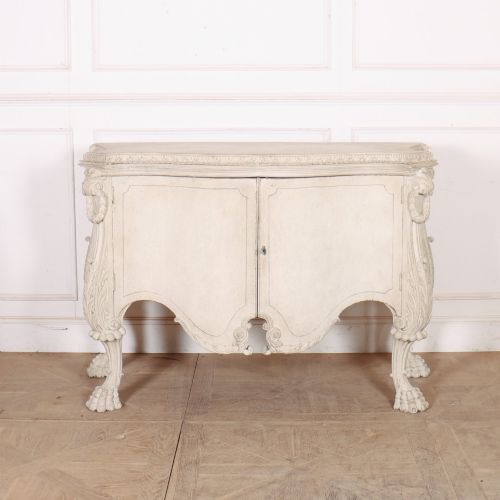
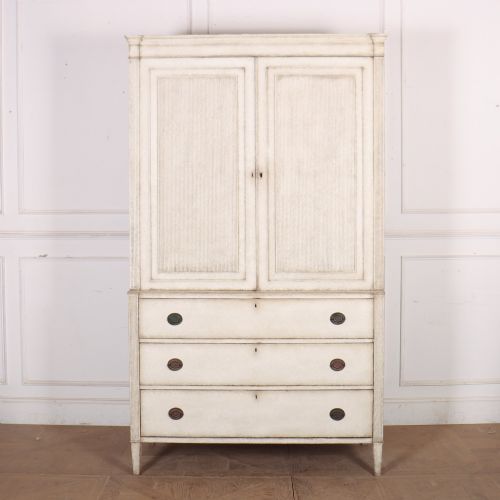
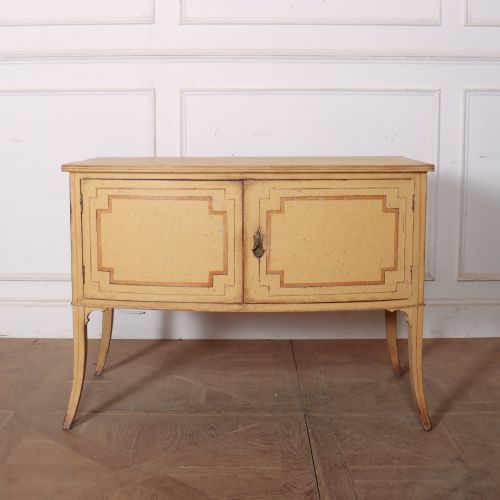
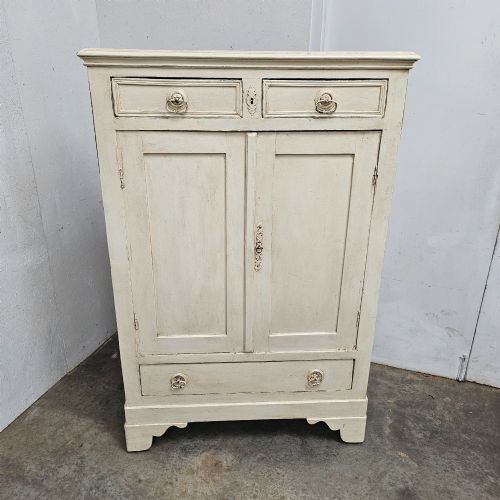
Cream Storage Cabinet
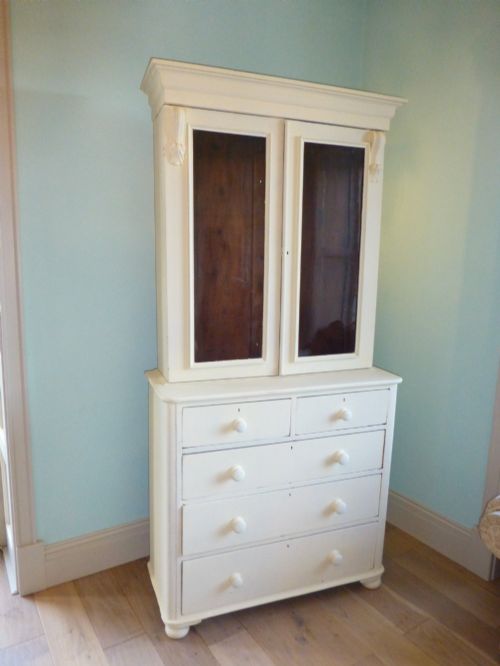
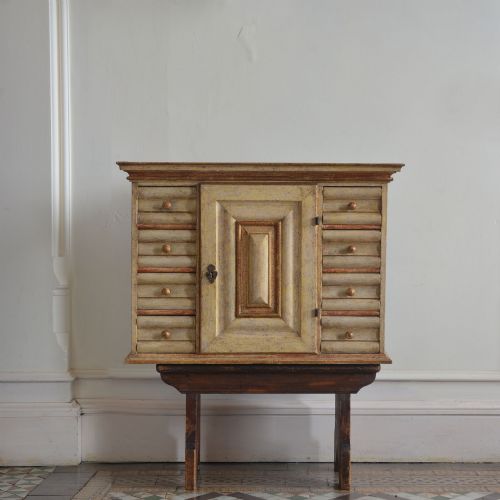
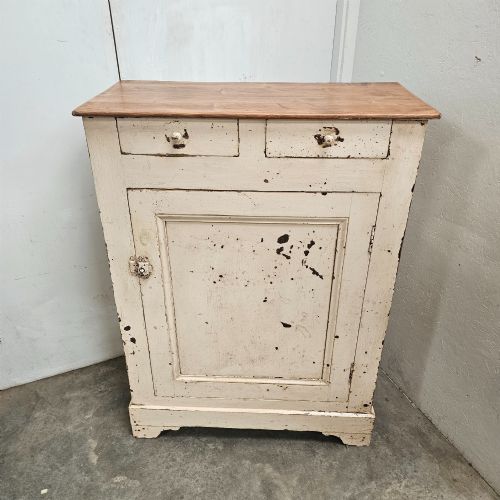
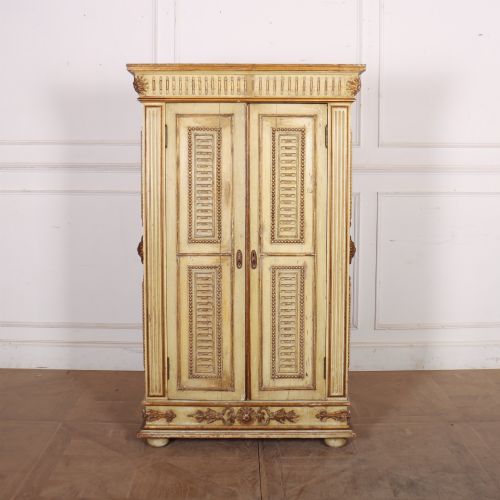
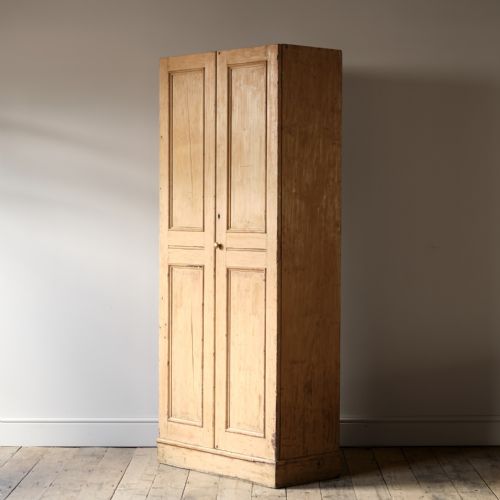
These cream storage cabinet pieces range from towering pine housekeepers' cupboards to small French confituriers, offering practical domestic storage wrapped in painted historical charm.
Cream Storage Cabinet
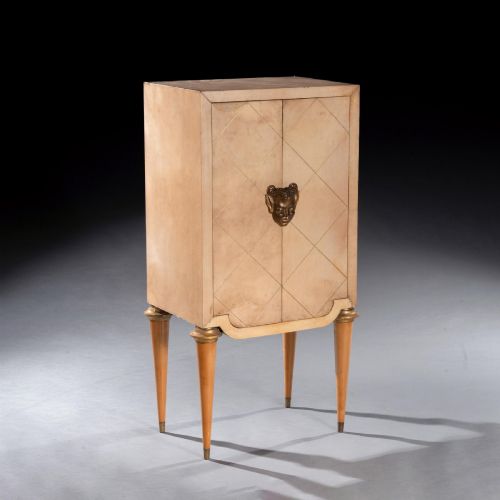
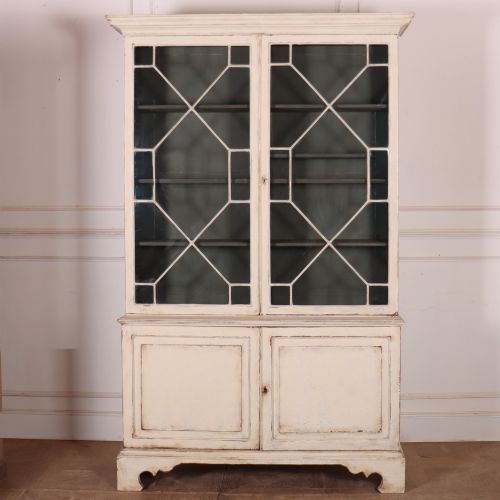
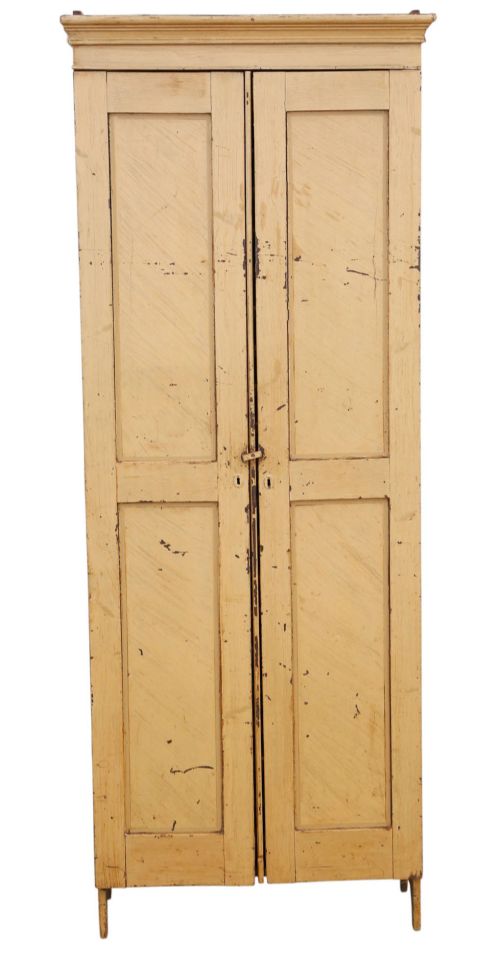
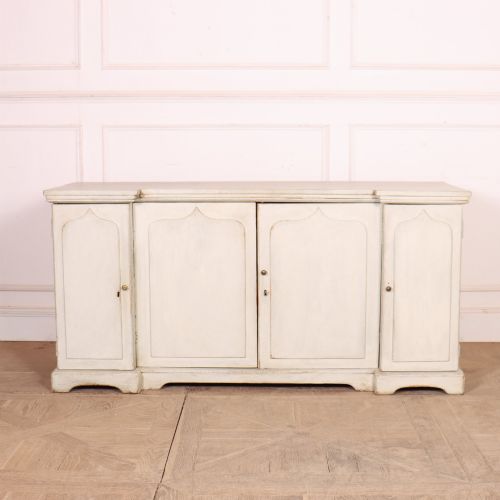
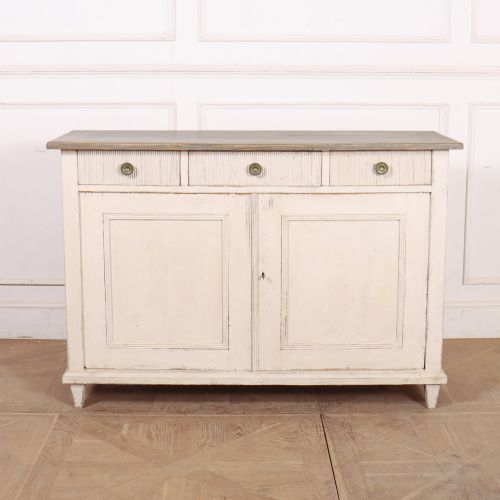
A cream storage cabinet spans a diverse group of domestic furniture designed to hold linens, kitchen provisions, and household goods. When searching for a cream storage cabinet, buyers encounter forms ranging from 18th century English housekeepers' cupboards and French pine alcove cupboards to tall Victorian shop fittings and Italian side cabinets.
The majority of pieces visible in this collection lean heavily toward country house aesthetics, particularly English, French, Scandinavian, and Italian provincial styles. These items typically present as large freestanding cupboards, smaller jam cupboards, or glazed bookcases finished in painted timber and pine.
Regional variations define much of the selection, moving from Yorkshire housekeepers' cupboards to Dutch tall boy chests of drawers and Swedish cabinets. Each piece brings specific proportions and vernacular architectural details rooted in its country of origin.
Materials and construction
Construction relies predominantly on solid pine and timber carcasses built to withstand generations of domestic use. Iron and brass hardware such as hinges, latches, and drawer pulls frequently complete these pieces alongside glass panels for glazed bookcases and display cabinets.
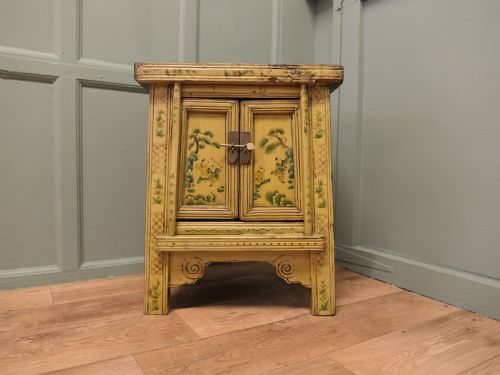
Surface treatments centre on painted finishes, with numerous items retaining original cream paint, decorative Chinoiserie motifs, or period gilt highlights. Joinery methods reflect traditional cabinetmaking appropriate to periods spanning the eighteenth through the early twentieth centuries.
Cream Storage Cabinet Retail Price Guide 2026
Typical asking prices for cream storage cabinet among the pieces listed under this phrase on Sellingantiques today, from the lower quarter to the upper quarter. They describe what is for sale here now, not the wider market.
The listings here feature pieces spanning the 18th century, 19th century, and early 20th century, constructed primarily from pine, painted timber, and iron.
Assessing quality in painted storage furniture
Quality rests significantly on the integrity of the painted surface, distinguishing items with original historic paint from those later refinished. The depth of the timber grain beneath the paintwork and the crispness of decorative elements like Chinoiserie or gilt work further separate standard examples from finer works.
Structural soundness in heavy items like housekeepers' cupboards and tall dressers dictates everyday usability. The survival of original glass panes, functional internal shelving, and intact iron or brass metalwork contributes directly to a piece's integrity.
The Cream Storage Cabinet Glossary
- Housekeeper's Cupboard
- A large, tall storage piece traditionally used in grand houses to store linens, dry goods, and china. These cupboards usually feature multiple doors and internal shelving.
- Confiturier
- A small French storage cabinet, often known as a jam cupboard, traditionally designed to hold jars of preserves. They typically present with a single door and compact proportions.
- Breakfront
- A piece of furniture whose central section projects forward from the flanking sections. This architectural arrangement adds visual depth to large side cabinets and dressers.
- Chinoiserie
- European decorative style inspired by Chinese artistic traditions, often seen on eighteenth and nineteenth century painted cabinets. It involves intricate hand-painted motifs and figures.
- Commode
- A low French chest of drawers or cabinet designed for domestic storage. Pairs of these items often flank a fireplace or entryway.
Cream Storage Cabinet: Frequently Asked Questions
Where should I put a large housekeepers cupboard?
These tall cupboards demand generous wall space and substantial ceiling height to sit comfortably in a room. They suit large kitchens, hallways, or dining areas where they provide exceptional enclosed storage.
Because of their physical weight, placement should be planned carefully before delivery. Ensure the chosen wall is clear of obstructions that might block the large doors from opening fully.
How do I clean original painted furniture?
Historic painted surfaces require gentle maintenance to preserve the underlying finish and patina. Dusting regularly with a soft, dry cloth prevents grime accumulation without risking moisture damage.
Avoid modern chemical cleaning sprays or abrasive wipes entirely. If deeper cleaning is necessary, consult a specialist conservator to ensure the historic paint remains undisturbed.
What is the difference between a buffet and a side cabinet?
A buffet traditionally serves as a dining room piece designed for holding food and tableware during meals. These are typically lower and longer in overall proportion.
A side cabinet functions as a more general-purpose storage unit for living spaces or hallways. They often feature a mix of cupboards and drawers tailored to diverse household items.
How can I tell an eighteenth century piece from a nineteenth century one?
Eighteenth century furniture often displays distinct hand-planed timber marks and simpler, heavier iron fixings forged by local blacksmiths. The proportions tend to reflect earlier vernacular building traditions.
Nineteenth century pieces frequently incorporate more uniform machine-sawn elements and standardised hardware. Stylistic revivals also become prevalent during the Victorian era.