
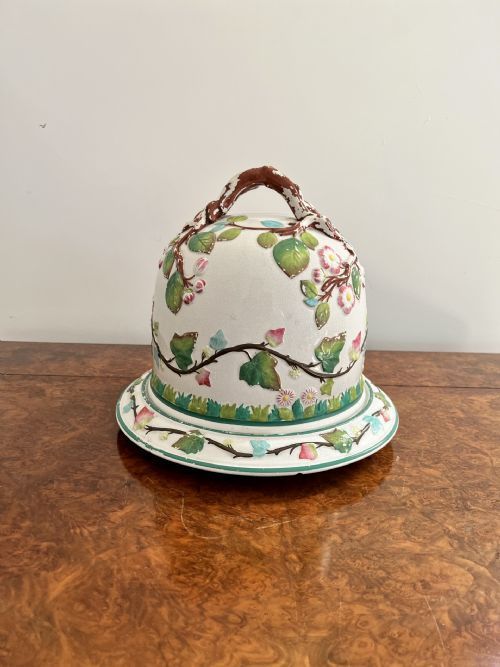


Cream Glazed Ceramic Mould
These cream glazed ceramic mould examples span eras from the eighteenth century to the twentieth, offering functional kitchenware shaped with sculptural depth.
Cream Glazed Ceramic Mould
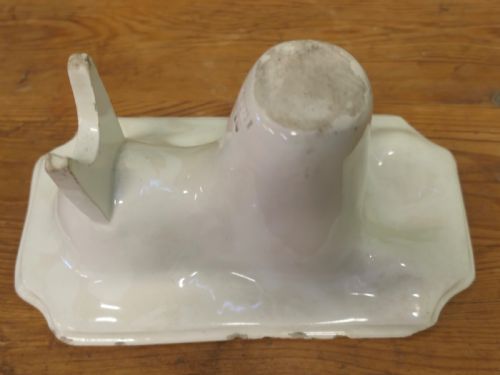
A cream glazed ceramic mould represents historic culinary and decorative ceramic production, typically found as jelly moulds modelled in animal or architectural forms. Such pieces combine practical kitchen utility with sculptural design intended for display or table service.
The selections available here reflect domestic and decorative output across the eighteenth, nineteenth, and early twentieth centuries. Specific regional pottery traditions and larger factories both contributed to the surviving corpus of glazed earthenware and stoneware objects.
How They Were Made
Potters utilised earthenware, creamware, porcelain, and saltglazed stoneware to form these vessels, applying smooth or tinted glazes over fired clay bodies. Complex shapes required multi-part moulds to capture fine surface details like the fur of a lion or the fluting of architectural designs.
Kiln firing techniques imparted durability to the dense ceramic fabric, ensuring the wares could withstand repeated kitchen use. Surface finishes relied on the natural warmth of creamware or specialised salt-glazing methods to seal the porous clay.
Listings feature ceramics spanning the eighteenth, nineteenth, and early twentieth centuries, encompassing periods from Georgian elegance to Edwardian production.
What Varies in Quality
Quality rests upon the crispness of the moulded relief and the evenness of the glaze application across intricate contours. Sharply defined details indicate a fresh master mould, whereas softer lines suggest worn tooling during production.
The sophistication of the form and the ambition of the original design separate standard kitchen utility pieces from more decorative exhibition examples. Colour consistency and the absence of distortion during the high-temperature firing process further distinguish superior specimens.
The Cream Glazed Ceramic Mould Glossary
- Creamware
- A fine earthenware developed in the eighteenth century, distinguished by a pale straw or cream-coloured transparent lead glaze. It revolutionised domestic tableware with its light weight and clean appearance.
- Saltglazed Stoneware
- A dense, impermeable ceramic achieved by throwing salt into the kiln during high-temperature firing, which reacts with the silica in the clay body to produce a pebbled, orange-peel texture.
- Earthenware
- Porous pottery fired at lower temperatures, requiring an impermeable glaze to hold liquids and food safely. It remains the most common substrate for historic domestic kitchen vessels.
- Glaze
- A glassy coating fused to the ceramic body through firing, designed to colour, decorate, or waterproof the piece. Historic glazes vary from clear lead formulas to rich coloured slip variations.
Cream Glazed Ceramic Mould: Frequently Asked Questions
What were these moulds used for?
Historic ceramic moulds shaped jellies, aspics, and moulded puddings for formal dining tables, turning semi-solid ingredients into decorative centrepieces. Cooks packed ingredients inside the hollow cavity before chilling and unmoulding the dish onto a platter.
Beyond the kitchen, many survived simply because their sculptural forms made them desirable decorative items for domestic interiors, particularly as kitchen display collections gained popularity in later decades.
How can I tell the period of a mould?
Dating relies on identifying the specific ceramic body, such as eighteenth-century creamware versus later nineteenth-century earthenware, alongside stylistic clues embedded in the relief design. Georgian and Victorian decorative motifs reflect the prevailing aesthetic tastes of their respective decades of manufacture.
Examining the foot ring, base characteristics, and glaze pooling patterns helps experienced collectors place pieces within broader historical manufacturing windows.
Can I still use antique moulds for cooking?
While historic ceramics remain structurally solid, using century-old pieces for modern food preparation carries risks due to potential micro-cracks harbouring bacteria and older glaze compositions containing historical minerals. Most collectors choose to display them rather than risk culinary use.
If utilised, ensure the piece has no structural fractures and treat it with extreme care to preserve the integrity of the antique ceramic body.