



Cream Fabric Seats
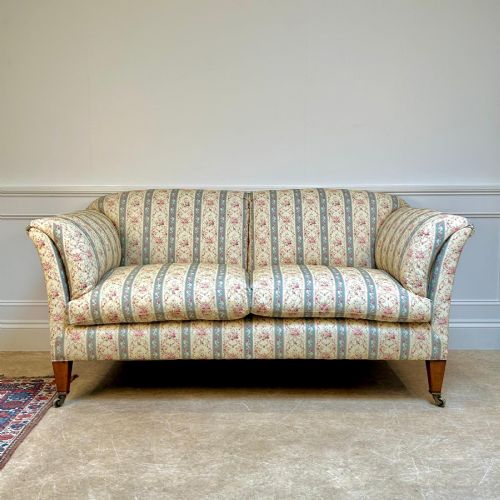
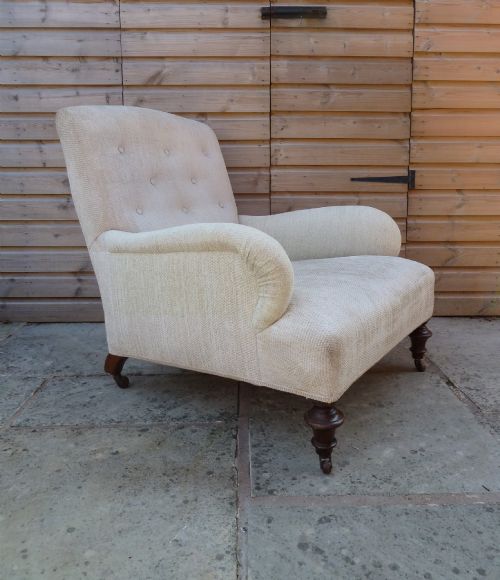
Cream fabric seats bring understated comfort to a room, ranging from mahogany dining chairs to deep-sprung country house sofas.
Cream Fabric Seats
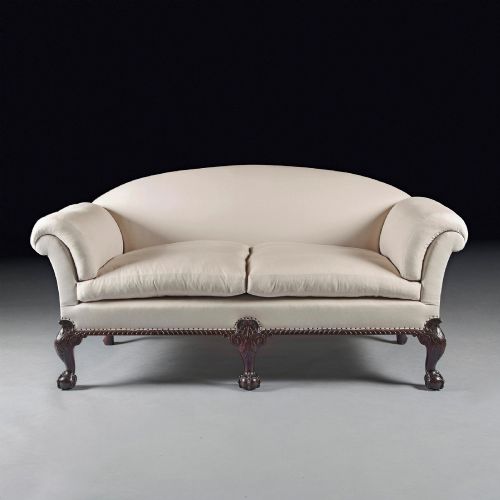
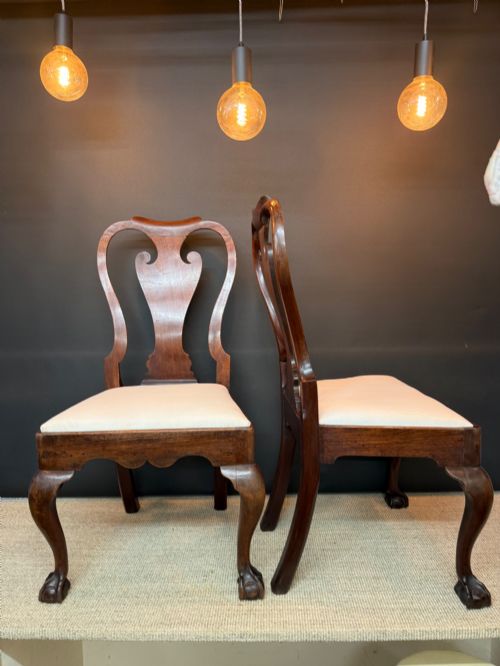
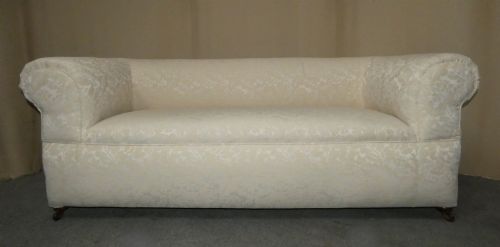
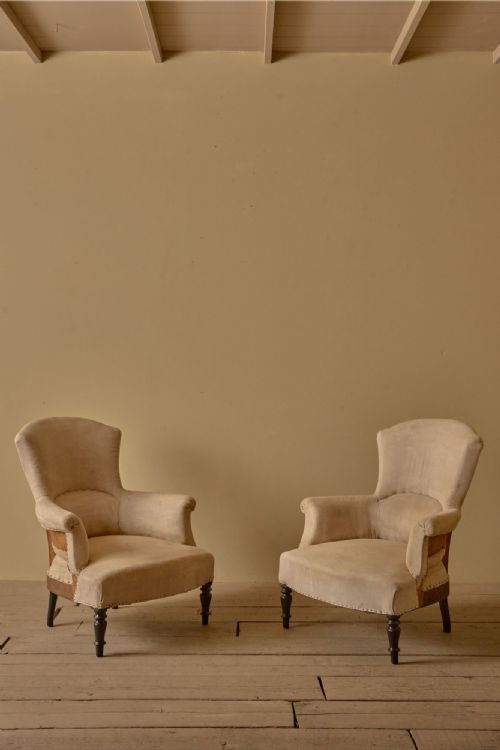
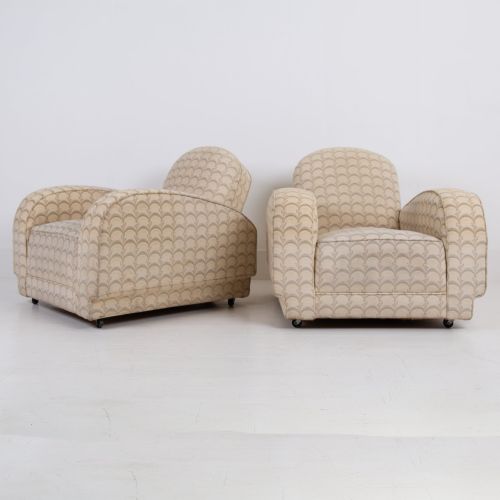
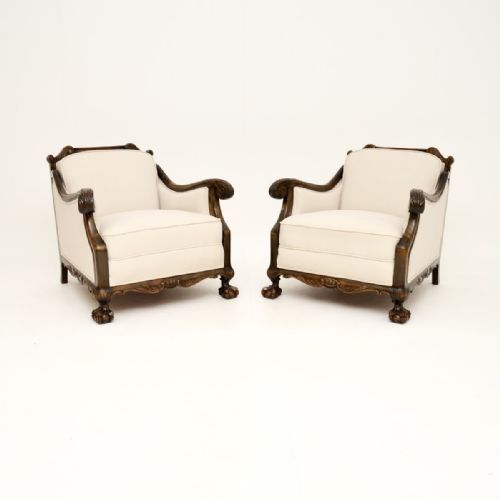
Cream fabric seats encompass a wide variety of upholstered antique furniture designed for sitting and lounging, unified by pale textile coverings. When searching for cream fabric seats, buyers encounter dining chairs, armchairs, club chairs, and large settees dating from the eighteenth century through to the twentieth century.
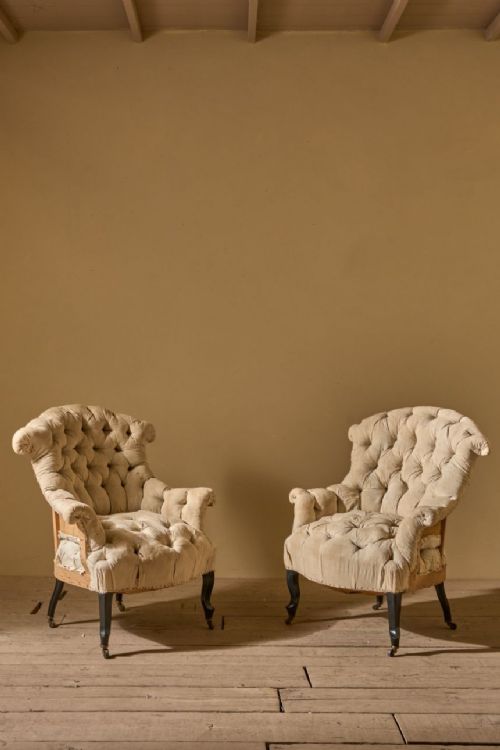
The selection includes formal Georgian and Sheraton dining sets alongside relaxed Edwardian and Victorian country house sofas. French styles such as Louis XV and Napoleon III also appear, often featuring painted wood frames or buttoned upholstery.
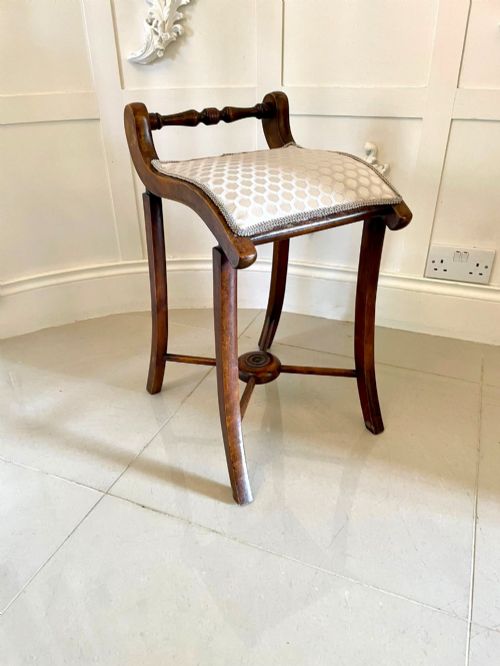
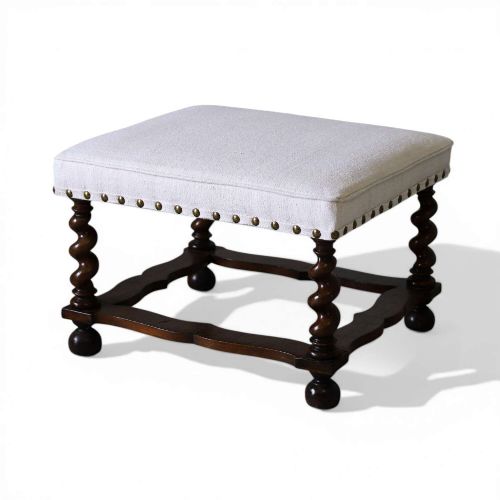
Stools and window seats provide smaller options within the category, while Howard and Sons pieces represent high-end nineteenth-century seating. Walnut, mahogany, satin birch, and painted timber form the primary wooden frames beneath the fabric.
Materials and construction
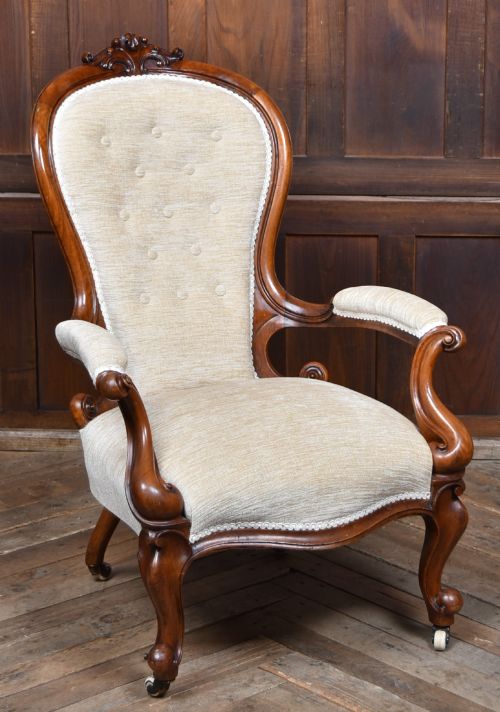
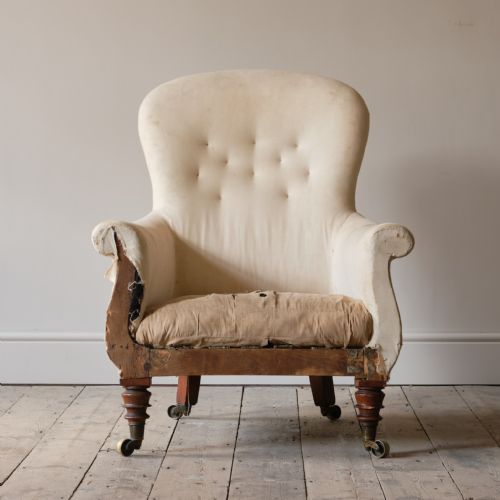
Makers utilised sturdy timbers such as mahogany, walnut, and birch to build the structural frames of these seats, often incorporating carved details or turned legs. Brass castors frequently support the heavier armchairs and sofas, particularly on nineteenth-century examples.
Upholstery relies on traditional textiles including linen, calico, and cotton fabrics stretched over internal webbing and padding. Buttoning, hand-tack framing, and tailored cushion construction define the finish of the better upholstered pieces.
Cream Fabric Seats Retail Price Guide 2026
Typical asking prices for cream fabric seats among the pieces listed under this phrase on Sellingantiques today, from the lower quarter to the upper quarter. They describe what is for sale here now, not the wider market.
Wooden frames span mahogany, walnut, satin birch, and painted timber, paired with fabrics like linen, calico, and recycled cotton.
Judging quality in upholstered seating
Quality rests primarily in the integrity of the wooden frame and the depth of the original joinery beneath the upholstery. Pieces with robust timber frames, such as solid mahogany or walnut, endure decades of use without structural looseness.
The sophistication of the maker's stamp or workshop attribution elevates certain armchairs and sofas, notably pieces bearing marks from established firms like Howard and Sons. Finer seating also displays careful proportion in the arms and back, alongside disciplined carving on exposed wood.
Howard And Sons·Trollope And Sons
The Cream Fabric Seats Glossary
- Calico
- A plain-woven textile, usually unbleached cotton, commonly utilised as a foundational lining beneath top upholstery fabric.
- Satin Birch
- A pale, fine-grained timber often employed in Scandinavian and European furniture to create a smooth, luminous surface finish.
- Shield Back
- A chair back shaped like a heraldic shield, popularised during the Georgian and Sheraton periods.
- Stretcher
- A horizontal wooden brace connecting the legs of a chair or table to increase overall stability.
Cream Fabric Seats: Frequently Asked Questions
How do I clean antique cream fabric?
Maintenance depends entirely on the specific textile used, whether linen, cotton, or calico. Gentle surface brushing or professional upholstery cleaning preserves the delicate fibres without damaging the underlying structure.
Avoid harsh chemical treatments that might discolour the pale fabric or weaken aged threads. Consulting a specialist ensures the textile survives years of domestic use.
Are these seats suitable for daily use?
Many nineteenth and twentieth-century armchairs and dining sets were built for robust everyday living. Sturdy hardwood frames provide the structural foundation necessary for regular sitting.
Delicate French boudoir chairs or pieces with intricate decorative carving require a more gentle approach. Checking the internal webbing and joints helps determine daily suitability.
What defines a country house style?
Country house seating prioritises deep, unstructured comfort over rigid formal posture. Generous proportions and soft cushioning characterise these relaxed armchairs and settees.
They blend effortlessly into various interior schemes due to their neutral cream upholstery and unpretentious wooden frames. This aesthetic evolved across the Victorian and Edwardian eras.
How do I identify a nineteenth century armchair?
Nineteenth-century armchairs often feature distinct stylistic markers such as buttoned backs, turned wooden legs, and brass castors. Proportions tend to be generous, with sprung seats introduced widely during this period.
Maker stamps, particularly on the wooden frame or castors, offer definitive proof of origin. Wood choices like walnut and mahogany further anchor pieces within this era.