



Cream Ceramic Base
These cream ceramic base table lamps and vessels offer subtle elegance, bringing historic porcelain and earthenware forms into modern interiors.
Cream Ceramic Base
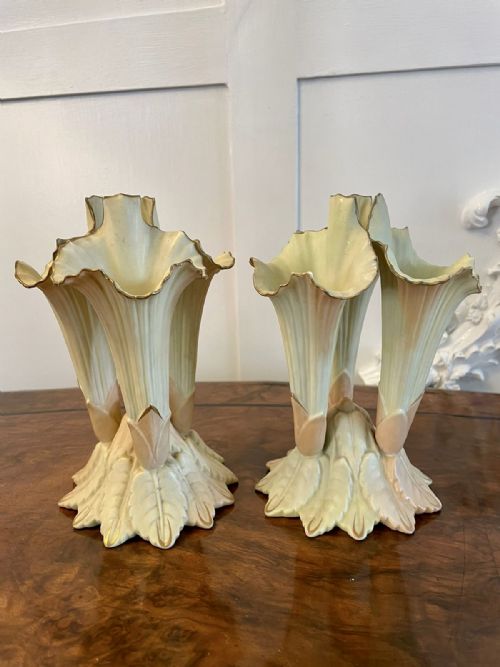
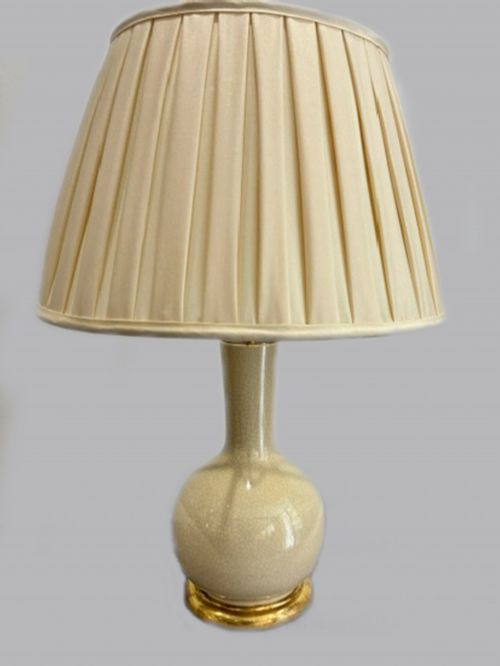
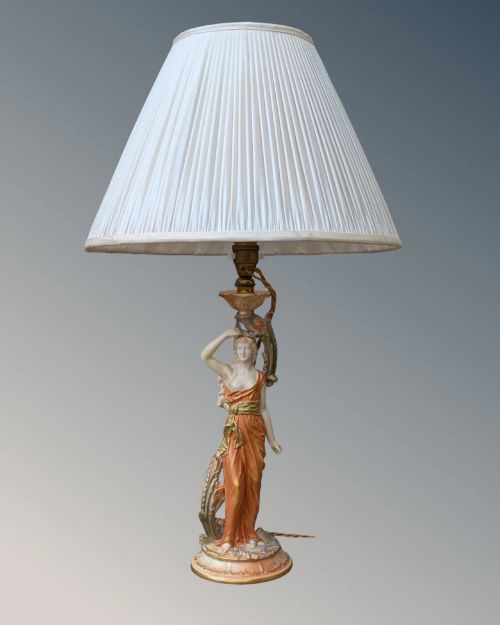
A cream ceramic base encompasses various forms on this page, predominantly table lamps converted from vases alongside spill vases, planters, and figures. Buyers searching for a cream ceramic base encounter Victorian designs, Meiji Period Satsuma wares, and Chinese crackleware.
Materials and construction methods
Potters shaped these bodies from fine porcelain and earthenware, applying crackle glazes, enamel decoration, and creamy slips before kiln firing. Many vessels incorporate applied details such as dolphin supports or rustic bases formed in the clay itself.
Makers integrated metalwork by mounting porcelain bodies onto brass or ormolu bases, occasionally adding gilding to accentuate moulded relief work. Fabric elements complete the lighting pieces, while wiring adaptations transform earlier display vases into functional lamps.
Cream Ceramic Base Retail Price Guide 2026
Typical asking prices for cream ceramic base among the pieces listed under this phrase on Sellingantiques today, from the lower quarter to the upper quarter. They describe what is for sale here now, not the wider market.
Several Victorian greyhounds and porcelain owls stand ready to guard your mantelpiece alongside more conventional vases.
Assessing quality in ceramic bases
Quality reveals itself in the precision of the ceramic body, the delicacy of hand-painted enamel work, and the integration of metal mounts. Finer examples display crisp moulding in figures and floral motifs, whereas simpler items rely on plain glazed surfaces.
The physical condition of the glaze, the stability of any ormolu or brass mountings, and the integrity of the original porcelain body determine the standing of each piece. Converted lamps demonstrate varying degrees of care during electrical adaptation.
Locke & Co.·Royal Worcester·Doulton Burslem·Ernst Bohne & Sohn
The Cream Ceramic Base Glossary
- Crackleware
- Pottery featuring a network of fine microscopic cracks intentionally produced in the glaze layer. This decorative effect appears frequently on nineteenth-century Chinese and French vessels.
- Satsuma
- Japanese earthenware pottery characterised by a fine ivory-coloured crackle glaze decorated with enamel and gilt. These wares were often exported to Europe and later adapted into table lamps.
- Ormolu
- Gilded bronze furniture mounts and decorative hardware used extensively in nineteenth-century European interiors. It provides ornate metal framing for porcelain lamp bases.
- Spill vase
- A small upright vessel designed to hold thin wooden spills used for lighting candles and fires. Many examples survive as decorative mantel ornaments.
- Flambe
- A rich, variegated glaze showing deep copper-red tones achieved through high-temperature reduction firing. This technique produces dynamic colour variation across the ceramic surface.
Cream Ceramic Base: Frequently Asked Questions
What are cream ceramic base lamps?
These lighting pieces utilise historic porcelain and earthenware vessels, such as Chinese vases or Satsuma pots, converted into functional table lamps. They combine neutral ceramic bodies with brass fittings and fabric shades.
Such items bridge historical craftsmanship and modern domestic lighting, preserving antique glazes and forms within everyday interiors.
How do I date a ceramic base?
Dating relies on stylistic clues, glaze characteristics, and any maker marks stamped or painted on the underside. Nineteenth-century examples often display specific regional painting styles and mounting techniques.
Examining the foot ring, the wear on the ceramic, and the construction of any metal mounts helps establish the manufacturing period.
Where were these ceramic pieces made?
The inventory includes European factories from England, France, and Germany alongside Asian workshops in China and Japan. British potteries like Royal Worcester and Doulton Burslem sit alongside Meiji Period Satsuma imports.
Global trade during the nineteenth century brought these diverse ceramic traditions into European homes, where many later underwent conversion for electrical use.
Can I use antique lamps daily?
Antique ceramic lamps function well in daily settings provided their electrical components meet modern safety standards. Many retain their original ceramic bodies while receiving updated wiring for safe household operation.
Placing them on stable surfaces away from heavy traffic protects both the delicate glaze and any associated brass or ormolu mounts.