





Craftsman Footstool
A craftsman footstool delivers honest construction and solid timber, offering a durable seating piece rooted in the Arts and Crafts movement.
Craftsman Footstool
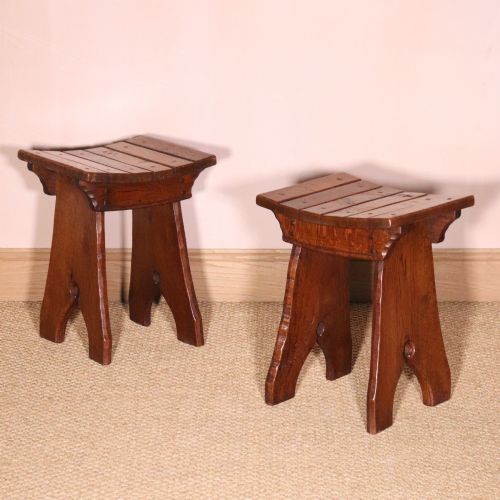
When searching for a craftsman footstool, a buyer encounters low seating pieces primarily fashioned from solid oak, often linked to the Arts and Crafts style or later English craftsman traditions. These pieces span from the nineteenth century through the mid-twentieth century, taking forms such as dressing table stools, piano stools, triangulated stools, and small footstools.
The version most commonly met on this page is the oak stool, built with simple lines and functional intent. Makers of these pieces ranged from known workshops to regional craftsmen working in the early twentieth century.
These items reflect a period of design that valued visible structure and sturdy materials over ornate veneer. They serve utilitarian roles in domestic spaces while displaying distinct period characteristics.
How they were made
Construction relies heavily on solid oak, shaped into frames that expose the grain and natural properties of the timber. Joinery is straightforward and robust, designed to withstand daily use without relying on hidden fasteners.
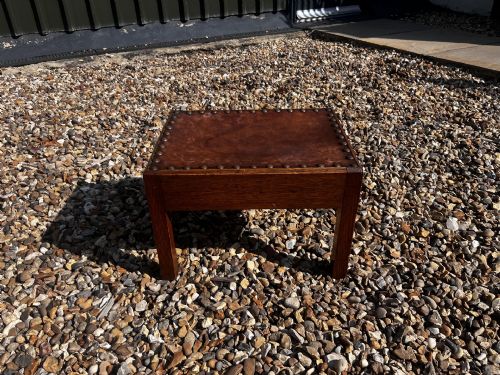
Upholstery methods incorporate materials such as leather, tapestry upholstery, and textiles, secured to the frames using metal studs or brass details. These surfaces complement the wooden framework through contrasting textures and traditional fixing techniques.
Craftsman Footstool Retail Price Guide 2026
Typical asking prices for craftsman footstool among the pieces listed under this phrase on Sellingantiques today, from the lower quarter to the upper quarter. They describe what is for sale here now, not the wider market.
Listings feature pieces spanning the nineteenth century through the 1950s, constructed primarily from oak with leather and tapestry upholstery.
What varies in quality
Quality in these pieces is dictated by the integrity of the timber selection and the precision of the joinery. Stools fashioned from solid oak with carefully fitted joints represent a higher standard of construction than simpler utility pieces.
The execution of secondary materials, such as leather seats and metal studwork, further separates workshop pieces from standard domestic furniture. Attributed works by named makers show a greater level of refinement in proportion and finish.
Arthur Simpson Of Kendal·Jack Grimble·David Oakleafman Langstaff
The Craftsman Footstool Glossary
- Arts and Crafts
- A design movement originating in the late nineteenth century that emphasised handcraftsmanship, traditional materials, and simple forms. It rejected mass production in favour of visible construction and quality timber.
- Solid oak
- A heavy, durable hardwood utilised extensively for furniture frames and structural elements. It displays prominent grain patterns and ages with a deep patina.
- Tapestry upholstery
- A woven textile used to cover seat pads, often featuring traditional patterns. It provides a softer texture against the rigid wooden frames.
- Metal studs
- Small decorative or functional fasteners driven into upholstery edges to secure fabric to the wooden base. They add a metallic accent to the textile and timber combination.
Craftsman Footstool: Frequently Asked Questions
What is a craftsman footstool?
A craftsman footstool is a low wooden seating piece, typically constructed from solid oak during the late nineteenth or early twentieth centuries. These items reflect the principles of the Arts and Crafts movement through straightforward construction and durable materials.
They function as portable seats, foot rests, or dressing table accessories, prioritising utility alongside honest design.
What materials were used to make these stools?
The primary material is solid oak, selected for its strength and distinct grain. Secondary materials include leather, tapestry upholstery, and textiles for the seat pads, secured with metal studs or brass elements.
These components work together to create a balanced piece of functional furniture.
How should I place a footstool in a room?
A craftsman footstool fits naturally beside low chairs or beside a dressing table where a compact seat is required. Its solid timber construction allows it to complement both traditional and contemporary interiors.
Positioning the piece where the wood grain can be seen highlights its construction details.