
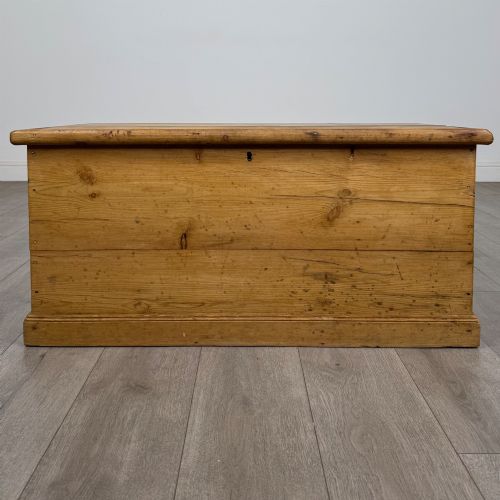
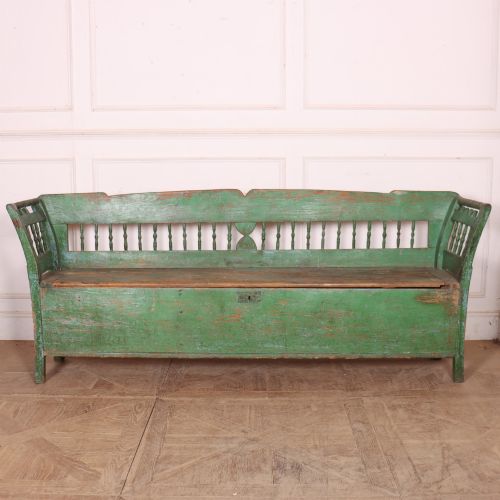

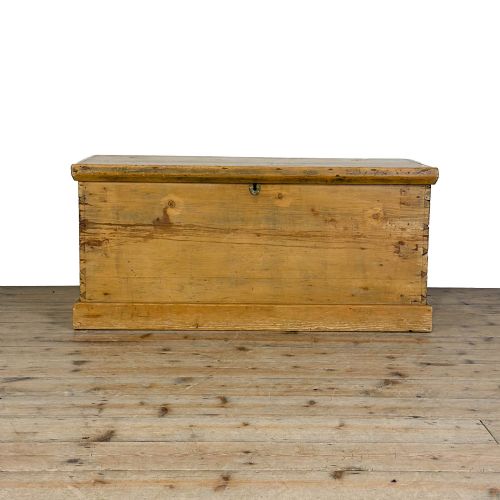
Country Wooden Box
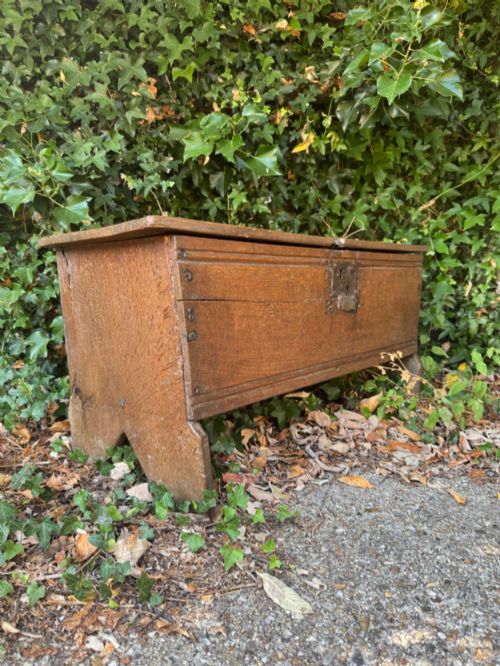
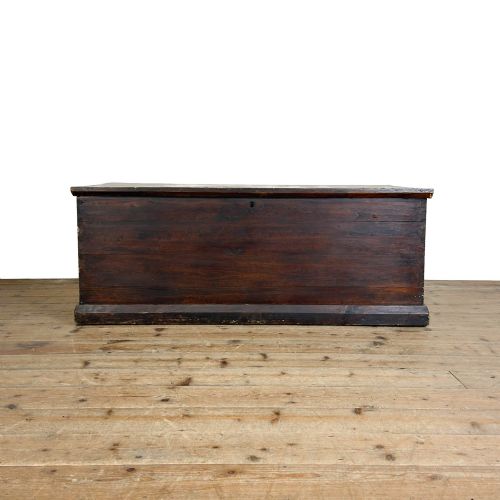
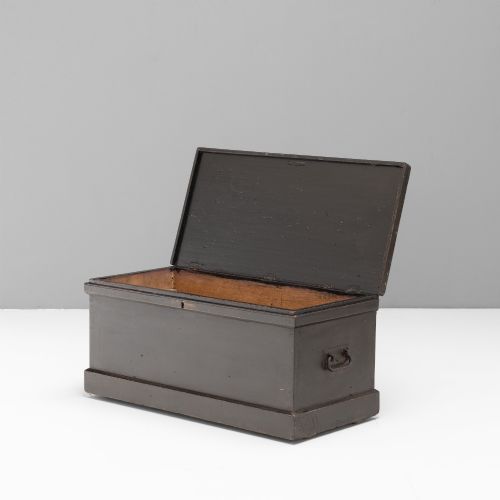
A country wooden box offers honest utility, shaped by generations of domestic service from simple pine blanket chests to robust oak coffers.
Country Wooden Box
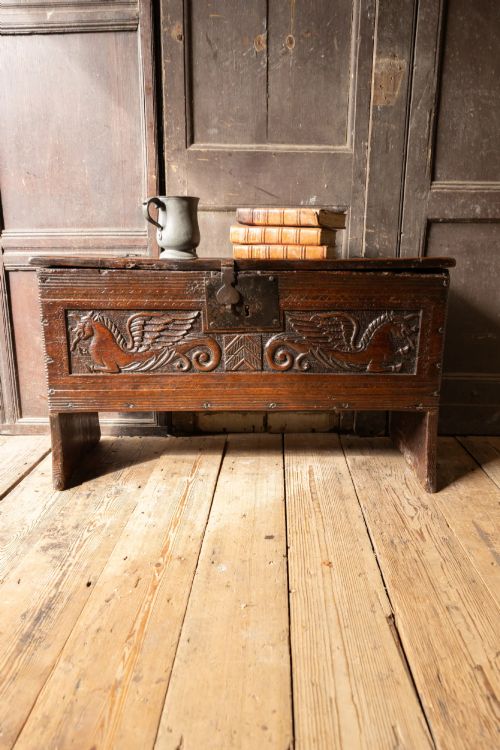
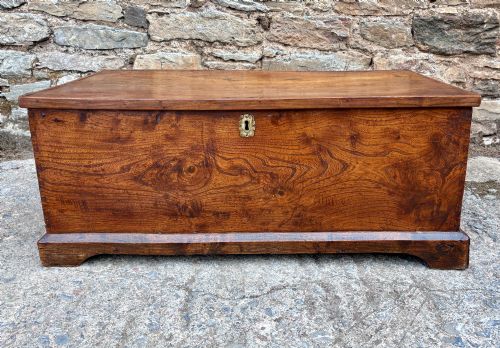
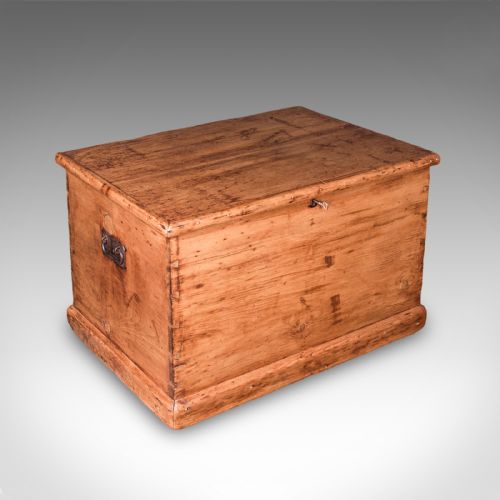
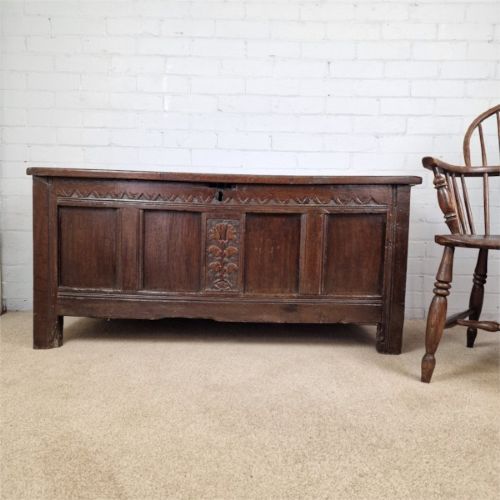
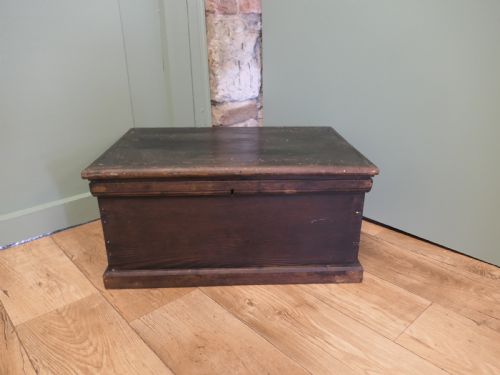
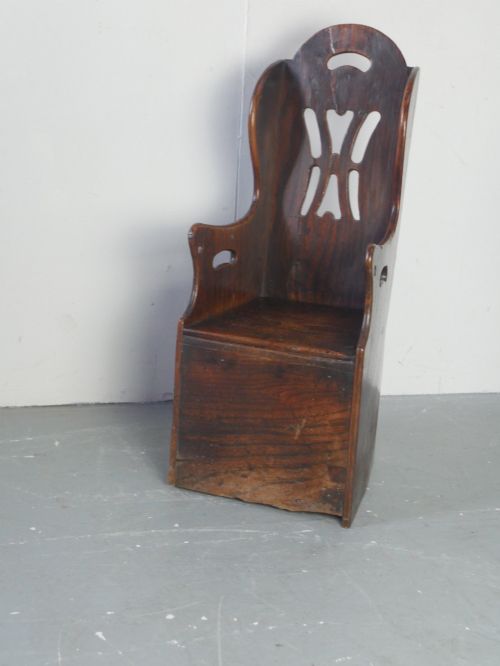
A country wooden box encompasses a variety of domestic storage forms, including blanket boxes, trunks, coffers, bible boxes, and small wall-hanging candle or salt boxes. When searching for a country wooden box, buyers encounter sturdy pieces built for everyday household use rather than formal parlour display.
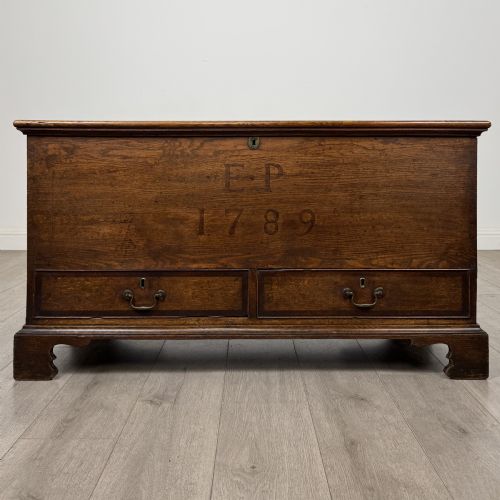
The pieces listed on this page span several centuries, reaching back to sixteenth-century joined construction and extending through Georgian vernacular items into Victorian utility. Pine and oak dominate the selection, appearing alongside elm, walnut, and fruitwood in forms ranging from small wall boxes to large mule chests.
Functional utility dictated the design of these containers, resulting in items like grain bins, log boxes, and correspondence letter boxes alongside traditional blanket storage. Many examples display the plain boards and hand-cut joints characteristic of regional workshops and farmhouse interiors.
Materials and Construction
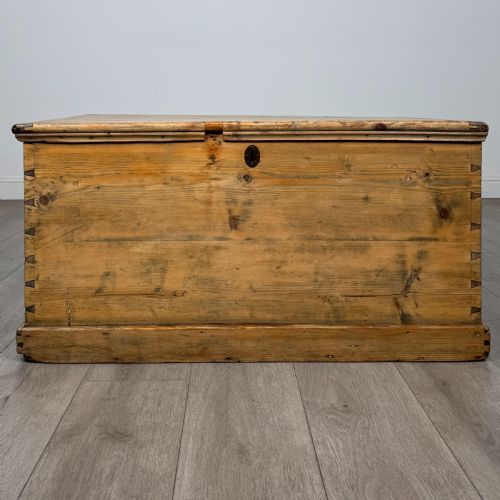
Makers relied on native timbers such as oak, elm, and pine, selecting boards for strength and availability rather than exotic grain. Carpenters utilised simple plank construction, joined coffer techniques, and pegged frames to build containers intended to withstand heavy domestic demands.
Iron and brass hardware, including strap hinges, carrying handles, and latches, provide structural reinforcement while marking the utilitarian origins of each piece. Surface treatments range from unadorned stripped wood to early layers of paint and natural wax finishes built up over generations.
Assessing Quality
Quality in these domestic containers rests on the integrity of the timber and the directness of the construction. Pieces retaining their original boards, hinges, and base structures command greater attention than those rebuilt or heavily altered over time.
The character of the surface timber creates distinction, as dry natural patination and honest signs of wear reveal the age and active history of the box. Superior examples combine balanced proportions with unpretentious regional craftsmanship.
The Country Wooden Box Glossary
- Cofer
- A heavy wooden chest with a lid, traditionally used for storing valuables or household goods. Early examples often feature boarded or panelled construction.
- Mule chest
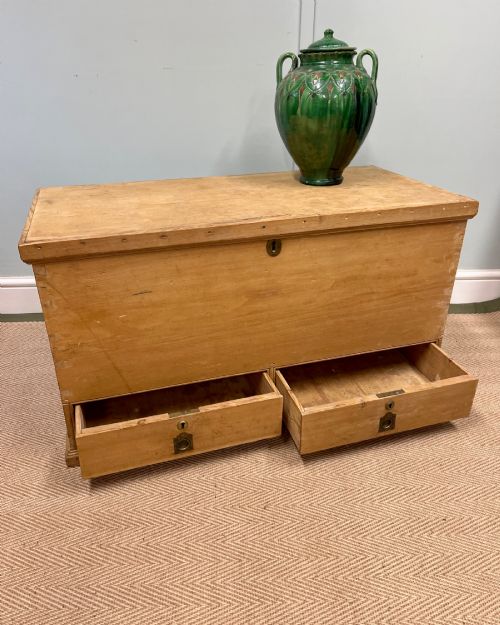
- A chest featuring one or more drawers beneath the main storage compartment. This form developed during the seventeenth and eighteenth centuries to improve accessibility.
- Bible box
- A small tabletop or wall-mounted box with a sloping lid, originally designed to hold sacred texts. These compact containers often incorporate small internal compartments.
- Boarded construction
- A method of building boxes and chests by nailing or pegging solid planks directly together at the edges. This technique represents an early and direct form of carpentry.
- Patina
- The surface sheen and colour developed by wood through age, handling, and regular waxing. Good patination reflects decades of domestic use.
Country Wooden Box: Frequently Asked Questions
What were country wooden boxes used for?
These containers served practical storage needs in domestic interiors, holding textiles, valuable documents, candles, and dry foodstuffs. Smaller boxes hung on walls to keep provisions secure and accessible.
Larger chests and coffers protected blankets, winter clothing, and household linens from dampness and pests in farmhouses and country houses.
How do I date an old wooden box?
Dating relies on examining the construction methods, tool marks, and hardware integrated into the piece. Hand-wrought iron hinges, pegged joints, and timber species often point toward specific centuries.
Early pieces utilise boarded or joined oak construction, while nineteenth-century items frequently employ machine-sawn pine and simpler butt joints.
Are these boxes suitable for modern storage?
Their sturdy construction makes them practical for organising blankets, shoes, and household items in contemporary living spaces. The internal capacities match modern storage requirements while adding rustic character.
Placing them in dry rooms preserves the timber and prevents the original joints from loosening over time.