



Country Wooden Bowl
A country wooden bowl brings tactile warmth to a room, offering honest utility shaped by centuries of daily rural life.
Country Wooden Bowl
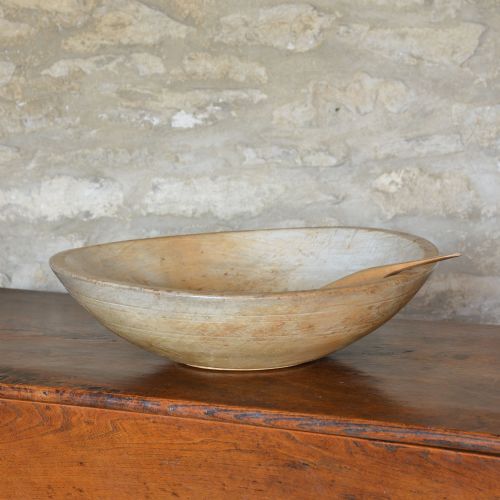
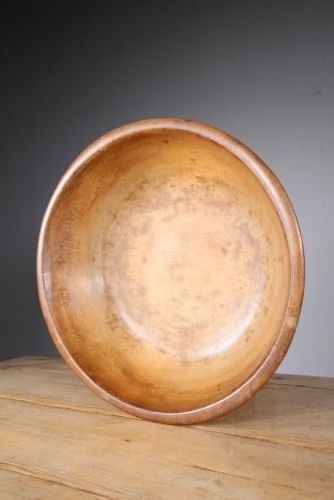
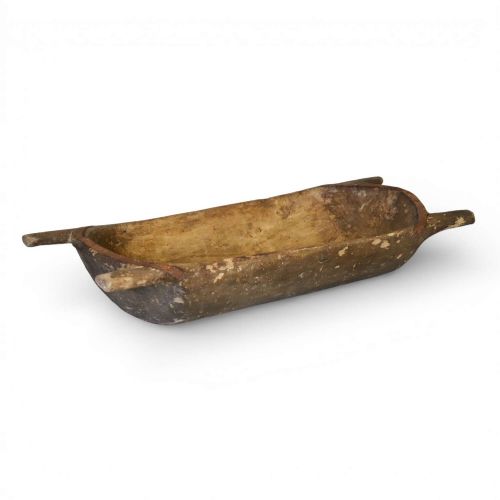
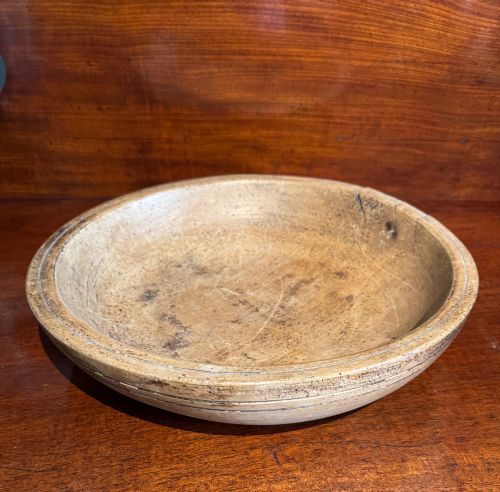
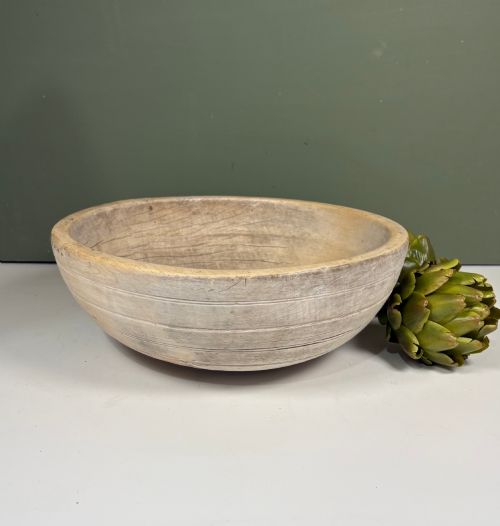
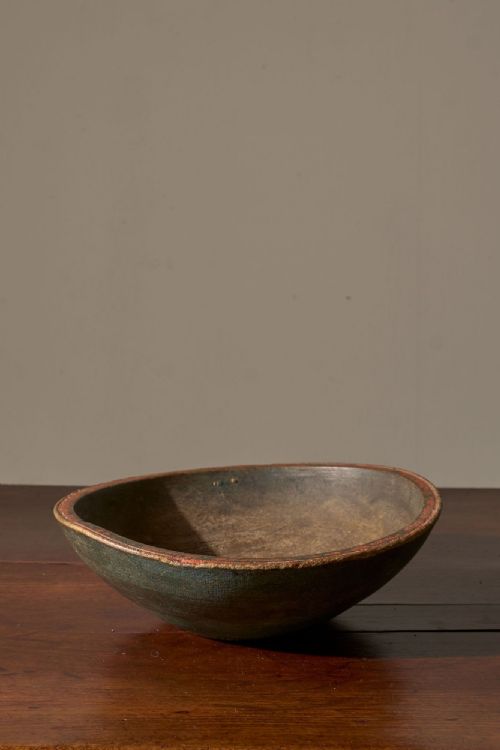
A country wooden bowl serves practical tasks in the historic farmhouse, kitchen and dairy, ranging from mixing dough to holding fruit and collecting liquids. These utilitarian vessels arrive in various forms across the inventory, including French kneading bowls, English dairy bowls and Swedish painted vessels.
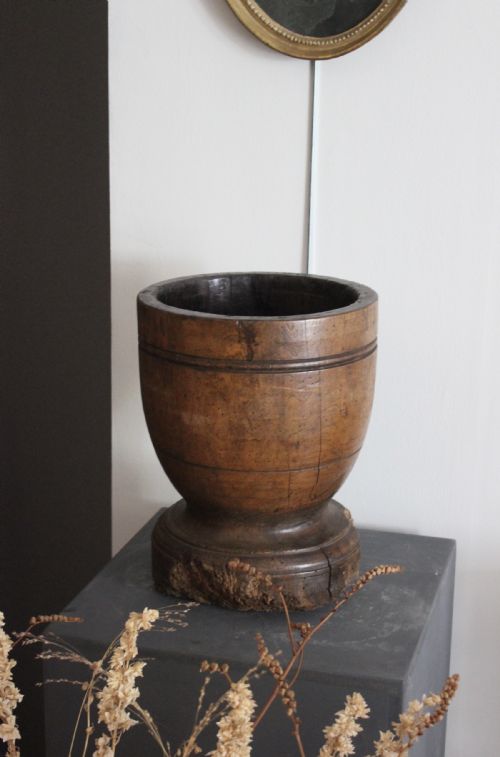
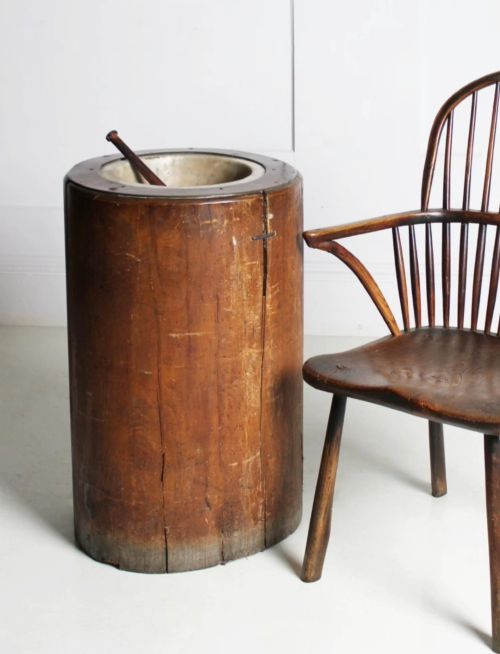
Sycamore and assorted solid timbers dominate the selections found on this page, often shaped into dairy bowls, platters and mortars from periods spanning the seventeenth century through to the early twentieth century. Buyers encounter robust domestic items shaped by regional vernacular traditions in England, Wales, France and Sweden.
The rustic character of each piece reflects its working origin rather than formal salon design. Simple turned or carved forms show the straightforward construction valued in rural households before mass production.
How they were made
Turners and local craftspeople shaped these objects from solid wood using lathes or hand tools such as gouges to hollow out green timber. Sycamore, ash, birch and fruitwood provide the dense base material required for heavy domestic tasks.
Surfaces often display the tool marks of the maker, alongside structural additions like metal reinforcement where wear occurred. Painted finishes appear on specific Scandinavian examples, preserving the underlying timber against moisture and daily use.
Country Wooden Bowl Retail Price Guide 2026
Typical asking prices for country wooden bowl among the pieces listed under this phrase on Sellingantiques today, from the lower quarter to the upper quarter. They describe what is for sale here now, not the wider market.
An unusual treen container listed here likely served the specific domestic task of collecting wine dregs.
What varies in quality
The distinction between ordinary utility items and superior examples lies in the depth of the patina and the harmony of the proportions. Rich, warm patination achieved through decades of handling and cleaning elevates an everyday vessel into a piece of visual consequence.
Survival of original surfaces, such as early paint or uncompromised tool work, defines the better tier of these objects. Heavy restoration or aggressive modern sanding strips away the historic skin that collectors prize.
The Country Wooden Bowl Glossary
- Dairy bowl
- A wide, shallow vessel traditionally utilised for setting milk to allow cream to rise to the surface. These items are frequently turned from sycamore to prevent tainting the dairy produce.
- Treen
- Small handmade wooden household objects produced before the widespread adoption of modern plastics and ceramics. The term encompasses bowls, mortars, platters and spoons.
- Dough bowl
- A large trough-like container shaped for kneading bread flour in farmhouses. French examples often display deep sides and extended handles.
- Patina
- The surface sheen and colour acquired by timber over long periods of use, exposure and waxing. A deep patina indicates genuine age and regular handling.
- Vernacular
- Objects designed and built by local craftspeople to serve specific regional needs rather than following academic architectural or artistic styles.
Country Wooden Bowl: Frequently Asked Questions
What were country wooden bowls used for?
These vessels performed essential chores in rural homes, from kneading bread dough and setting dairy milk to holding fruit or gathering garden produce.
Their robust construction suited the heavy demands of farm kitchens before lightweight manufactured wares became common.
How do I clean an antique wooden bowl?
Maintain the surface by wiping with a slightly damp cloth and drying immediately with a soft towel. Avoid soaking the timber in water or using harsh detergents.
Occasional application of food-safe mineral oil or beeswax helps preserve the historic dry finish without creating a sticky buildup.
How can I tell the age of a wooden bowl?
Age is indicated by the tool marks left from hand-turning or adzing, the type of timber utilised, and the depth of the patination. Examining the base and rim often reveals the method of manufacture.
Comparison with documented examples from specific periods helps narrow down the probable decade of origin.
Are these bowls safe for serving food?
Many historic vessels feature porous surfaces, historic wear, or residual finishes that make them unsuitable for direct contact with moist foods. Evaluating the condition of the interior helps determine whether to use the piece for dry items or purely for display.
Displaying them as decorative objects protects the aged timber from further moisture damage.