


Country Pine Shelves
Country pine shelves bring straightforward utility and warmth to a room, offering practical storage through open bookcases, wall racks and dresser bases.
Country Pine Shelves
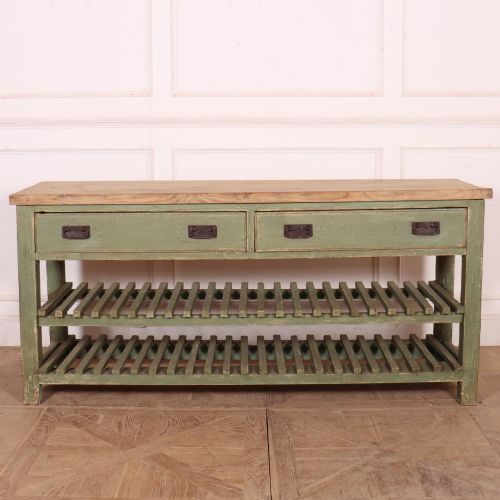
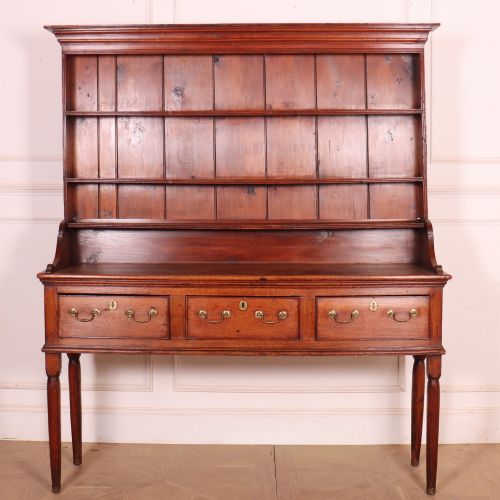
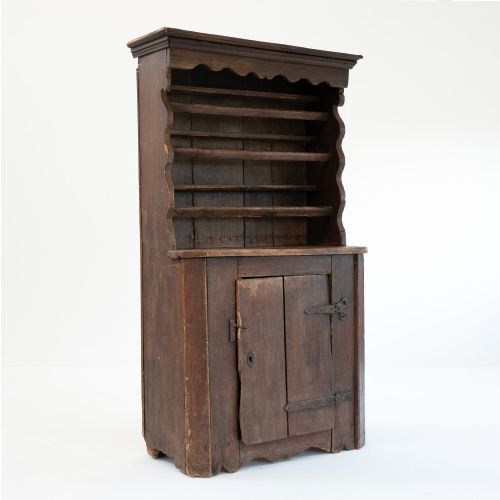
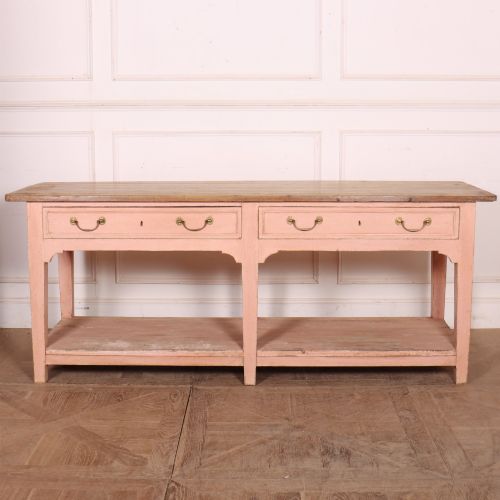
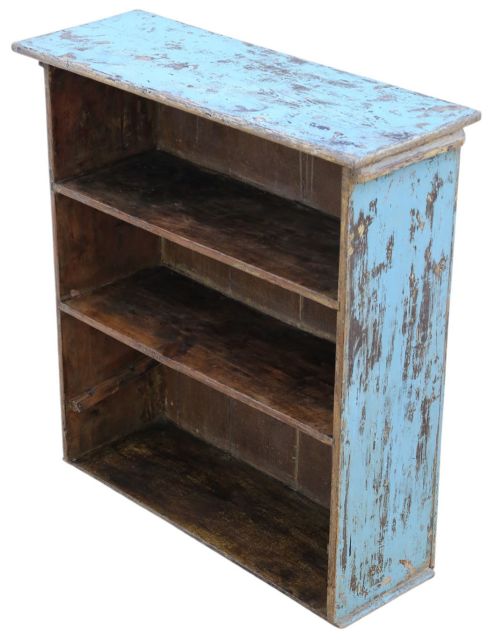
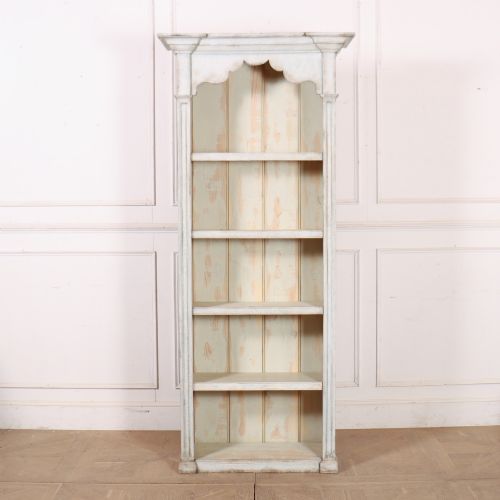
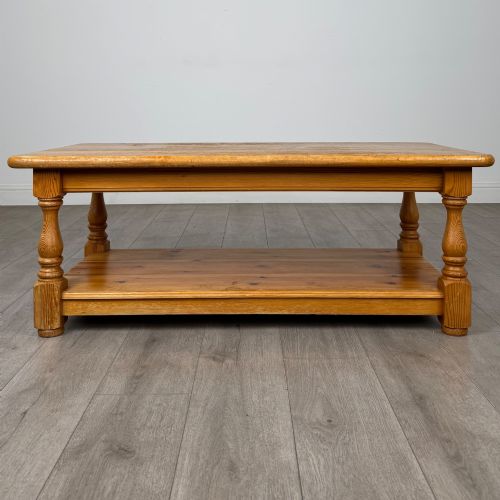
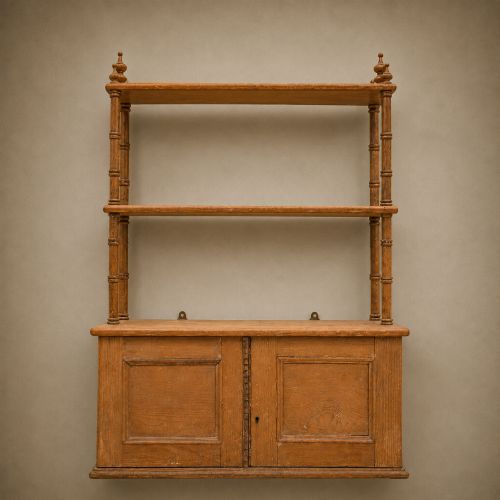
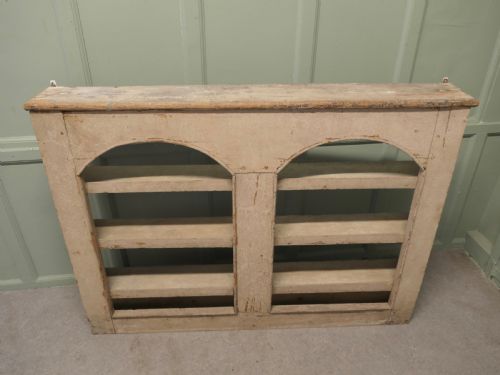
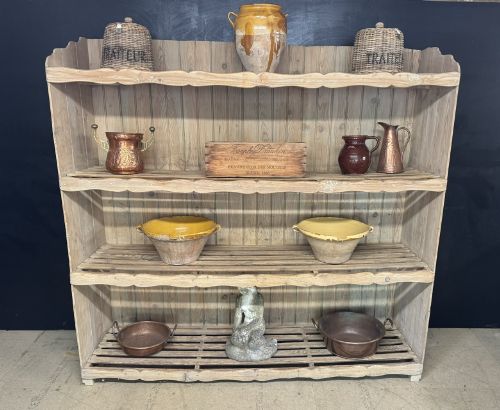
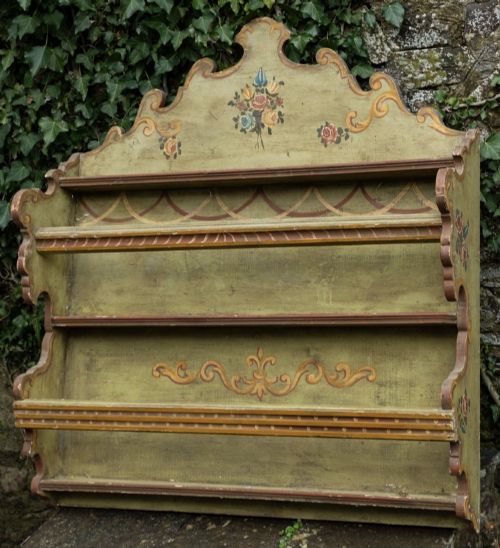
The version most commonly met here is the open pine bookcase or wall shelf, often bearing the marks of active domestic service through historic painted surfaces or waxed finishes. Pieces range from simple wall-hung kitchen racks to tall freestanding bookcases and low dresser bases incorporating potboards or cupboards.
Regional variations emerge across the listings, from Scottish and Welsh dresser bases to French provincial cupboards and English farmhouse shelving. Buyers select these pieces for their unpretentious proportions and the honest utility inherent in vernacular domestic carpentry.
Materials and Construction
Carpenters utilised native softwoods, predominantly pine and deal wood, supplemented by oak for structural elements and occasional iron or brass hardware. Boards were hand-planed and joined using traditional techniques suitable for everyday furniture destined for farmhouses and country kitchens.
Surfaces received either clear waxing to nourish the timber or layers of paint, with many pieces retaining historic blue or decorative painted finishes applied during their working lives. Construction prioritises functional longevity, resulting in sturdy framework designed to bear the weight of books, crockery and household stores.
Country Pine Shelves Retail Price Guide 2026
Typical asking prices for country pine shelves among the pieces listed under this phrase on Sellingantiques today, from the lower quarter to the upper quarter. They describe what is for sale here now, not the wider market.
Listings feature country pine shelves spanning the eighteenth, nineteenth and early twentieth centuries, alongside occasional oak and painted variants.
Evaluating Quality in Country Pine
Quality rests in the integrity of the original construction and the character of the timber surfaces, where genuine age shows through natural wear rather than manufactured distress. Finer examples maintain balanced proportions and original backboards, cornices and shelving adjustments without intrusive modern alterations.
The survival of original painted surfaces significantly elevates a piece, particularly where layers have weathered naturally over generations of domestic use. Pieces that retain their structural soundness alongside undisturbed patination represent the pinnacle of this vernacular tradition.
The Country Pine Shelves Glossary
- Deal wood
- A term historical carpenters used for pine and fir timber obtained from northern conifers. It formed the staple material for everyday domestic furniture and shelving throughout the eighteenth and nineteenth centuries.
- Dresser base
- A low sideboard or cabinet featuring cupboards or drawers, sometimes incorporating a lower potboard shelf. These sturdy bases frequently supported plate racks or upper shelving units in country kitchens.
- Potboard
- An open lower shelf fitted beneath a dresser base or table, traditionally utilised for storing heavy pots, pans and earthenware. This structural feature provides extra rigidity to the legs.
- Delft rack
- A wall-mounted shelving unit designed specifically to display plates and ceramic tableware upright in grooves. These racks often feature shaped friezes and multiple display tiers.
- Patina
- The surface sheen and colour acquired by wood and paint over decades of handling, exposure to light and regular cleaning. It serves as a visual indicator of genuine age and continuous use.
Country Pine Shelves: Frequently Asked Questions
How were these shelves used historically?
These pieces served primary domestic functions such as holding kitchen crockery, storing pantry provisions and displaying household books within busy rural homes.
Wall-mounted racks kept plates within reach of the work surface, whilst larger bookcases and dresser bases organised household libraries and provisions.
How do I style country pine in a modern home?
Country pine shelving integrates easily into contemporary interiors by introducing natural texture, warmth and practical vertical storage to living spaces and kitchens.
Displaying books, ceramics or kitchenware on these open shelves softens modern minimalist rooms and provides functional display areas.
How can I tell different periods apart?
Dating relies on observing construction methods, timber depths, joinery marks and the presence of original paint or wax finishes characteristic of specific eras.
Georgian and eighteenth-century examples often display heavier timber scantlings and hand-wrought iron details, whereas Victorian and Edwardian pieces show more standardised workshop production.