




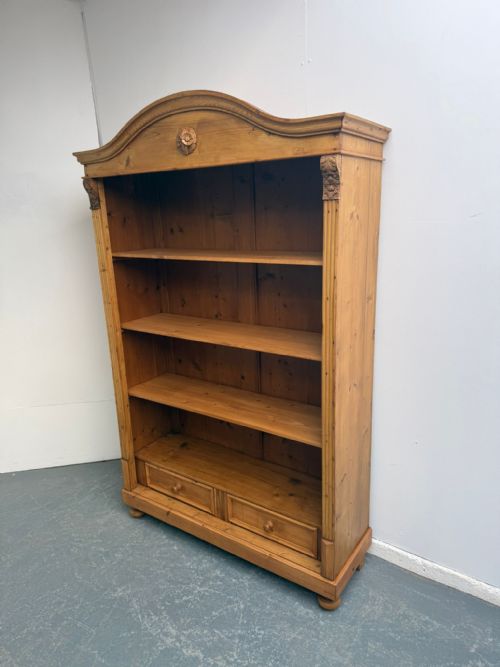
Country Pine Shelf
A country pine shelf brings honest utility and warmth to a room, offering practical display space through straightforward domestic carpentry.
Country Pine Shelf
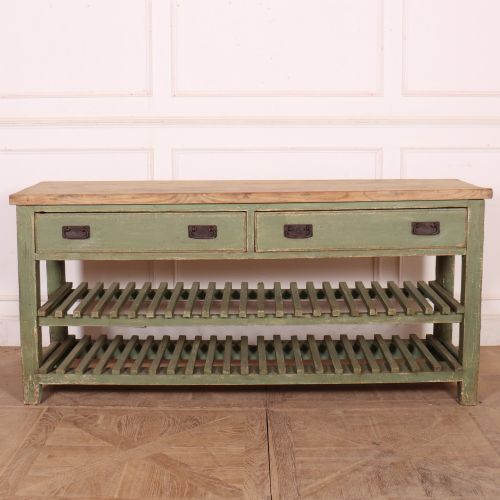
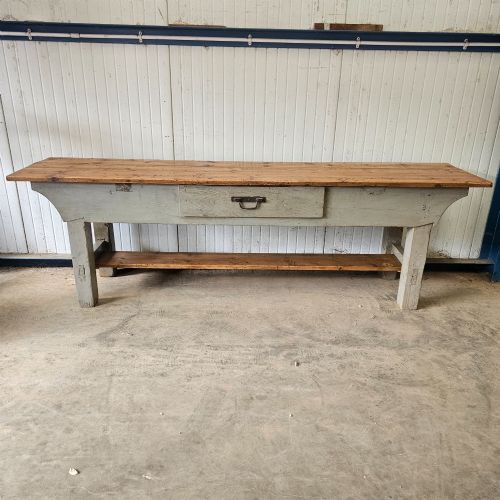
A country pine shelf encompasses practical wall-mounted racks, open bookcases, and plate rails designed for daily domestic service in farmhouses and provincial homes. These pieces range from simple eighteenth-century examples to later twentieth-century iterations.
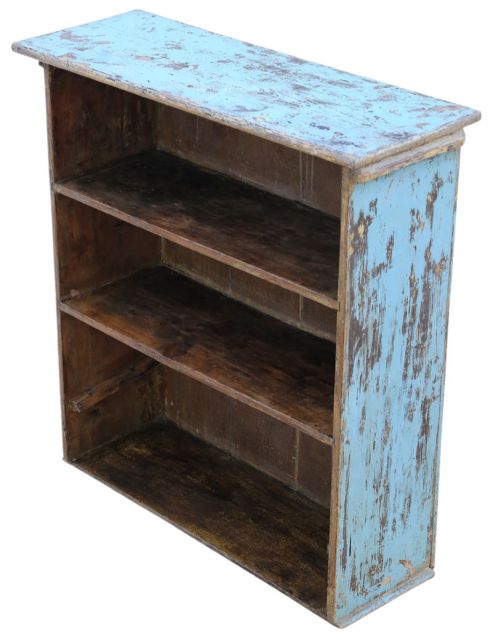
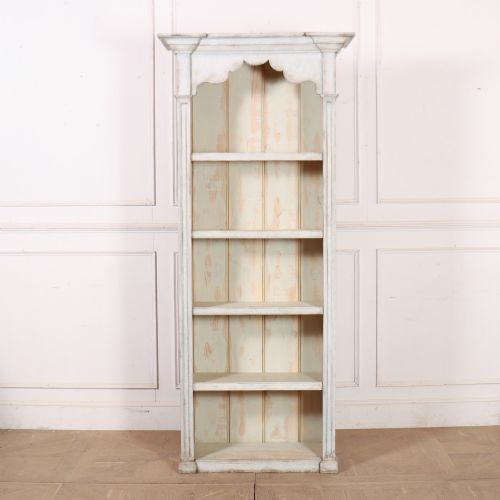
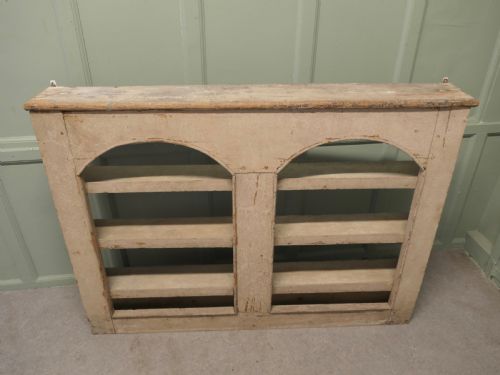
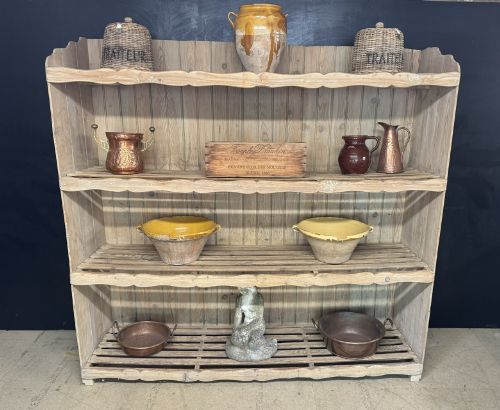
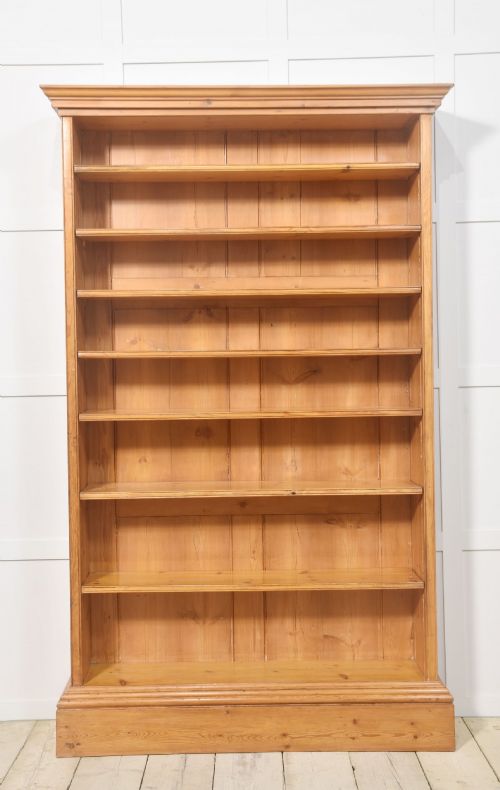
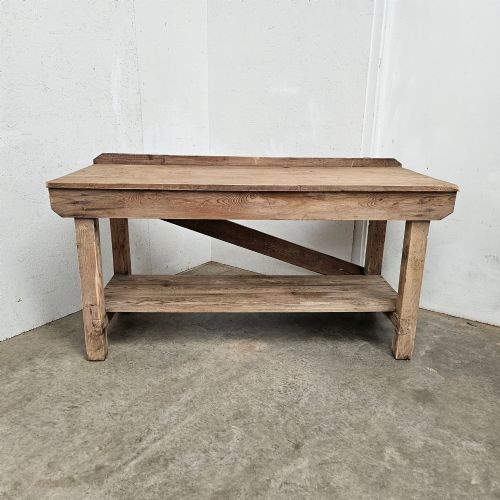
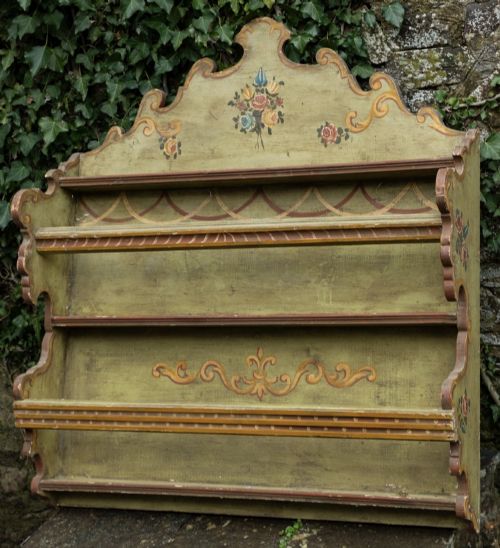
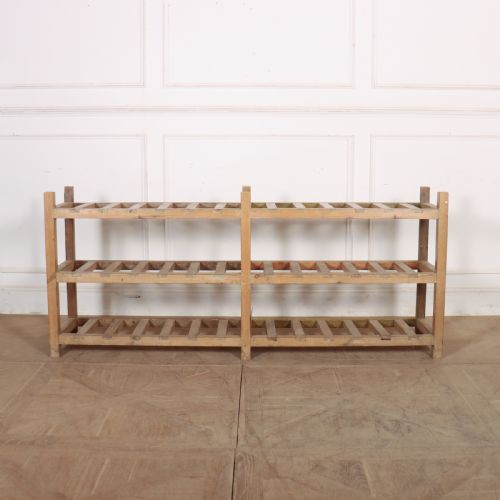
The version most commonly met on this page is the open pine bookcase or wall shelf, often bearing traces of historic paint or a warm waxed finish. They reflect regional English, Scottish, Welsh, French, and Scandinavian traditions of utilitarian furniture.
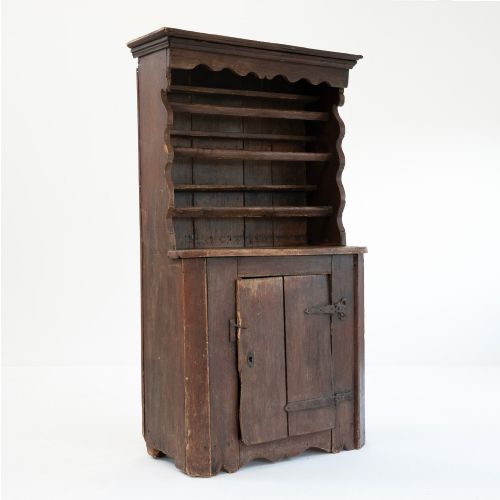
Beyond straightforward shelving, the selection includes related forms like potboard dresser bases, pot shelves, and alcove cupboards that incorporate display surfaces alongside storage. Each piece demonstrates the straightforward construction methods typical of regional workshops.
How they were made
Carpenters utilised native softwood timbers, principally deal and pine, alongside occasional hardwood elements like oak for structural stability. Boards were often hand-planed and joined with simple mechanical fixings suited to vernacular furniture production.
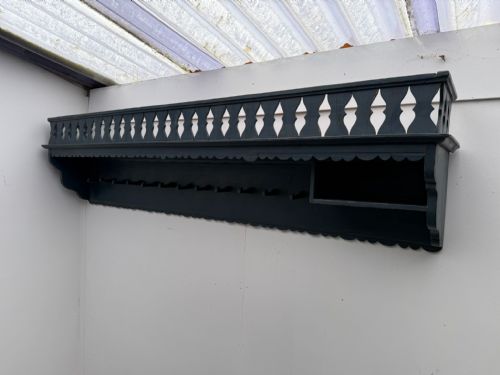
Surface treatments played a central role in finishing these pieces, with many examples retaining layers of historic paint in blue or neutral tones, while others display a natural waxed patina. Metal fittings such as brass hooks or iron brackets occasionally supplemented the wooden framework.
Country Pine Shelf Retail Price Guide 2026
Typical asking prices for country pine shelf among the pieces listed under this phrase on Sellingantiques today, from the lower quarter to the upper quarter. They describe what is for sale here now, not the wider market.
Listings feature eighteenth, nineteenth, and twentieth-century pieces, spanning periods from Georgian and Victorian to Edwardian production.
What varies in quality
Quality rests upon the integrity of the original timber and the restraint of subsequent restorations. Pieces retaining untouched historic painted surfaces or honest patination from decades of domestic use hold greater interest than those stripped down to bare wood.
Proportion and structural honesty separate better examples from routine workshop output. Well-balanced cornices, sturdy side boards, and original backboards indicate careful regional craftsmanship rather than hurried utility work.
The Country Pine Shelf Glossary
- Deal wood
- A softwood timber derived from pine or fir trees, commonly utilised in vernacular furniture making throughout the eighteenth and nineteenth centuries. It provided an affordable and workable material for regional carpenters.
- Potboard
- A lower slatted shelf fitted beneath a dresser base, traditionally used for storing heavy pots and culinary vessels. This feature is particularly characteristic of vernacular English and Scottish dining furniture.
- Plate rack
- A wall-mounted shelving unit incorporating wooden bars or grooves designed to hold dinner plates upright for drying and display. Eighteenth and nineteenth-century examples often form part of larger kitchen dresser arrangements.
- Distressed paint
- Surface decoration showing natural wear, chipping, and fading accumulated through long domestic service. On country furniture, this aged finish is valued for the visual depth it lends to the piece.
Country Pine Shelf: Frequently Asked Questions
How do I date a pine shelf?
Dating relies upon construction methods, timber characteristics, and fixings rather than precise maker marks, which are seldom present on vernacular furniture. Hand-sawn boards, square-headed nails, and pegged joints typically point towards eighteenth or early nineteenth-century origins.
Later Victorian and twentieth-century pieces often display machine-cut timber and standardised hardware. Examining the backboards and interior surfaces reveals the extent of hand tool work used during manufacture.
Are painted pine shelves original?
Many country shelves retain historic layers of paint applied during their working lives in provincial homes. Determining originality involves inspecting the paint for craquelure, wear patterns, and underlying timber preparation that matches the age of the piece.
Later overpainting is common, as domestic furnishings were frequently redecorated to suit changing interior fashions. Careful surface examination under daylight helps distinguish primary paint layers from subsequent decorative treatments.
Where should I place a wall shelf?
Wall-mounted racks and small shelving units function effectively in kitchens, hallways, or living spaces where floor area is limited. Secure fixing directly into wall studs is essential to support the weight of timber and displayed objects safely.
Keeping pine away from direct heat sources prevents the softwood from drying out and warping over time. Allowing adequate clearance around the piece ensures it sits comfortably within the proportions of the room.
How do I care for waxed pine?
Maintaining a waxed pine surface requires occasional application of traditional beeswax polish to nourish the timber and preserve its finish. Soft cloths should be used for dusting to avoid scratching the softer softwood fibres.
Water and excessive moisture should be kept away from untreated or waxed wood to prevent staining and grain raising. Gentle cleaning with a dry or barely damp cloth preserves the accumulated patina of the piece.