




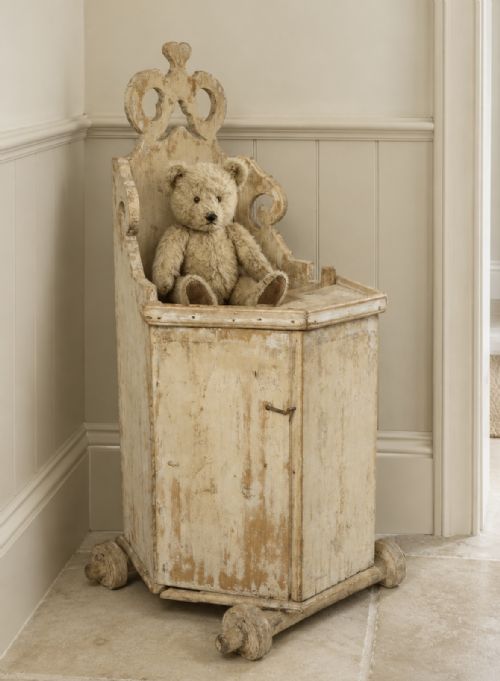


Country Pine Chair
These country pine chair examples bring honest utility and regional character into a room, shaped by generations of domestic use.
Country Pine Chair
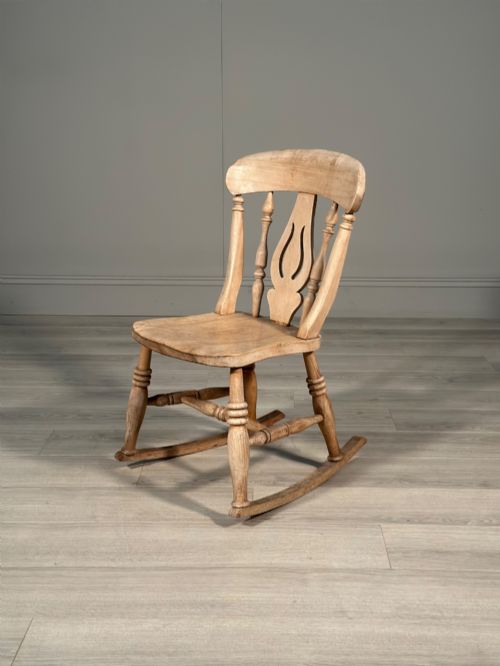
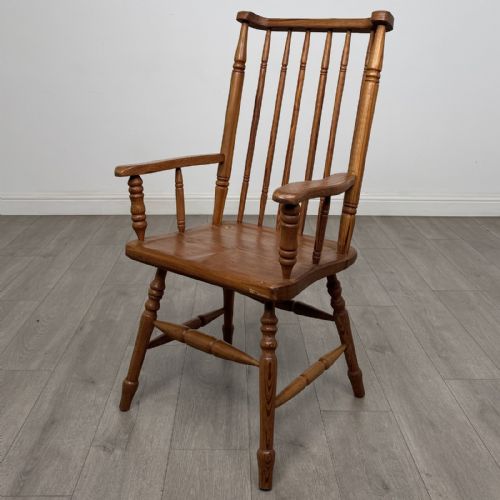
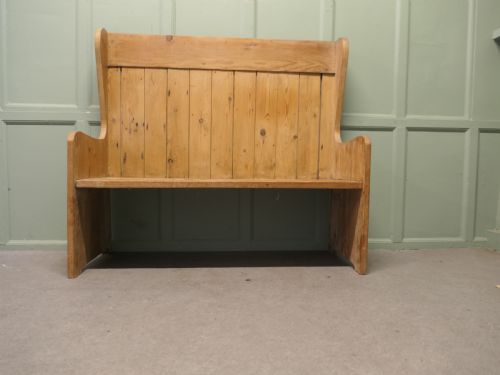
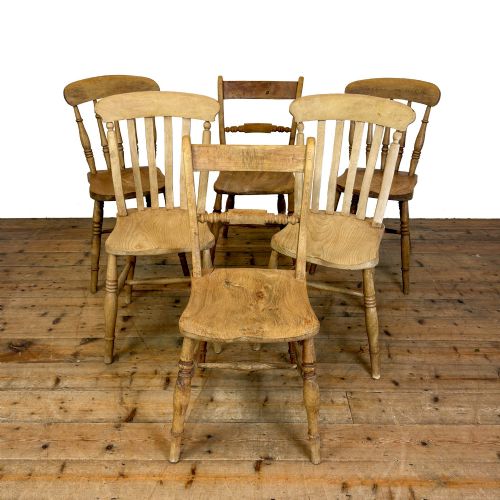
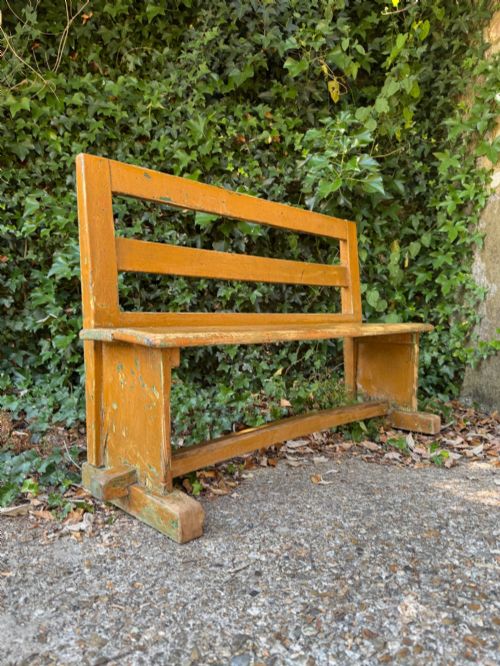
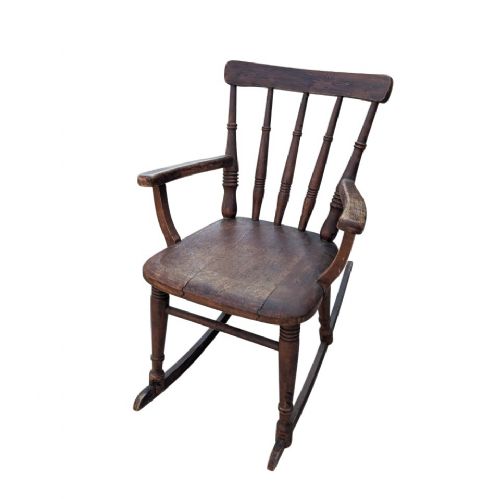
A country pine chair encompasses a wide variety of domestic seating created for functional use in rural homes, farmhouses, and cottages rather than formal urban parlours. When exploring the category of country pine chair, buyers encounter forms ranging from simple side chairs and kitchen dining sets to high-backed settles, armchairs, and rocking chairs.
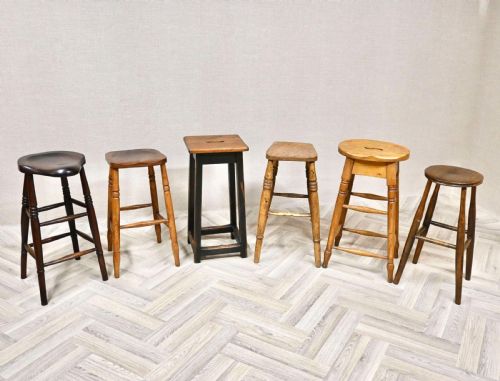
The evidence shows examples stretching from the 1700s through the Victorian era and into the twentieth century, originating from British, Scandinavian, Hungarian, Austrian, and French traditions. Alongside standard dining chairs, the selection includes vernacular specialities such as lambing chairs, dug out chairs, bar stools, and child-sized seating.
What varies in quality
Quality in these pieces rests upon the integrity of the original construction, the survival of early or untouched surface paint, and the balance of regional proportions. Examples retaining their initial structural joinery and genuine patina stand apart from those altered or overly restored over time.
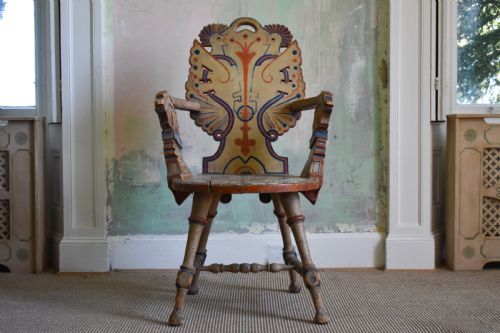
The degree of regional vernacular detail, such as the boldness of a comb back or the execution of folk art painting, distinguishes standard utility seating from exceptional vernacular workshop examples.
Country Pine Chair Retail Price Guide 2026
Typical asking prices for country pine chair among the pieces listed under this phrase on Sellingantiques today, from the lower quarter to the upper quarter. They describe what is for sale here now, not the wider market.
Listings feature pine alongside elm, beech, oak, and birch, reflecting the diverse native woods used in regional European vernacular furniture.
The Country Pine Chair Glossary
- Vernacular
- Describing objects built by local craftspeople for practical everyday use rather than following high-style academic architectural designs. These pieces reflect regional materials and local habits.
- Settle
- A wooden bench featuring a high back to block draughts and often incorporating a box storage base beneath the seat. They frequently stood beside hearths in country houses and pubs.
- Scumbled
- A decorative painting technique involving layers of translucent glaze dragged or brushed over a base coat to simulate the grain of more expensive hardwoods. It was widely used on Victorian pine furniture.
- Dug out
- A form of seating fashioned by hollowing out a single solid block of log or timber to form the seat and lower body. This method represents an ancient and primitive woodworking technique.
- Lambing chair
- An enclosed vernacular armchair featuring high wings and a hooded back designed to shelter the sitter from cold drafts. They traditionally served shepherds and farmers during lambing season.
Country Pine Chair: Frequently Asked Questions
What is a country pine chair?
A country pine chair is a utilitarian wooden seat built for rural domestic life, utilising native pine and vernacular construction methods.
These pieces range from basic farmhouse dining chairs to specialised forms like armchairs, rockers, and high-backed settles.
How do I date a country pine chair?
Dating relies on examining the construction marks, tool traces, joinery style, and underlying timber characteristics. Comparing the piece to documented regional vernacular designs helps narrow the period.
Surface treatments such as early paint layers or scumbling also provide clues to the era of manufacture.
Are these chairs comfortable for daily use?
Many country pine chairs were designed for practical daily tasks and feature solid wooden seats shaped to the body. Adding loose cushions can increase comfort for modern seating.
Robust construction ensures they remain sturdy for everyday living spaces.
Where were these chairs made?
The selection includes pieces originating from British workshops alongside Scandinavian, French, Hungarian, and Austrian regional makers. Each region developed distinct structural forms and decorative painting traditions.
Local timber availability dictated whether pure pine was used or combined with hardwoods like beech and elm.
How do I care for antique pine furniture?
Protect antique pine by keeping it away from direct heat sources and sudden humidity changes that can crack the wood. Dust gently with a dry cloth and avoid harsh chemical cleaners.
Preserving original painted or waxed surfaces maintains the historic character of the piece.