
Country Kitchen
A country kitchen antique brings the honest utility of past centuries into modern rooms through solid timbers and practical domestic forms.
Country Kitchen
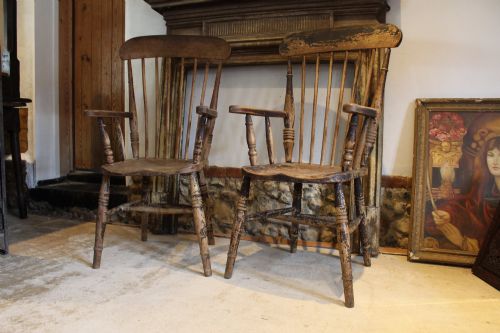
When searching for a country kitchen antique, buyers encounter sturdy domestic furnishings built for heavy daily use in historic homes and farmhouses. These objects include large dining tables, Windsor chairs, lathbacks, dressers, and larder cupboards originating primarily across the eighteenth and nineteenth centuries.
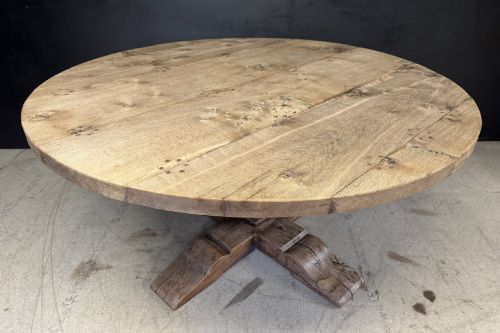
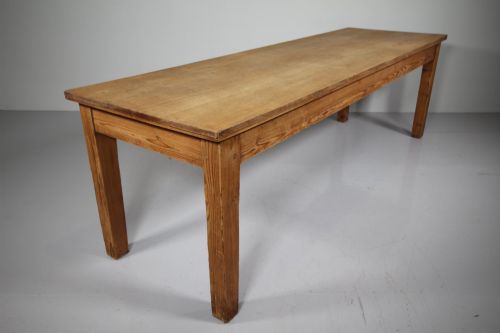
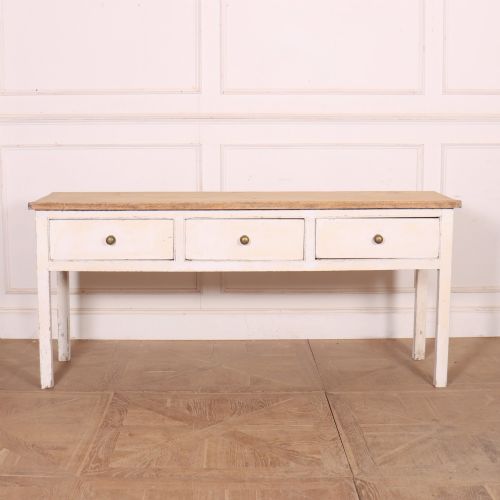
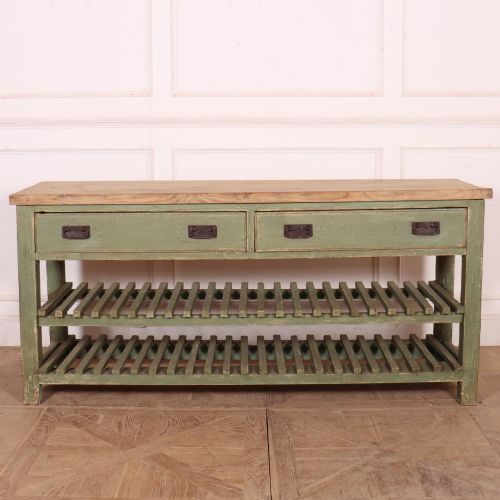
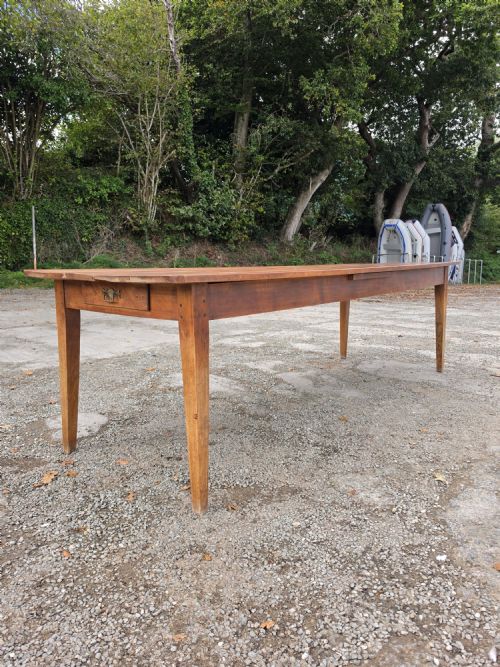
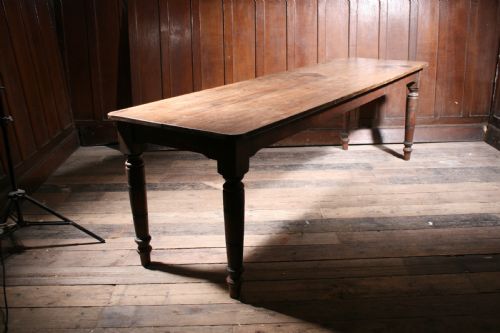
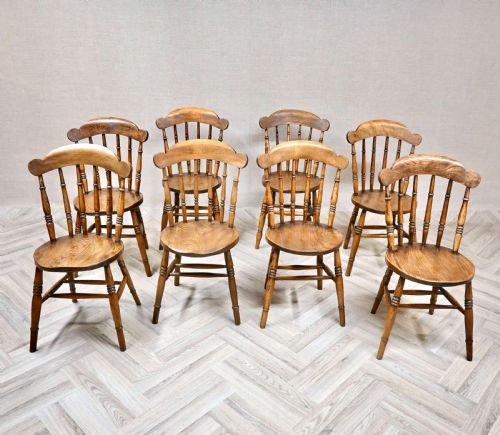
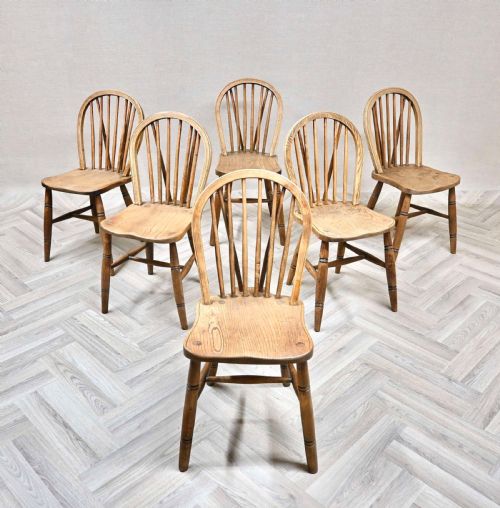
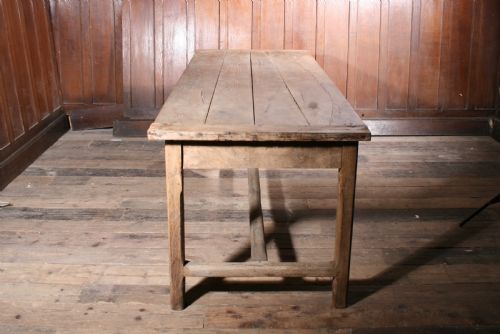
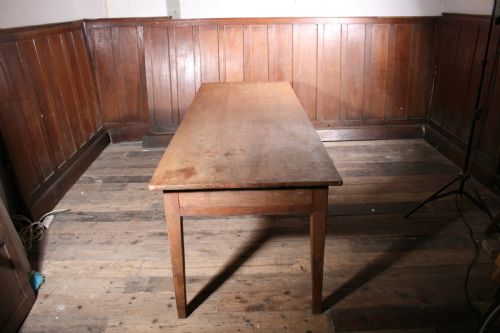
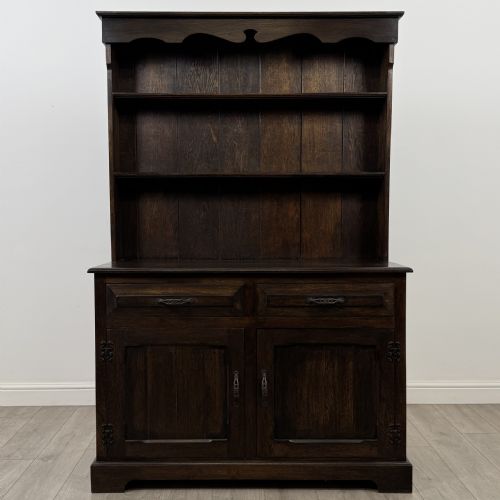
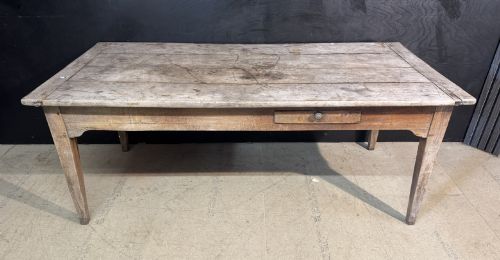
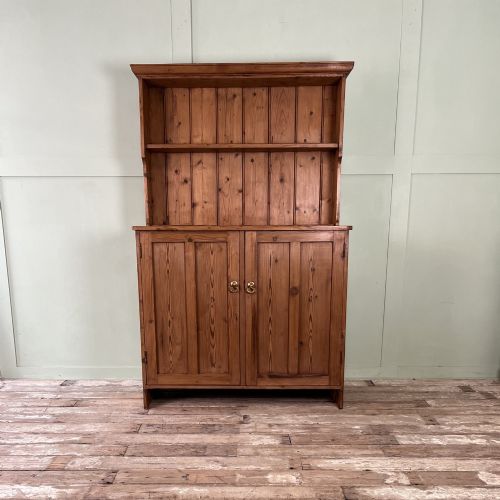
The version most commonly met on this page is the utilitarian pine or oak kitchen table, often accompanied by matching sets of elm and beech spindle-back chairs. Dresser bases and housekeeper cupboards also feature frequently, providing the generous storage capacity demanded by rural households.
Origins span English, French, and Scottish rural workshops, reflecting regional preferences in timber selection and joinery. Pieces range from simple folding drop-leaf tables to substantial refectory boards designed to seat large families.
How they were made
Construction relies on native hardwoods such as oak, elm, ash, and beech, chosen for their structural strength and ability to withstand constant wear. Pine appears extensively in tables and cupboards, offering a lighter alternative that was frequently painted or scrubbed clean.
Joinery techniques focus on durability, utilising pegged mortise and tenon joints for tables and steam-bending for the curved spindles and hoops of Windsor chairs. Metal hardware such as brass and iron appears on hinges, handles, and occasional specialist kitchen implements like skimmers.
Surfaces show the marks of hand-working, from adzed plank tops to lathe-turned legs. Finish is typically determined by decades of domestic use, ranging from raw scrubbed timber to aged patinated polish and early layers of paint.
Object forms span dining tables, Windsor armchairs, dressers, larder cupboards, stools, and rolling pastry boards.
What varies in quality
Quality rests upon the integrity of the original construction and the survival of untouched surfaces. Pieces retaining their primary timber boards, unclipped chair spindles, and honest patination sit at the upper end of the scale.
Proportion and balance distinguish finer workshop output from basic utilitarian output. Tables with well-turned tapered or bobbin legs and dressers with harmonious proportions demonstrate the maker's careful consideration of design alongside function.
The unity of matching sets also influences the standing of chairs, where harlequin collections assembled later in life differ from genuine matched sets produced together in a single workshop.
The Country Kitchen Glossary
- Windsor chair
- A wooden chair built with a solid saddle-shaped seat into which the back-legs and spindles are wedged directly. They often feature bentwood hoops and armbows.
- Potboard dresser
- A kitchen sideboard featuring an open lower shelf traditionally used for storing pots and pans. This lower tier sits just above the floor on short feet or legs.
- Lathback
- A chair design featuring flat wooden slats or laths fitted vertically into the backrest rather than turned cylindrical spindles. These versions frequently appear in nineteenth-century settings.
- Refectory table
- A long, narrow dining table traditionally built for communal dining halls and large rural kitchens. They are characterised by sturdy stretcher bases supporting thick timber tops.
- Housekeeper's cupboard
- A tall storage unit designed for linen, dry goods, and kitchen provisions. They usually combine upper shelving with lower drawers or enclosed cupboards.
Country Kitchen: Frequently Asked Questions
How do I date a farmhouse table?
Dating relies on examining the construction methods beneath the top, such as hand-cut tenons, timber shrinkage patterns, and the style of the legs. Tool marks left by pit saws or early lathes provide clear indicators of period manufacture.
Secondary woods used in drawer construction and the type of fixings also help narrow down the decade of origin. Comparing the wear patterns to documented examples from the eighteenth and nineteenth centuries confirms the timeline.
Were kitchen dressers always painted?
Many early dressers and cupboards were left as bare scrubbed wood or finished with simple oils and waxes to protect the timber. Painting often occurred later in a piece's life to update its appearance or protect softer pine surfaces.
Original painted finishes survive on some regional pieces, showing early layers of pigment that contribute significantly to their character. Stripped examples reflect a twentieth-century preference for exposed natural grain.
How do I care for antique pine tables?
Maintenance requires regular dusting with a dry cloth and occasional treatment with natural beeswax to nourish the dry timber. Avoiding excessive heat and direct sunlight prevents the old pine boards from splitting.
Spills should be wiped away promptly to protect the historic patina. Using placemats helps safeguard the scrubbed or polished surface from water rings and thermal shock.
What is the difference between elm and oak in chairs?
Elm offers exceptional tensile strength and interlocking grain, making it the traditional choice for solid chair seats that resist splitting under heavy use. Oak provides rigid structural stability and a distinct open grain pattern suited for legs and framework.
Combination pieces often utilise elm for seats and ash or beech for the bentwood spindles. This material pairing maximised the specific mechanical properties of each native timber.