






Country House Tripod Table
A country house tripod table offers a sturdy pillar and three steady feet, providing practical surface space with honest vernacular charm.
Country House Tripod Table
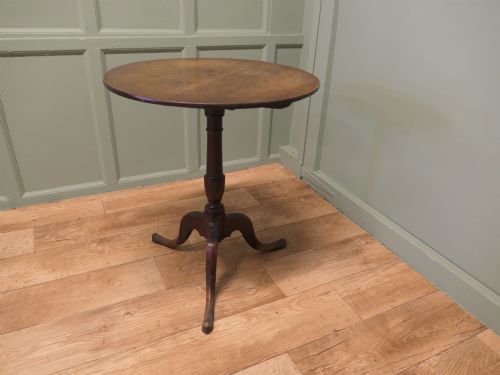
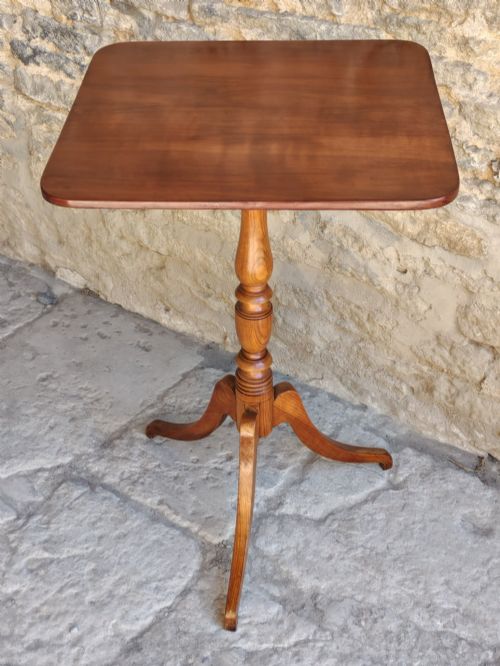
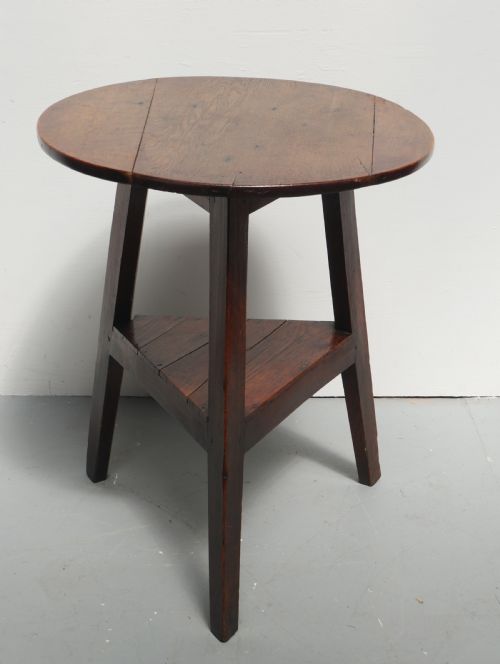
A country house tripod table is a compact surface resting on a central pillar supported by three feet, built for flexible placement around a room. The search phrase brings together various forms such as cricket tables, wine tables, occasional tables, and lamp tables created for domestic use.
The pieces appearing here span several periods including Georgian, Victorian, and William IV, alongside vernacular iterations from the eighteenth and nineteenth centuries. Oak and mahogany dominate the materials, while fruitwood, pollard oak, elm, pine, and painted surfaces also appear.
Origins stretch across English, Scottish, and Swedish workshops, ranging from formal Georgian designs to robust vernacular pieces. Buyers are most likely to encounter sturdy oak cricket tables and mahogany occasional tables reflecting regional British cabinet-making traditions.
Assessing Quality and Character
Quality rests in the balance of proportions between the central column, the spread of the tripod legs, and the thickness of the top. Superior examples maintain structural stability without heavy repairs, ensuring the three feet remain firmly planted on uneven floors.
The selection of timber grain dictates the visual appeal, with well-figured mahogany or richly patinated oak marking out finer pieces from standard utilitarian items. Original surface patination and minimal timber replacement elevate an object above heavily restored or altered equivalents.
Country House Tripod Table Retail Price Guide 2026
Typical asking prices for country house tripod table among the pieces listed under this phrase on Sellingantiques today, from the lower quarter to the upper quarter. They describe what is for sale here now, not the wider market.
Listings feature oak, mahogany, fruitwood, elm, and pine across Georgian, Victorian, and William IV periods.
The Country House Tripod Table Glossary
- Cricket table
- A small wooden table featuring three splayed legs and a round top, traditionally associated with early vernacular English furniture. This simple construction prevents wobbling on uneven floors.
- Tilt top
- A tabletop mounted on a hinge mechanism that allows the surface to fold vertical when not in use. This design saved space in crowded domestic interiors.
- Dumb waiter
- A multi-tiered serving table mounted on a central pillar and tripod base used for holding dishes. These tiered pieces allowed servants to supply dining rooms with minimal interruption.
- Pollard oak
- Timber taken from trees that have been pollarded, producing a dense wood with highly decorative knot clusters. Cabinet makers utilised this burr-like grain for tabletops.
- Vernacular furniture
- Objects made by local craftsmen for everyday domestic use rather than following high-style metropolitan fashions. These pieces prioritize function and local timber availability.
Country House Tripod Table: Frequently Asked Questions
Where were these tables used?
These tables served multiple functions across different rooms in large domestic properties, acting as moveable surfaces for tea, reading, or illumination. Their compact footprint allowed them to sit beside seating or in corners.
Vernacular examples in oak or pine often populated informal spaces, while mahogany and satinwood variants stood in principal parlours and drawing rooms.
How do I spot a tilt top?
A tilt-top mechanism uses a small wooden catch or block beneath the surface that locks the circular top horizontal to the central pillar. Lifting the catch allows the surface to pivot flat against the stem.
This functional feature enabled households to store tables against walls when rooms needed to be cleared.
Are all three legs original?
Tripod bases endured heavy daily use, meaning legs and feet frequently experienced stress fractures or breakages over centuries of service. Examining the joints where the legs meet the central block reveals whether components are replacements.
Matching timber species and consistent wear patterns across all three feet suggest an original configuration.
How do I care for the surface?
Regular dusting with a dry, soft cloth preserves the wax or polish without building up residue that dulls the timber grain. Avoiding direct sunlight and maintaining stable room humidity protects the wood from splitting.
Leather or marble inserts require specific cleaning methods appropriate to their distinct material properties.