

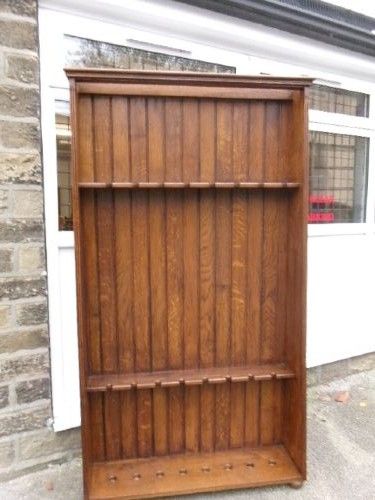
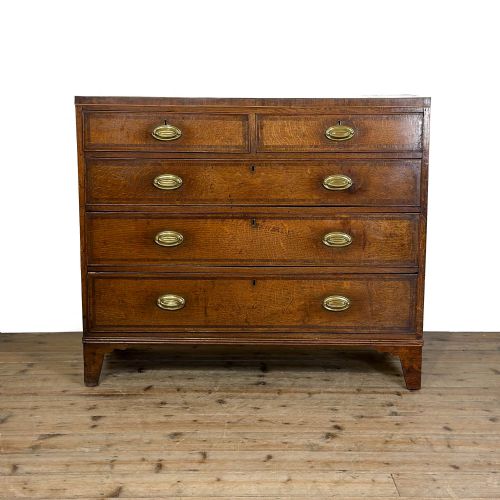
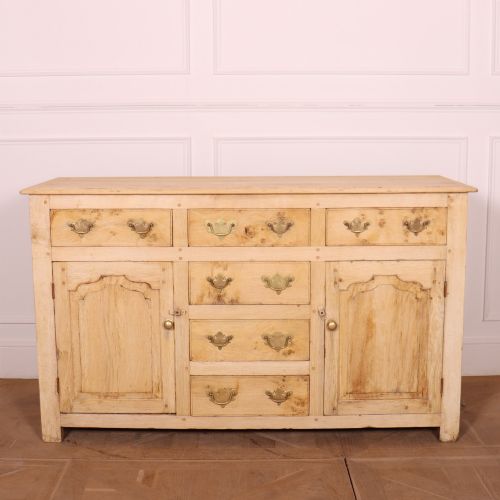
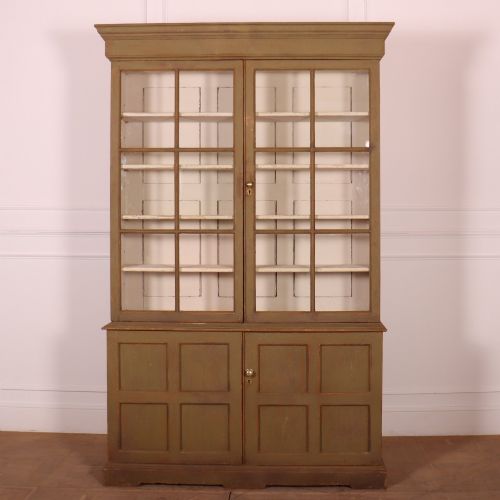
Country House Storage
Country house storage delivers robust utility and vernacular charm through practical chests, dressers and cupboards built to organise large domestic estates.
Country House Storage
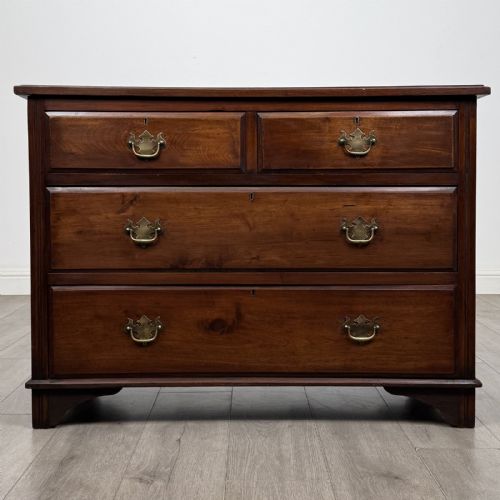
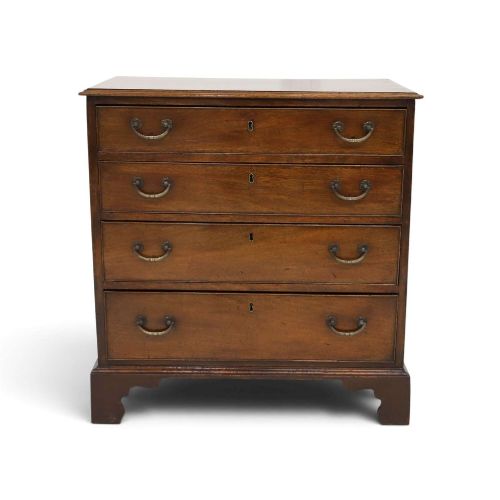
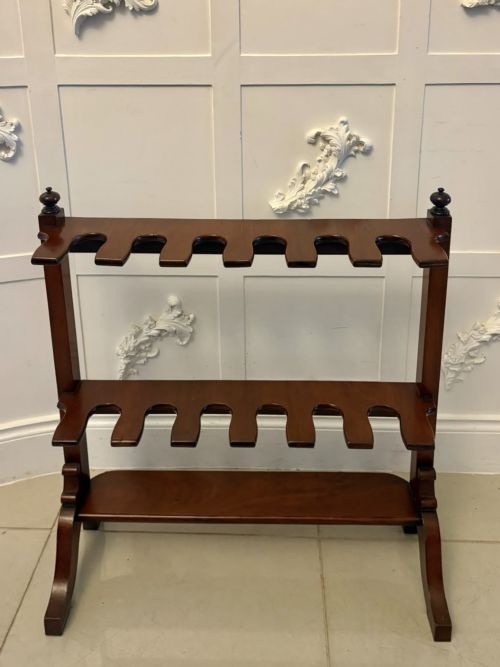
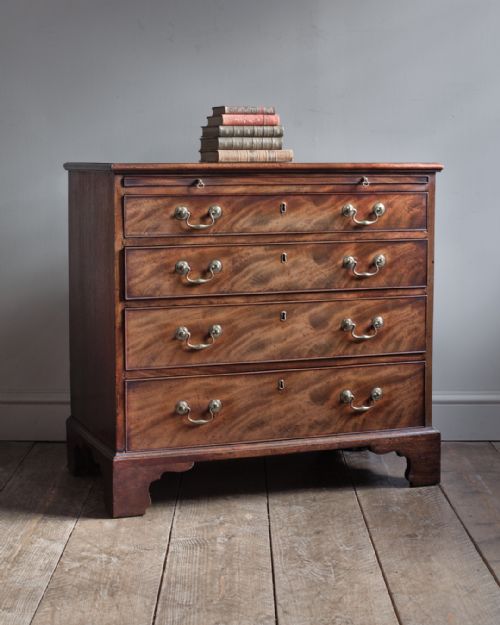
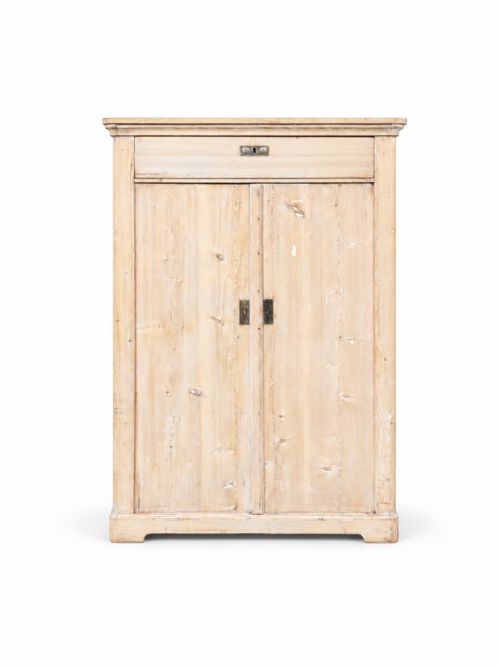
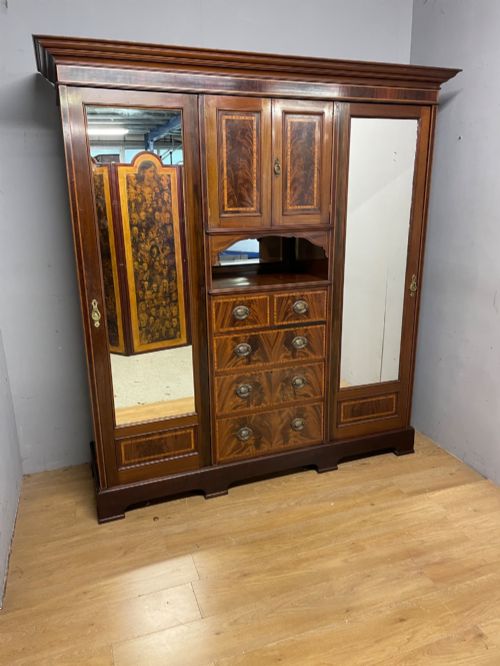
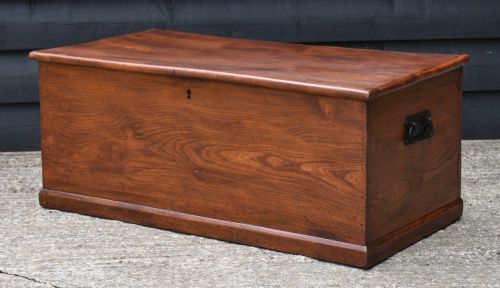
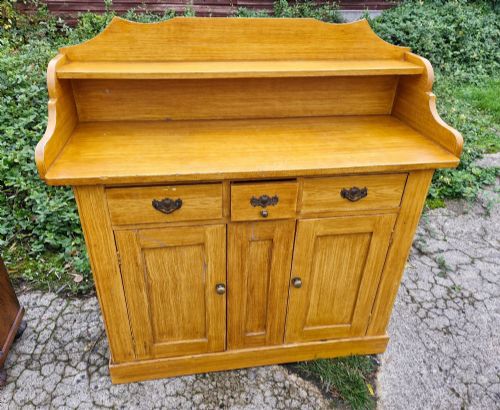
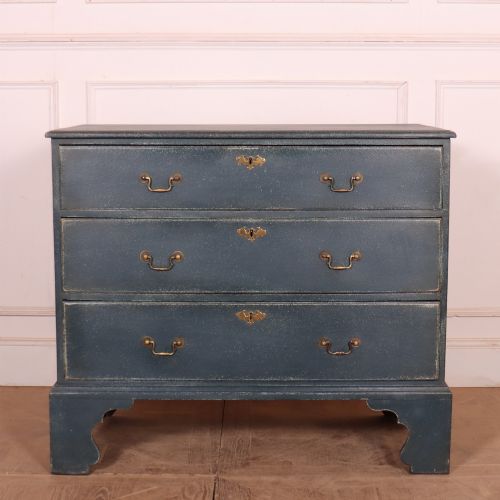
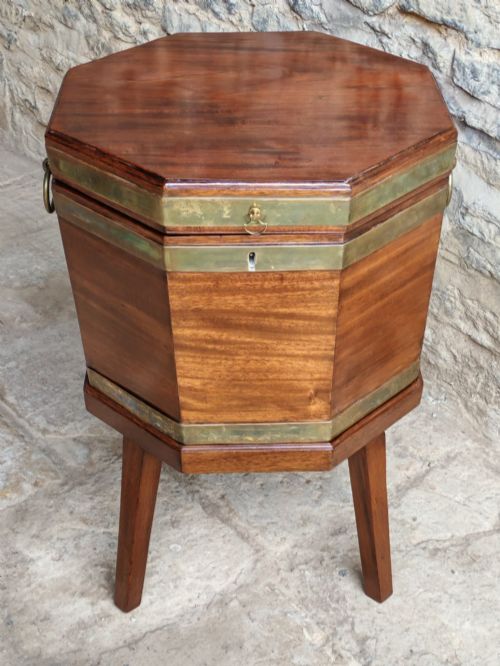
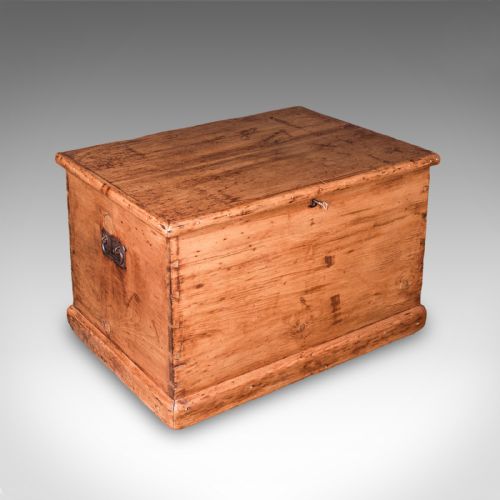
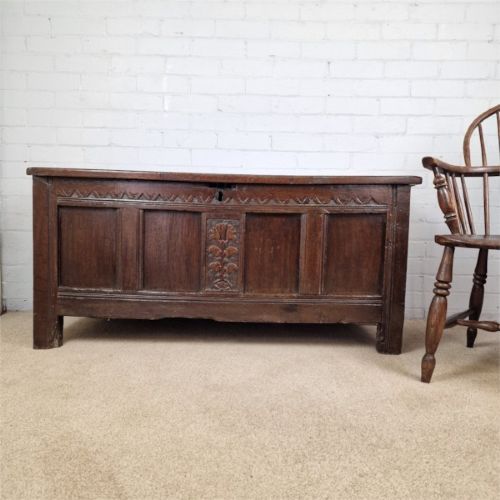
Country house storage encompasses large utility furniture designed to organise domestic items across extensive landed estates. Pieces range from oak coffers and pine boot room cupboards to mahogany linen presses and kitchen dressers.
The items most frequently met on this page date from the eighteenth and nineteenth centuries, spanning Georgian, Victorian and Regency periods. These utilitarian forms reflect the daily functional needs of traditional estate rooms.
Makers utilised native timbers and practical construction methods to create durable vessels for linen, provisions, boots and household goods. Surviving examples demonstrate the straightforward craftsmanship required for heavy domestic use.
Materials and Construction
Cabinet makers built these pieces using solid timbers such as oak, pine, elm and fruitwood, often applying paint, scumble finishes or wax to the surfaces. Brass handles, iron hinges and glass panels appear on finer cupboards and bookcases.
Traditional joinery techniques including panelled doors, dovetailed drawers and joined frames provided the structural strength necessary for daily estate service. Selection of native woods ensured durability across kitchens, boot rooms and hallways.
Country House Storage Retail Price Guide 2026
Typical asking prices for country house storage among the pieces listed under this phrase on Sellingantiques today, from the lower quarter to the upper quarter. They describe what is for sale here now, not the wider market.
Listings feature eighteenth and nineteenth century periods alongside regional styles including English country, Scottish, French, Swedish and Italian pieces.
Variations in Quality
Quality separates utilitarian workshop output from finer estate commissions through the selection of timber and the sophistication of the joinery. Dense oak and figured mahogany indicate a higher status than standard pine or mixed secondary woods.
Original surface treatments, intact hardware and thoughtful proportions distinguish superior examples. Pieces retaining early paint, scumble work or well-executed brass fittings hold greater visual and historical coherence.
The Country House Storage Glossary
- Cofer
- A heavy wooden chest with a lid, traditionally used for storing valuables, linens or dry goods in domestic interiors.
- Linen Press
- A tall piece of furniture featuring upper sliding trays or shelves enclosed by doors, positioned above lower storage drawers.
- Dresser Base
- A low side table or cabinet fitted with drawers, serving as the foundational lower section of a kitchen or dining room dresser.
- Scumble Paint
- A decorative translucent glaze applied over a base coat to simulate the grain of more expensive hardwoods on softer timbers.
Country House Storage: Frequently Asked Questions
What is country house storage?
Country house storage refers to robust furniture forms built to organise large domestic spaces, including dressers, cupboards, coffers and linen presses.
These utilitarian pieces date primarily from the eighteenth and nineteenth centuries and utilise native timbers such as oak, pine and fruitwood.
Where were these cupboards used?
These storage pieces served utilitarian roles across estate service rooms, including kitchens, boot rooms, hallways, housekeepers' rooms and estate offices.
Their sturdy construction suited areas requiring heavy daily organisation of provisions, apparel, outdoor gear and household equipment.
How do I identify periods?
Period identification relies on observing timber selection, hardware types, joinery methods and surface treatments across the piece.
Earlier eighteenth-century examples often feature joined oak and hand-cut dovetails, while Victorian items frequently employ pine, mahogany or applied paint finishes.
How do I live with them?
Integrating these pieces into modern interiors involves utilising their generous internal capacity for contemporary clothing, linens or tableware.
Their robust construction and honest vernacular finishes anchor living spaces, hallways and kitchens with practical historical character.