



Country House Pine Chest
A country house pine chest brings honest, utilitarian character to a room through weathered timber and functional storage.
Country House Pine Chest
When searching for a country house pine chest, buyers encounter utilitarian storage furniture built to serve domestic needs in traditional properties. These pieces range from substantial chests of drawers and housekeeper cupboards to mule chests, blanket boxes, and linen presses.
The selections available span several periods, with Victorian and 19th-century examples appearing most frequently alongside Georgian pieces. Regional variations emerge through English, Scandinavian, Hungarian, and Gustavian stylistic touches.
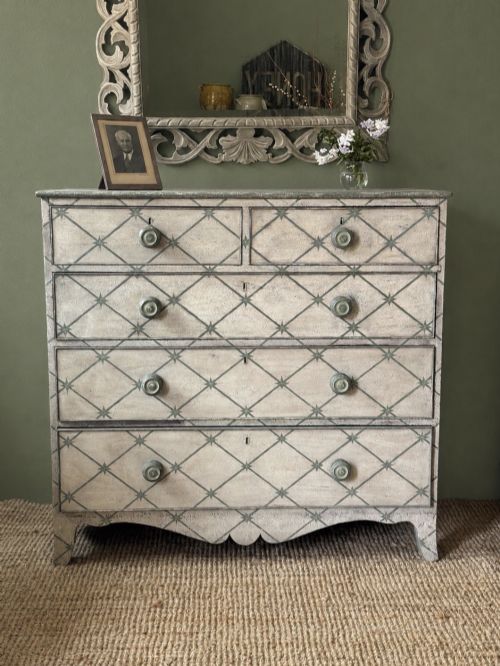
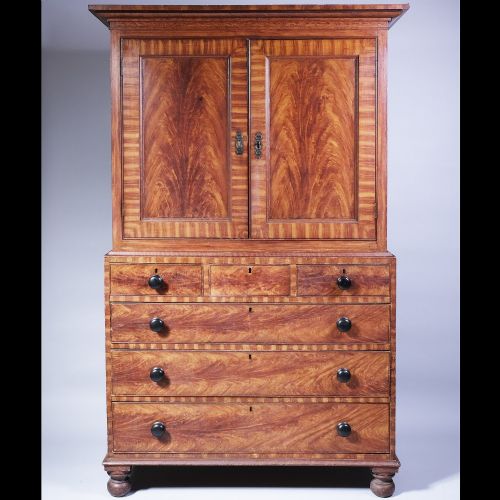
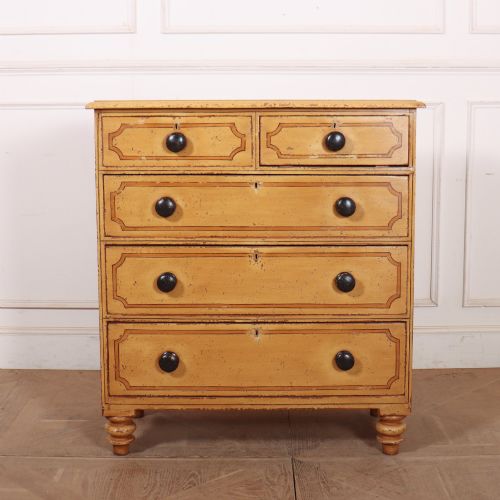
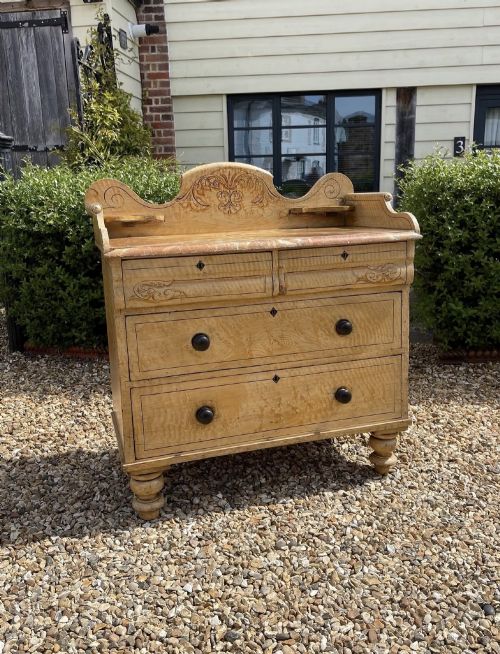
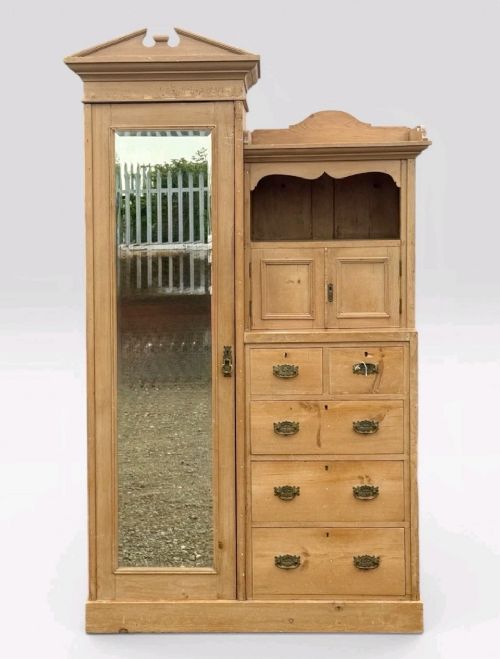
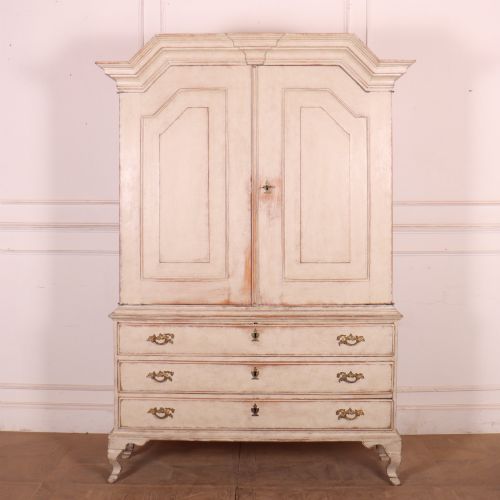
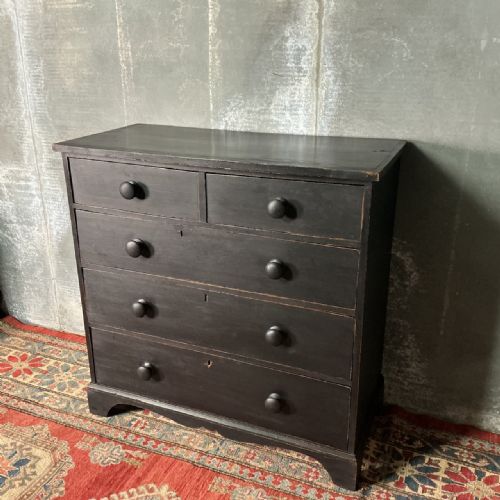
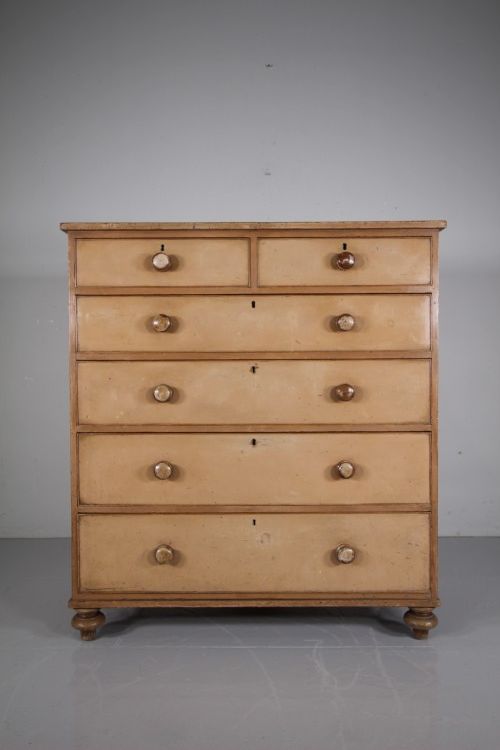
Forms vary from robust banks of drawers and chifferobe wardrobes to simpler bedside cabinets and iron-banded log bins. Original paint surfaces, scumble finishes, and rustic timber constructions define the aesthetic.
How they were made
Makers utilised solid pine timber alongside oak, combined with iron hardware and brass fittings for structural integrity. Surfaces frequently received layers of paint, scumble finishes, or folk art decoration.
Construction methods prioritised durable everyday use, joining boards simply and effectively to create chests, cupboards, and trunks. Iron banding and metal reinforcement appear on utility pieces designed for heavy service.
An iron-banded log bin once stood ready for hearth fires, while a tiny wall-hanging spice box kept kitchen secrets close.
What varies in quality
The survival of original paint surfaces and scumble decoration largely determines the distinction between standard utility items and more desirable examples. Unaltered patination and untouched surfaces hold greater appeal for collectors.
Construction scale and proportion also influence standing, with larger housekeeper cupboards and mule chests demonstrating more ambitious joinery than basic blanket boxes. Provenance and estate-made origins add historical context.
The Country House Pine Chest Glossary
- Scumble paint
- A decorative surface technique involving translucent glazes dragged or brushed over a base coat to simulate finer wood grains or create mottled texture. It appears frequently on country house furniture.
- Mule chest
- A traditional storage chest featuring one or more drawers at the base beneath a hinged lid compartment. This form bridges the gap between the simple blanket box and the chest of drawers.
- Housekeeper cupboard
- A large storage cabinet traditionally used in large domestic kitchens or utility rooms for linens and provisions. They typically combine shelving with lower drawer or cupboard space.
- Chifferobe
- A hybrid storage piece combining the vertical hanging space of a wardrobe with the sliding drawers of a chest. The form offers flexible domestic storage.
- Kist
- A regional term for a heavy wooden storage chest or trunk used for blankets, clothing, or household goods. They often feature robust iron handles and durable timber construction.
Country House Pine Chest: Frequently Asked Questions
How do I care for original pine paint?
Keep painted pine pieces away from direct sunlight and excessive heat sources to prevent the finish from drying and flaking. Dust gently with a soft dry cloth and avoid modern chemical polishes that can damage fragile historic surfaces.
Maintain stable indoor humidity levels to protect both the underlying timber and the decorative paint layers. Gentle handling preserves the honest patination built up over centuries of domestic use.
What is a mule chest?
A mule chest combines a traditional lift-lid blanket box with one or more drawers fitted beneath the main compartment. This development made stored items accessible without needing to unload items stacked on top.
Originating in British homes, these pieces provided essential bedroom or landing storage before fitted wardrobes became common. Their proportions make them practical coffee tables or window seats in modern spaces.
How can I tell the period of pine furniture?
Dating relies on examining construction joints, hardware, nail types, and tool marks visible on the interior timbers. Hand-cut dovetails and hand- forged iron hinges generally point towards 18th-century or early 19th-century origins.
Later Victorian and 19th-century pieces often display machine-sawn components and standardised brass fittings. Paint analysis and surface wear also offer reliable clues to an object's age.
Where were these pieces used?
These storage pieces served practical roles in domestic service areas, farmhouses, estate laundries, and country house bedrooms. Housekeeper cupboards and banks of drawers organised linens, provisions, and clothing for large households.
Smaller trunks and blanket boxes travelled between estates or stored winter textiles in draughty corridors. Their robust utility ensured they survived generations of daily domestic service.