



Country House Library Chair
A country house library chair offers deep comfort and traditional weight, built for long hours reading by the fire.
Country House Library Chair
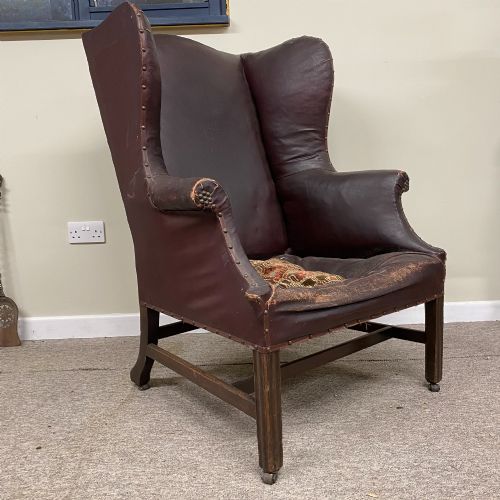
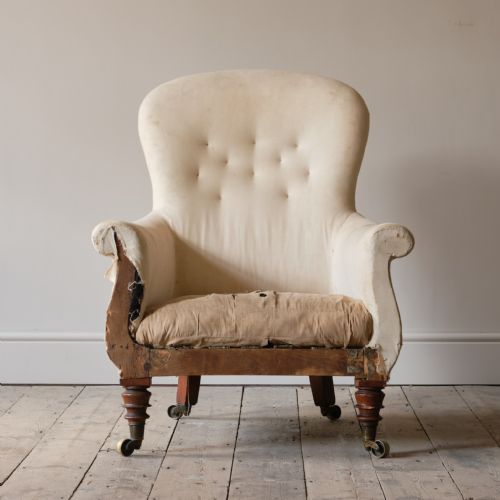
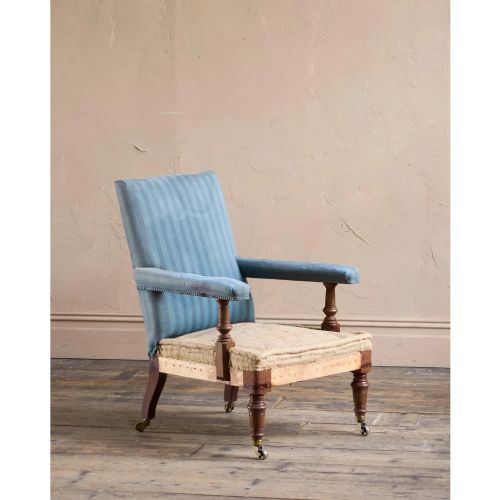
When you search for a country house library chair, you encounter a distinct breed of substantial seating designed for comfort and prolonged use in large domestic settings. These pieces primarily date from the nineteenth century, encompassing Victorian and Edwardian examples alongside earlier Georgian and Regency forms.
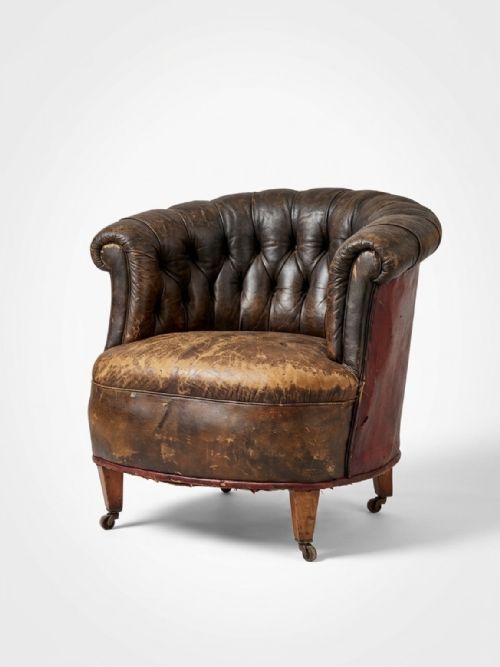
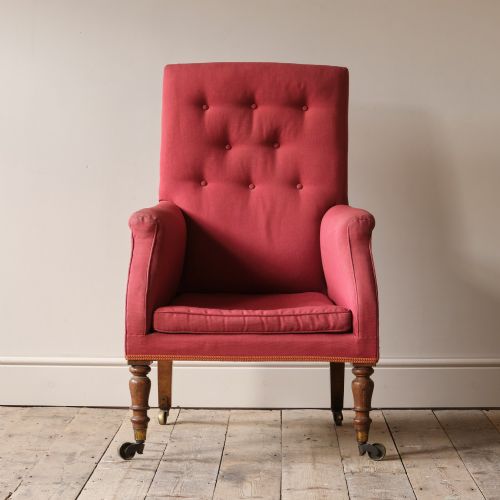
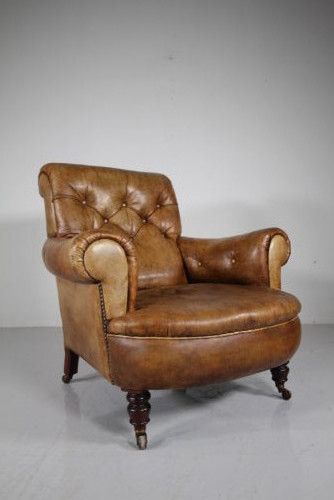
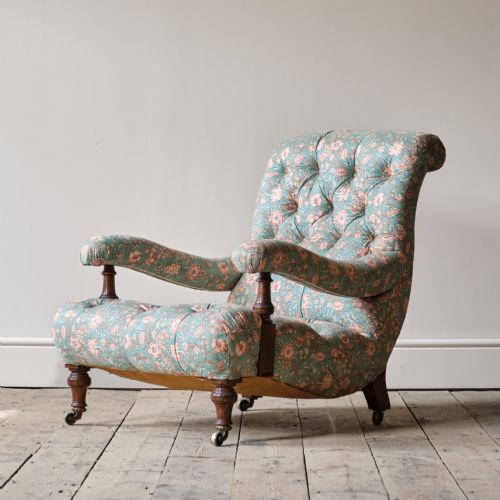
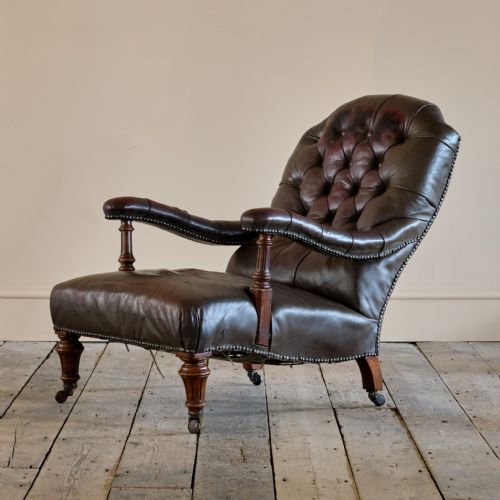
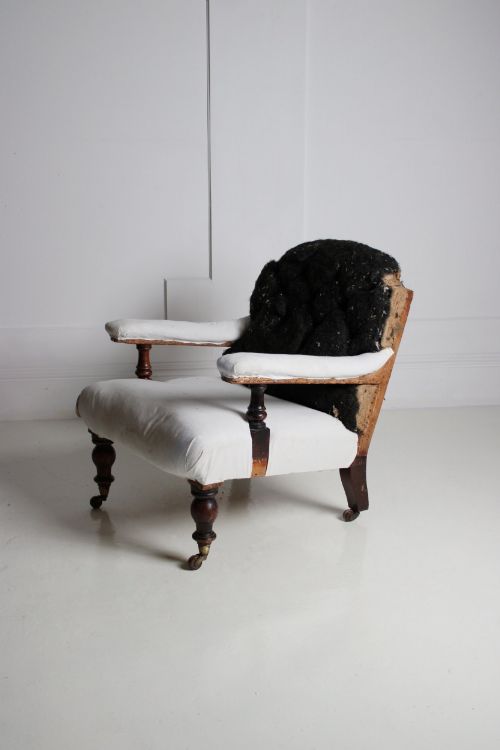
The version you are most likely to meet on this page is the open armchair or the deep-seated leather club chair. Makers constructed these to anchor a room, pairing generous proportions with sturdy frames.
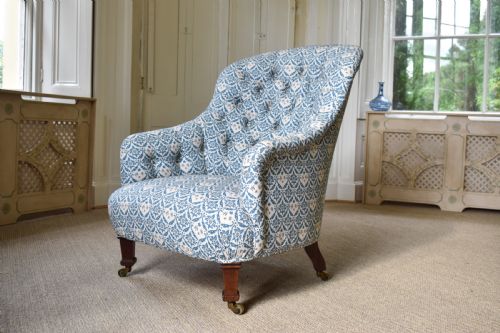
Origins trace directly to English houses where library spaces demanded serious furniture. Pieces range from button-backed reading chairs to upholstered armchairs covered in leather, fabric, or carpet.
How they were made
Workshops built the structural frames using dense hardwoods like mahogany and walnut, ensuring longevity under heavy daily use. Joinery techniques relied on traditional mortise and tenon joints to support expansive armrests and deep seats.
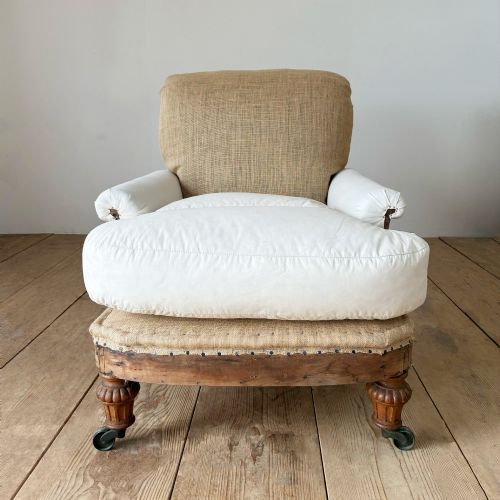
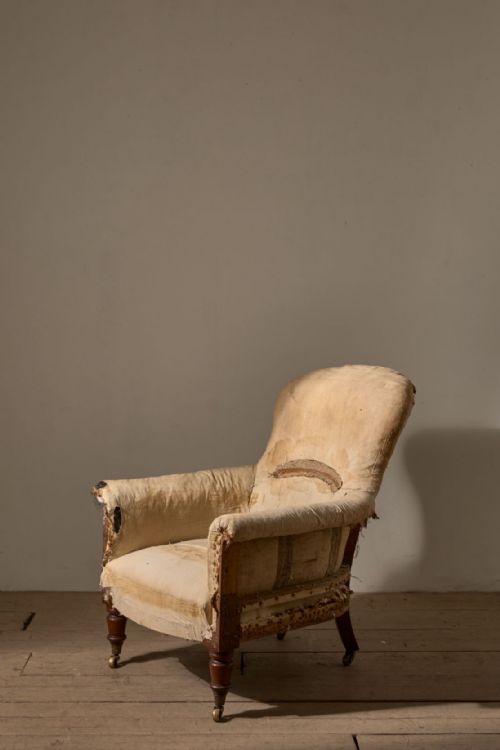
Upholstery involved layered stuffing secured with hessian and calico before finishing in top layers of leather, velvet, or woven fabric. Brass tacks often secured the outer leather edges, while sprung interiors provided the characteristic deep seating.
Carved wooden details appeared on exposed frames, particularly on Georgian styles and Victorian inlaid walnut frameworks.
Country House Library Chair Retail Price Guide 2026
Typical asking prices for country house library chair among the pieces listed under this phrase on Sellingantiques today, from the lower quarter to the upper quarter. They describe what is for sale here now, not the wider market.
Some nineteenth-century armchairs incorporate fragments of old carpets into their upholstery, recycling textiles into seating.
What varies in quality
The integrity of the internal wooden frame establishes the baseline for any piece, separating solid hardwood construction from lesser builds. Maker attribution plays a significant role, with pieces bearing workshop stamps commanding greater interest.
The quality of the upholstery materials, from supple hide to heavy woven textiles, dictates the tactile experience. Finer examples retain original stuffing methods and patinated leather that tells a visible story of age.
Proportion and scale distinguish standard seating from exceptional library chairs designed for grand spaces. Maker execution in carving and inlay also marks the upper tier of these pieces.
Howard and Sons·Morison and Co·Holland and Sons·Gillows
The Country House Library Chair Glossary
- Gainsborough chair
- An eighteenth-century armchair style featuring an upholstered back and seat with open padded arms and short legs.
- Button back
- An upholstery technique where depressions are created by pulling twine through the padding and securing it with buttons.
- Hessian
- A coarse woven fabric typically used as a foundational layer beneath outer upholstery to hold internal stuffing.
- Smoker's bow
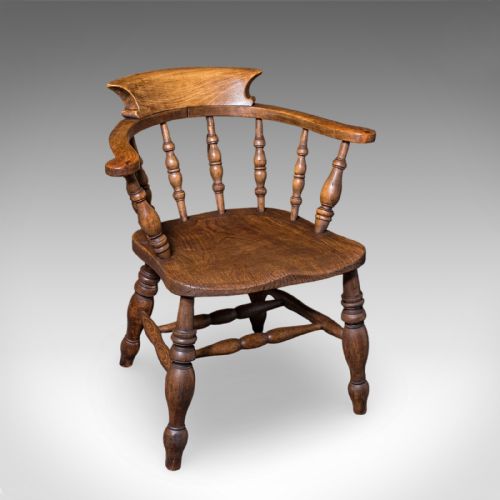
- A sturdy wooden armchair with a rounded back rail supported by turned spindles, common in traditional English interiors.
- Wingback armchair
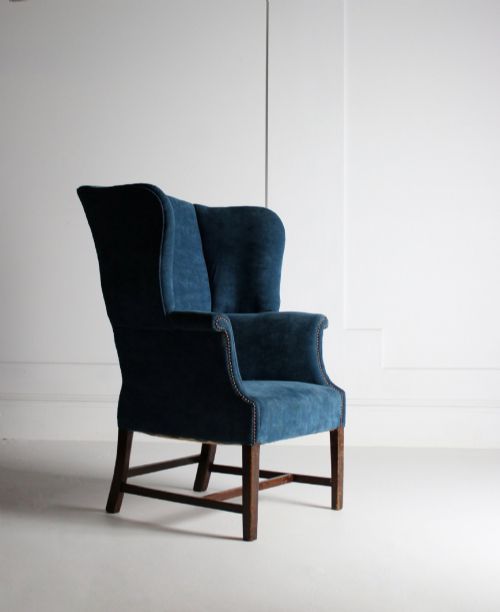
- A high-backed seat featuring protective side panels designed to shield the sitter from draughts.
Country House Library Chair: Frequently Asked Questions
What defines a library chair?
A library chair is a sturdy, comfortable armchair designed for reading rooms, typically featuring generous proportions and durable upholstery.
These pieces prioritise physical support and heavy timber construction to endure daily use in domestic studies.
How do I care for leather upholstery?
Leather upholstery requires regular dusting and occasional treatment with suitable balms to prevent the hide from drying out over time.
Keep these chairs away from direct heat sources and strong sunlight to preserve the natural patina.
Are these chairs comfortable for daily use?
Most of these pieces were engineered precisely for prolonged sitting, featuring deep seats and supportive upholstered backs.
Victorian and Edwardian iterations often provide sprung interiors that rival modern seating for comfort.
How can I tell a Victorian chair from a Georgian one?
Georgian examples often showcase lighter mahogany frames with classical carved details and restrained proportions.
Victorian pieces tend toward heavier scales, darker walnut, and more expansive upholstered surfaces.