



Country House Container
These country house container pieces are robust vessels and stands in pine, copper, iron and brass that bring genuine utility and rustic character to an interior.
Country House Container
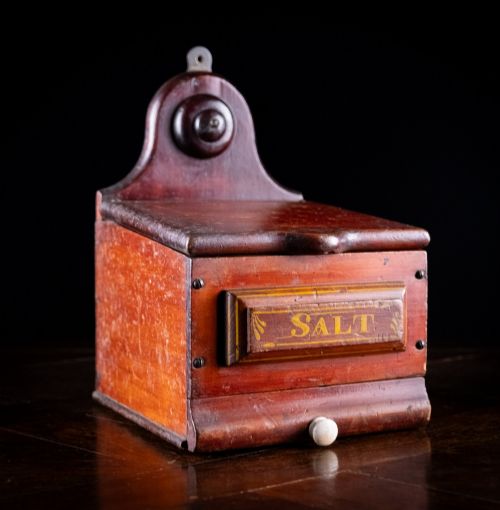
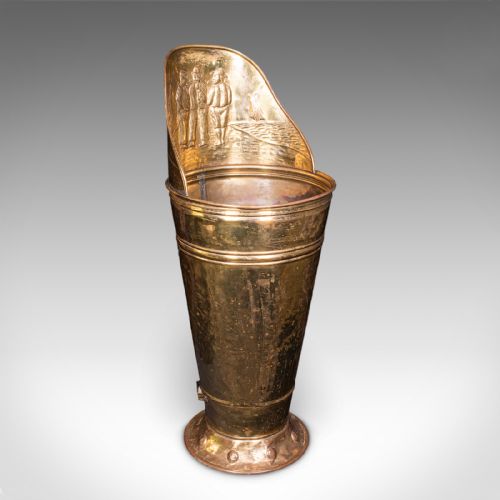
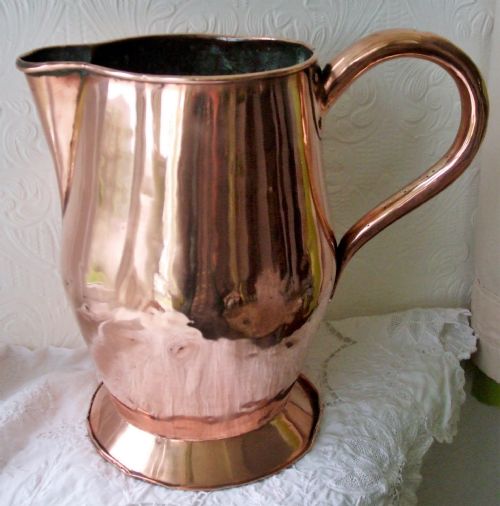
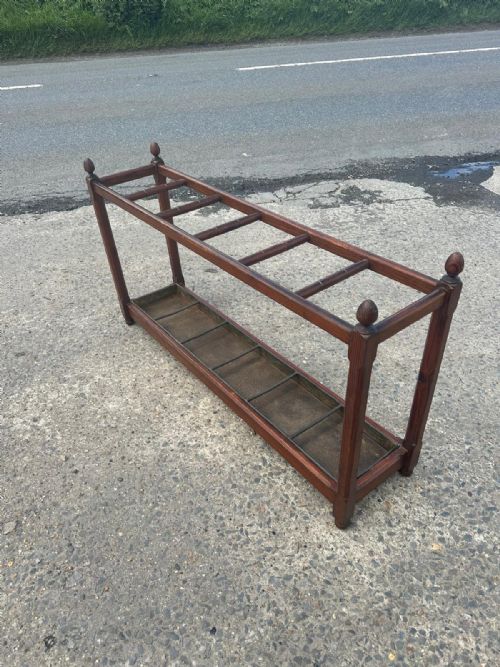
When you search for country house container, you are looking at practical domestic items designed for heavy daily service in traditional properties. The selection on this page centres on utilitarian forms such as log bins, umbrella and stick stands, jugs, salt boxes and storage baskets.
You are most likely to meet pieces from the nineteenth century alongside items dated around nineteen hundred and nineteen twenty. Materials span pine, pitch pine, oak, copper, iron, brass and paint, reflecting the honest utilitarian purpose of each object.
The forms range from large log storage baskets and dug out tree trunks to tall stick stands and generous copper jugs. These are functional items built to handle heavy materials like firewood and water while maintaining a distinct rustic presence.
How they were made
Construction relies on straightforward joinery and robust working materials suited to heavy domestic service. Iron banding reinforces wooden containers such as pine and pitch pine log bins, ensuring structural strength for holding dense loads of timber.
Coopers and metalworkers shaped copper and brass into large jugs and vessels using traditional hammering and seaming techniques. Timber items also include dug out tree trunks carved directly from solid wood.
Surfaces show straightforward finishes including red paint on salt boxes and natural wood treatments on oak and pine. Metal components display patination from age and active use rather than decorative polish.
Country House Container Retail Price Guide 2026
Typical asking prices for country house container among the pieces listed under this phrase on Sellingantiques today, from the lower quarter to the upper quarter. They describe what is for sale here now, not the wider market.
Listings feature items from the nineteenth century, nineteen hundred, and nineteen twenty, constructed from pine, pitch pine, oak, copper, iron, and brass.
What varies in quality
Quality rests on the integrity of the materials and the honesty of the construction. Solid timber vessels like dug out tree trunks and oak log bins rely on the density of the wood and the stability of the natural form.
Metal items show distinction in the weight of the copper or brass and the solidity of the construction. Iron banding on wooden bins indicates the original functional strength intended for holding heavy fuel.
Surface character defines the visual appeal of these pieces. Original painted finishes and honest signs of wear demonstrate the genuine working history of each container.
The Country House Container Glossary
- Log bin
- A large container designed for storing and transporting firewood beside a hearth. These are typically constructed from heavy timber with iron banding.
- Pitch pine
- A dense, resinous softwood frequently utilised for utilitarian nineteenth century furniture and containers. It provides exceptional durability for heavy duty items.
- Dug out tree trunk
- A vessel formed by hollowing out a solid section of a tree. This ancient method produces heavy, organic forms with distinct grain patterns.
- Stick stand
- A tall piece of furniture designed to hold walking sticks and umbrellas in a hallway. They frequently incorporate metal liners or drip trays.
- Salt box
- A wall hanging or tabletop container intended to keep dry salt accessible in a kitchen. They often feature hinged lids and backplates for hanging.
Country House Container: Frequently Asked Questions
What were country house containers used for?
These vessels served essential domestic duties in large properties, managing firewood, storing dry provisions, and holding wet umbrellas or walking sticks in hallways.
Their robust construction in timber and metal allowed them to withstand the heavy wear of daily household operations.
How do I care for wooden log bins?
Keep wooden containers away from direct heat sources such as active radiators to prevent the timber from drying out and splitting.
Clean surfaces gently with a dry cloth and occasionally apply appropriate wax to maintain the condition of the wood.
How do I date a copper jug?
Dating relies on construction details, weight, and the manufacturing methods visible in the seams and handles. Eighteenth and nineteenth century copper items typically show hand beating and heavier gauge metal.
Comparing capacity markings and overall form against documented examples helps confirm the period of manufacture.
Where should I place a stick stand?
Stick stands suit entrance halls, porches, or boot rooms where wet umbrellas and walking sticks accumulate naturally.
Ensure the floor beneath is protected if the stand lacks an original metal drip tray.