


Country House
A country house antique brings the layered, lived-in character of historic English estates straight into modern domestic spaces.
Country House
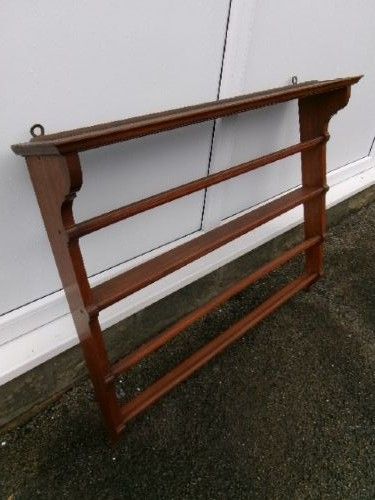
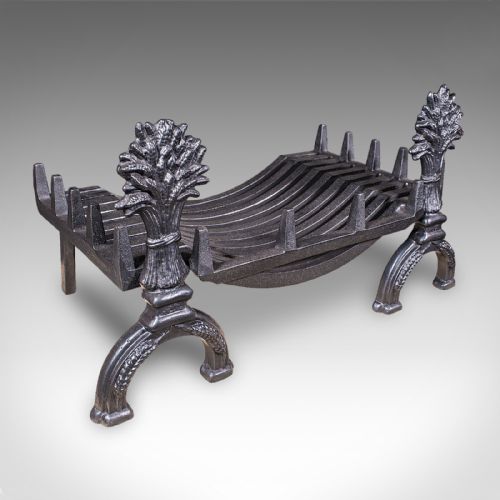
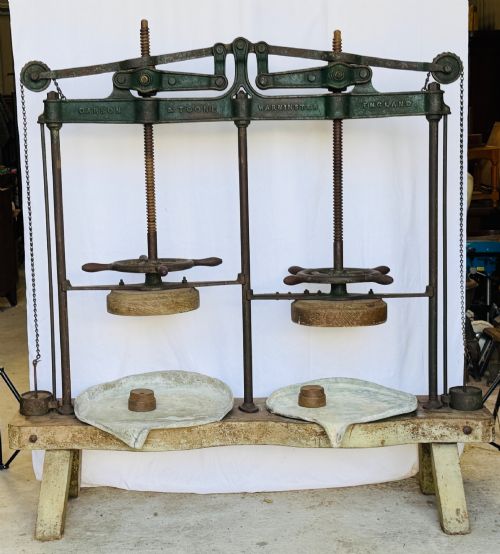
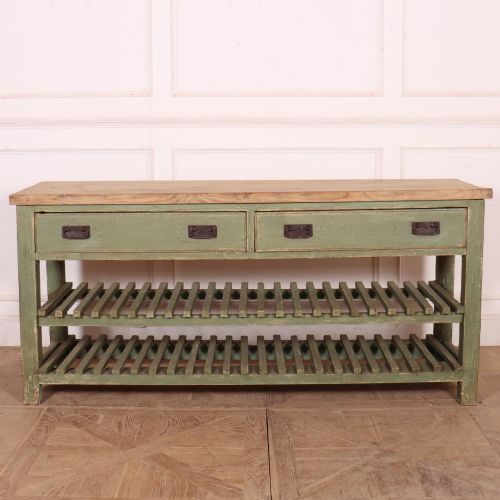
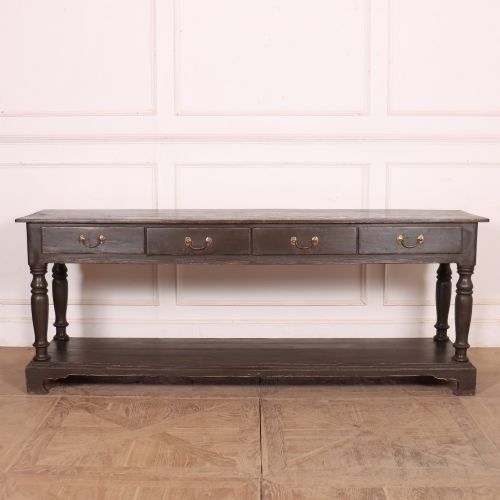
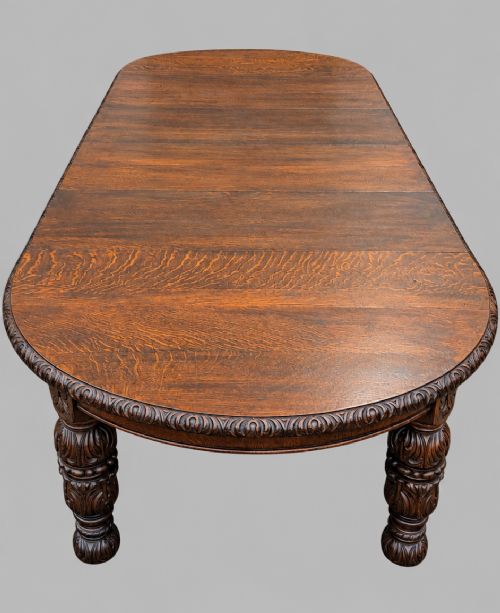
A country house antique spans substantial furniture, utility objects and furnishings gathered across the eighteenth, nineteenth and early twentieth centuries. These items reflect domestic life in large rural residences, ranging from grand mahogany dining tables to utilitarian pine cupboards and sturdy oak refectory boards.
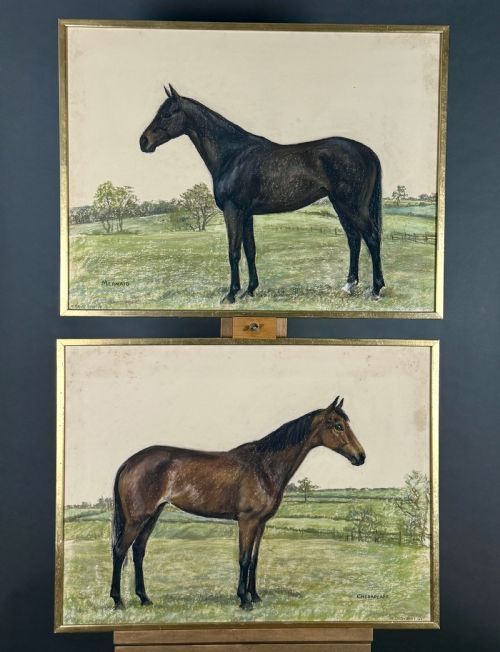
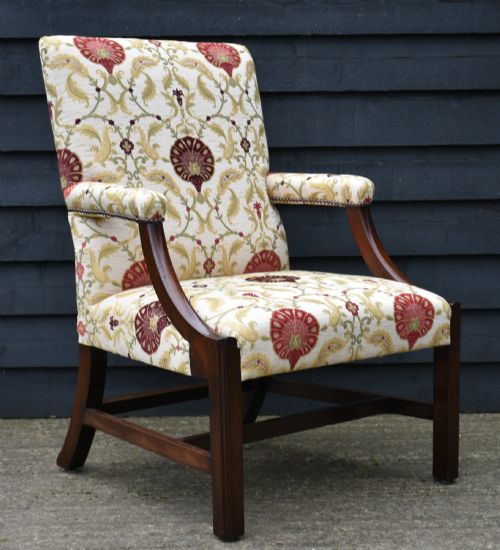
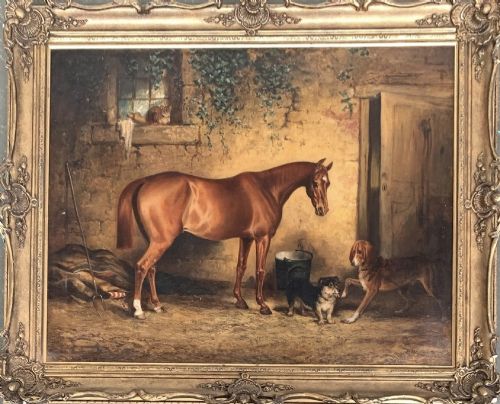
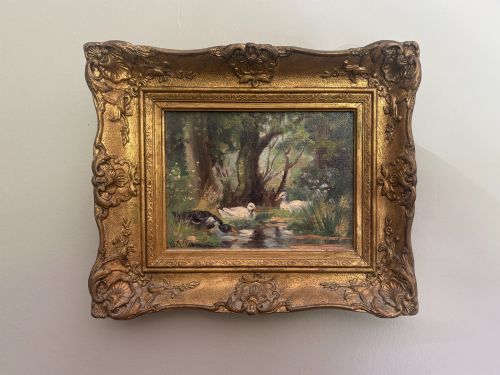
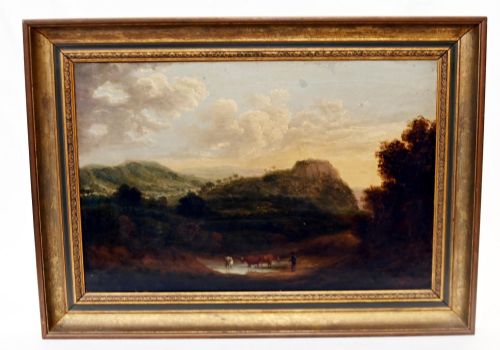
Armchairs, Windsor dining chairs and deep seat sofas dominate the seating category, often paired with large scale rugs, oil paintings and wall mirrors. Utility items such as boot scrapers, stick stands and letter boxes also feature prominently alongside formal side tables and dressers.
Materials and construction
Solid hardwoods such as oak, elm, mahogany and beech form the structural core of these items, selected for durability and strength. Secondary timbers like pine and fruitwood appear in concealed areas or smaller functional furnishings.
Traditional joinery techniques including mortise and tenon frames, hand dovetailing and turned spindles define the construction methods. Surface treatments rely on natural wax finishes, oil applications or traditional paint layers that develop patination through decades of daily handling.
Assessing quality
The standard of a country house antique rests upon timber selection and the integrity of its original construction. Pieces built from dense, well-figured heartwood with minimal modern intervention command greater respect than those compromised by extensive timber replacement.
Proportion and utility drive the distinction between standard utilitarian items and superior examples commissioned for principal rooms. Subtle details like hand-turned legs, balanced framing and depth of surface patination separate provincial utility from refined craftsmanship.
Whytock and Reid·Howard and Sons
The Country House Glossary
- Refectory table
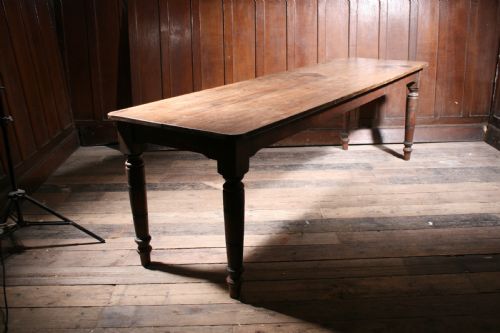
- A long, narrow dining table originally designed for communal dining halls. These heavy timber boards typically feature sturdy stretcher bases and substantial oak tops.
- Coffer
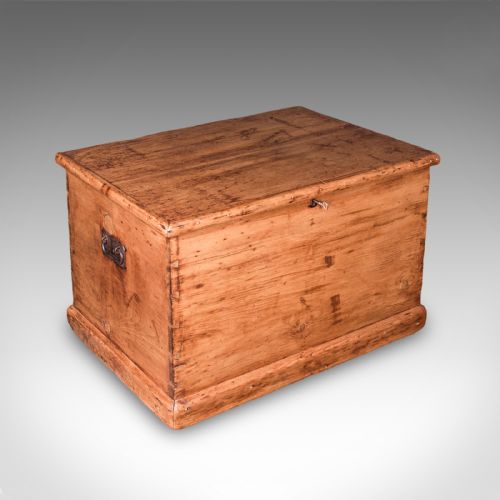
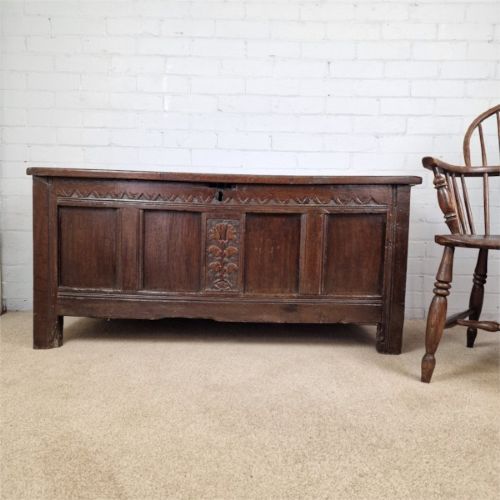
- A large rectangular chest used historically for storing valuables or linens. Early examples are constructed from solid oak or elm with boarded lids.
- Trumeau
- A decorative wall mirror combined with an oil painting or carved panel above the glass. These tall vertical pier mirrors originated in French interior decoration.
- Windsor chair
- A wooden chair featuring a solid sculpted seat into which the legs and back spindles are wedged directly. Regional variations display distinctive wheel backs or comb backs.
- Patina
- The deep, lustrous surface sheen developed on wood and leather through decades of handling, polishing and natural ageing. This quality is valued by collectors for evidencing genuine history.
Country House: Frequently Asked Questions
What defines a country house antique?
These items encompass robust furnishings and decorative objects originally made for large rural estates. They combine practical utility with vernacular design traditions spanning several centuries.
The aesthetic values comfort, durability and accumulated history over formal uniformity. Pieces range from grand mahogany dining tables to simple elm kitchen stools.
How do I care for antique wood furniture?
Maintain timber surfaces by applying traditional beeswax sparingly and buffing with a soft cloth. Avoid placing items near direct heat sources or strong sunlight to prevent splitting.
Allow the natural grain to breathe rather than applying modern varnishes or synthetic sealants. Gentle cleaning preserves the historic patination accumulated over generations.
How can I date an oak refectory table?
Examine the underside and joints for hand-cut pegged mortise and tenon construction. Tool marks, uneven hand-planed boards and timber shrinkage indicate older periods.
Early tables utilise solid oak with pegged stretchers, while later nineteenth and twentieth century reproductions often display uniform machine milling and modern metal fixings.
Where were these pieces used originally?
Furnishings originated in diverse rooms across sprawling country estates, including servants' quarters, kitchens, libraries and formal dining halls. Utility items served practical daily functions in boot rooms and hallways.
Grand reception rooms held large carpets, oil paintings and mahogany cabinets, while functional pine and beech pieces equipped the domestic service areas.