
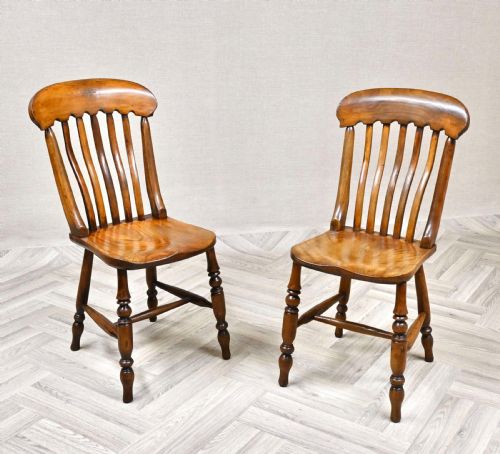
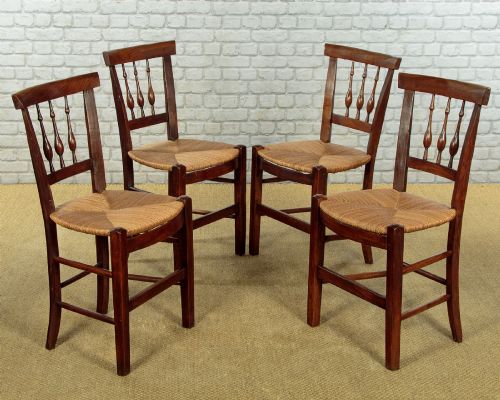
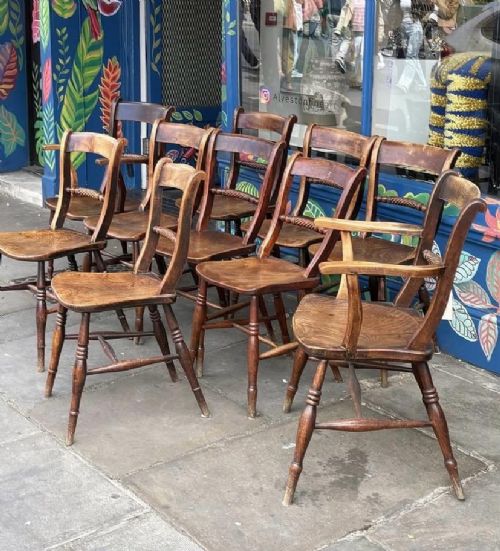
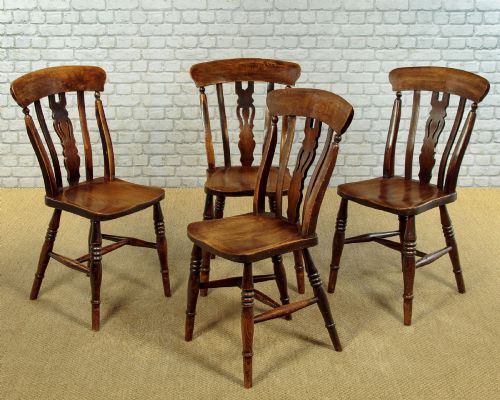
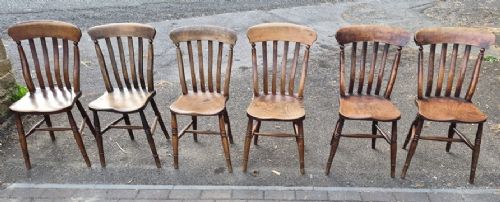
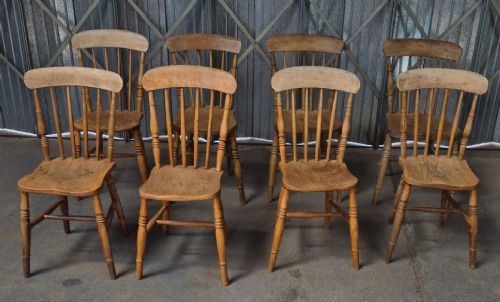
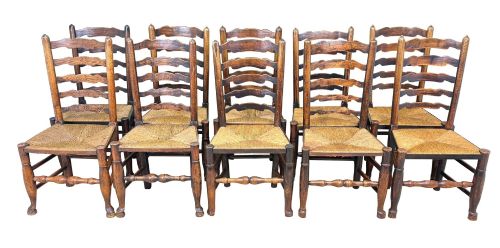

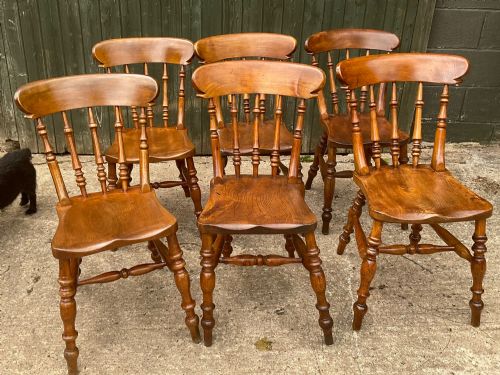



Country Cottage Side Chair
These country cottage side chair examples bring honest timber construction and vernacular seating into everyday rooms with enduring practicality.
Country Cottage Side Chair
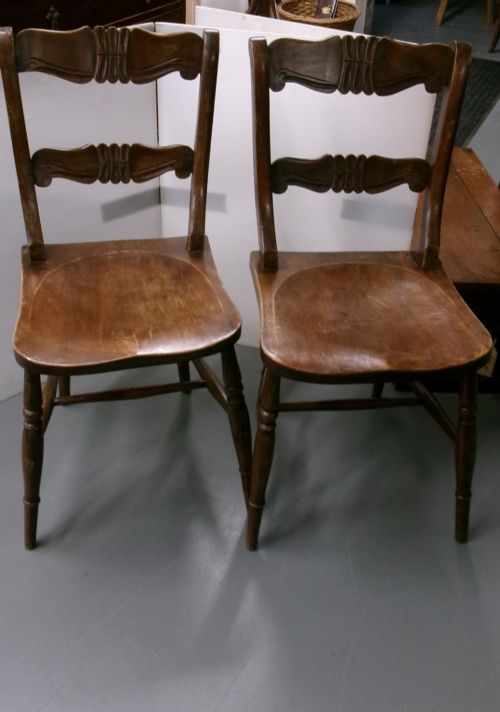
A country cottage side chair serves as a practical, unpretentious seat rooted in domestic vernacular traditions. These pieces encompass dining chairs, kitchen chairs, and stools originating from various regional workshops.
The selections span from the eighteenth century through the Victorian era, offering single chairs alongside matched and harlequin sets. Buyers frequently encounter elm, ash, and beech framing paired with woven rush or solid timber seats.
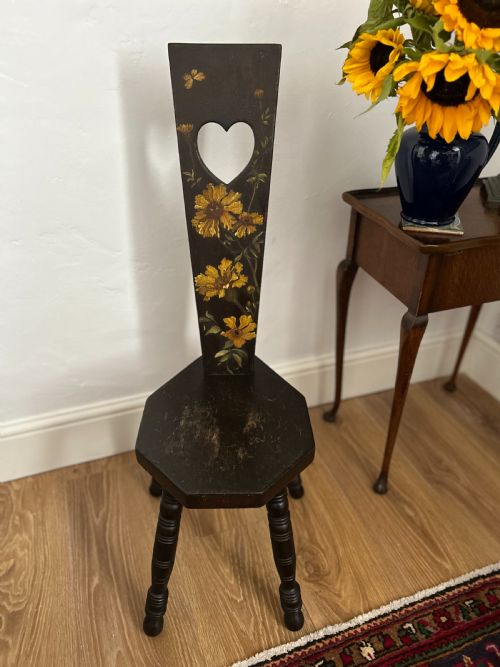
Regional variations shape these forms, including Thames Valley stick backs, Dales chairs, and Welsh spinning chairs. Each piece reflects the functional demands of historic rural homes.
Materials and Construction Methods
Local timbers such as elm, ash, beech, and oak provide the structural strength for these frames. Craftsmen selected these woods for their resilience and flexibility when turned or bent.
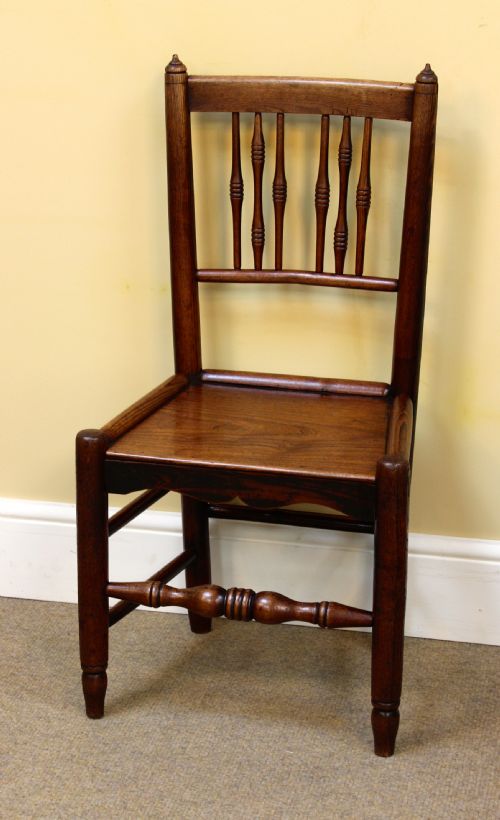
Seats incorporate solid turned wood or traditional plaited rush and súgán straw construction. Joinery relies on traditional pegging and spindle turning executed by regional wheelwrights and chair bodgers.
Listings feature eighteenth-century pieces alongside Victorian examples, utilising elm, ash, beech, and oak with rush or wood seats.
Factors Defining Quality
Superior examples display balanced proportions, robust timber selection, and minimal historic replacement in the framing or stretchers. The integrity of the original turnings and leg joints dictates the overall structural stability.
Original seat webbing, whether solid elm or woven rush, holds significant bearing on the piece's authenticity. Cohesive patination across matched sets elevates the desirability of these vernacular seating forms.
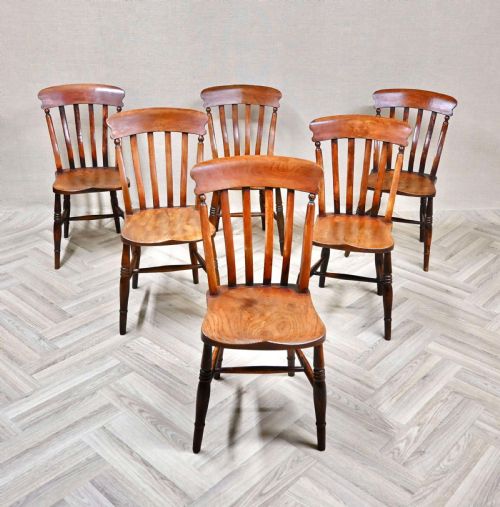
Worksop best model·Ormskirk rush seat
The Country Cottage Side Chair Glossary
- Windsor chair
- A wooden chair built with a thick solid timber seat into which the legs and back spindles are wedged directly. These designs often feature sculpted seats and bentwood hoops.
- Rush seat
- A seating surface woven from dried marsh rushes around a wooden frame. This technique creates a durable, slightly yielding platform common in vernacular seating.
- Spindle-back
- A chair back constructed from a series of slender turned vertical wooden rods. This method provides lightweight structural support without excessive bulk.
- Harlequin set
- A collection of chairs sharing similar periods or styles rather than originating from a single matched workshop batch. These groupings offer visual harmony through shared vernacular characteristics.
- Súgán chair
- An Irish regional chair type featuring a seat woven from straw or hay rope. The natural fibre provides a resilient and traditional seating base.
Country Cottage Side Chair: Frequently Asked Questions
How do I care for rush seats?
Keep rush seating dry and away from direct heat sources to prevent the natural fibres from becoming brittle.
Occasional gentle dusting helps maintain the material without introducing excessive moisture.
Are these chairs suitable for daily dining?
Most timber and rush examples were built for robust domestic use and handle everyday seating well.
Check joint stability periodically to ensure the historical construction remains secure under regular weight.
What defines a Thames Valley chair?
Thames Valley seating typically employs elm and ash with characteristic stick-back or Windsor framing.
These regional pieces often display refined turning and sculpted saddle seats typical of southern English workshops.
How are harlequin sets assembled?
Harlequin sets bring together individual chairs that share similar heights, periods, and vernacular styling.
This approach allows collectors to build a cohesive dining group from comparable single items.