





Country Breakfast Table
A country breakfast table brings sturdy everyday utility and unpretentious warmth into the home.
Country Breakfast Table
A country breakfast table brings together utilitarian forms and domestic charm, spanning several centuries of regional and provincial design. When buyers search for a country breakfast table, they encounter a range of sturdy surfaces intended for daily kitchen and dining use.
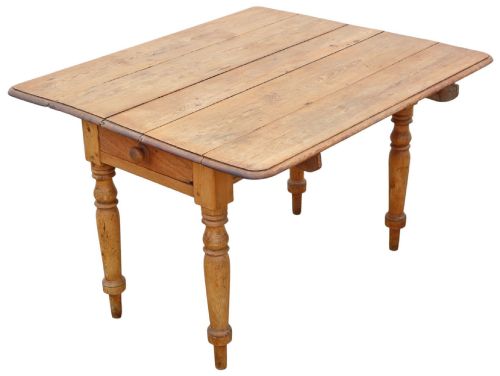
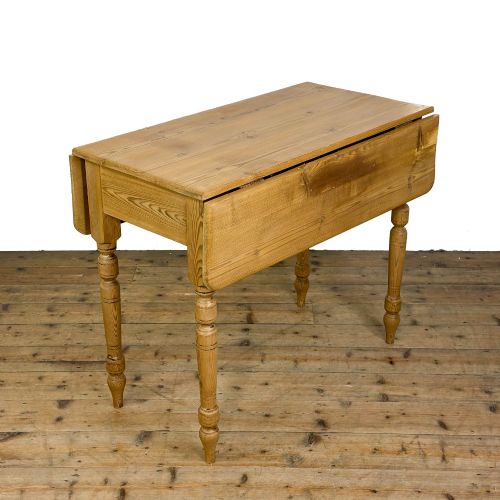
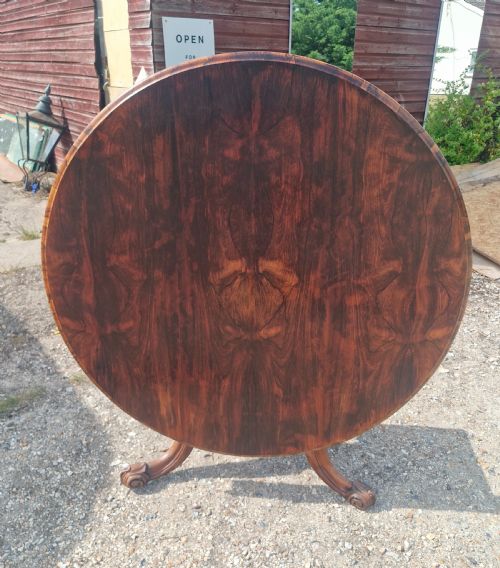
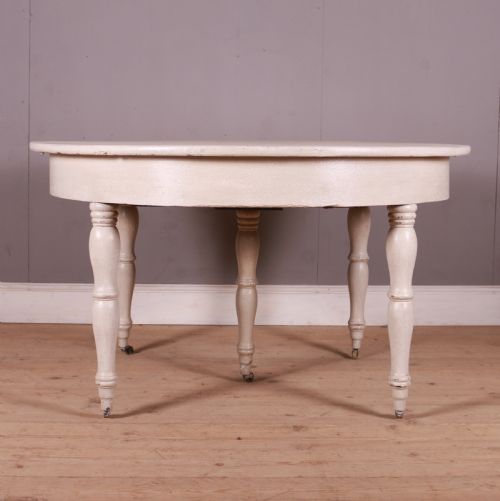
The selections available here showcase distinct forms, including folding drop-leaf mechanisms, tilt-top actions, and circular kitchen tables. These pieces emerge from the 18th century, the 19th century, and the Victorian era, reflecting straightforward utility.
Originating from English, French, and Austrian traditions, these tables vary from rustic farmhouse iterations to refined provincial styles. Pine, elm, and oak dominate the selection, accompanied by painted finishes and occasional rosewood and yew wood pieces.
How they were made
Construction relies heavily on domestic timbers such as pine, elm, and oak, selected for durability and accessibility in regional workshops. Carpenters utilised solid boards for table tops, joining them to robust frames capable of withstanding heavy daily use.
Functional mechanisms define many examples, including drop-leaf hinges, folding leaves, and pivoting tilt-top mechanisms fitted with brass or iron fixings. Painted wood surfaces appear alongside natural timber finishes, protecting the underlying wood while imparting regional character.
Country Breakfast Table Retail Price Guide 2026
Typical asking prices for country breakfast table among the pieces listed under this phrase on Sellingantiques today, from the lower quarter to the upper quarter. They describe what is for sale here now, not the wider market.
Listings span the 18th century, the 19th century, and the Victorian era, utilising pine, elm, oak, and painted wood.
What varies in quality
Quality rests upon the integrity of the timber selection and the retention of original surfaces, whether unpainted grain or early painted finishes. Tables featuring figured rosewood or older elm display superior material selection compared to standard utilitarian pine.
The execution of mechanical elements such as drop-leaf actions and tilt-top pivots demonstrates the skill of the original maker. Substantial construction in the frame and legs separates robust provincial work from simpler domestic items.
The Country Breakfast Table Glossary
- Drop leaf
- A table top with hinged flaps on the sides that fold down to save space when not in use.
- Tilt top
- A mechanism allowing the table top to pivot to a vertical position for storage against a wall.
- Provincial
- Design characteristics originating from regional areas outside major metropolitan style centres.
- Treen
- Small handmade wooden household objects and utensils produced by local turners.
- Centre table
- A freestanding piece finished on all sides intended to stand away from walls in the middle of a room.
Country Breakfast Table: Frequently Asked Questions
What materials are used for these tables?
Construction materials include domestic timbers such as pine, elm, and oak, alongside occasional rosewood and yew wood.
Surfaces also feature painted wood finishes alongside natural timber grains.
How do drop leaf tables function?
Drop leaf tables incorporate hinged side flaps that lift to extend the surface area for dining.
Swiveling brackets or hinged legs support the extended leaves during use.
Where did these styles originate?
These pieces originate from English, French, and Austrian regional workshops and provincial traditions.
Designs reflect local material availability and straightforward domestic utility.