



Corinthian Standard Lamp
These corinthian standard lamp pieces bring classical architectural dignity and steady illumination to a room.
Corinthian Standard Lamp
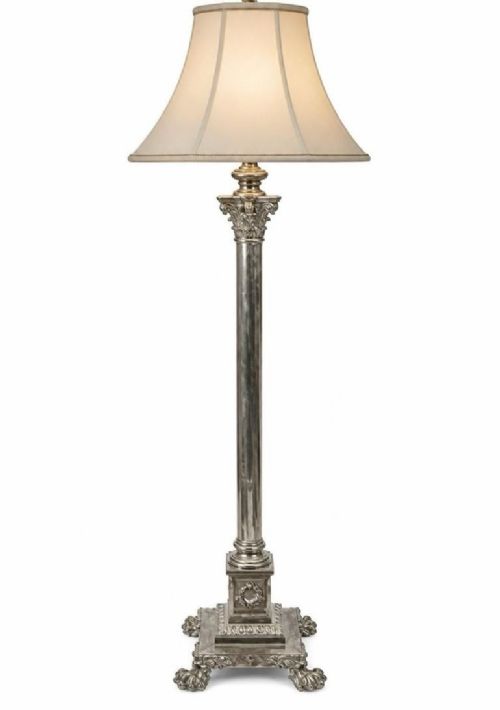
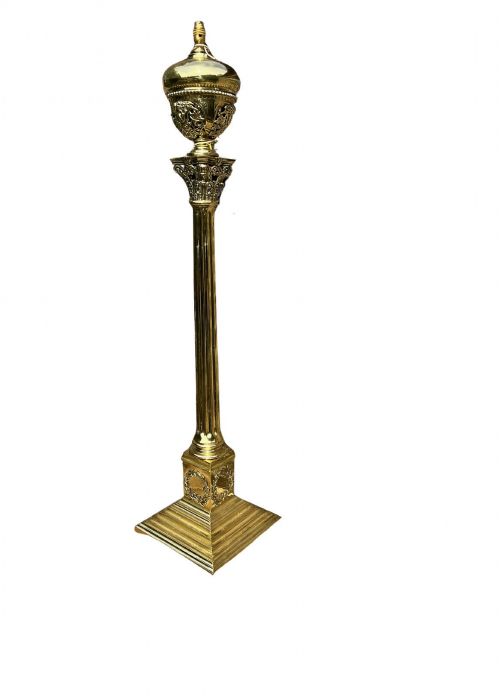
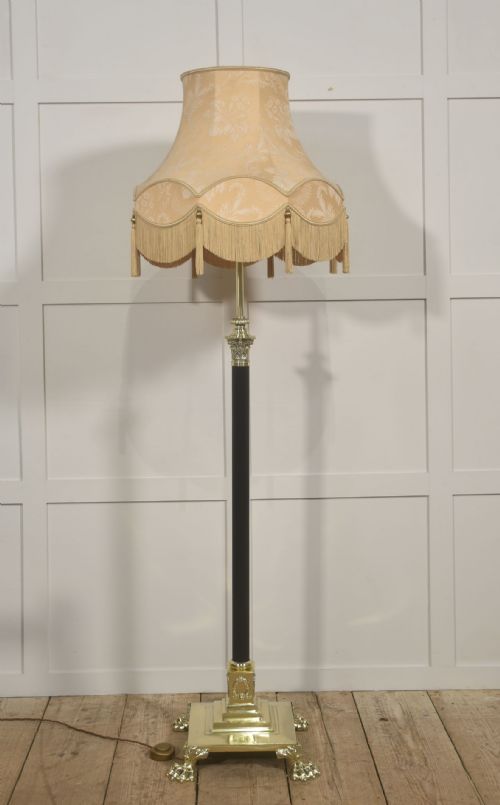
A corinthian standard lamp stands tall on a fluted or smooth column topped with acanthus leaf capitals, echoing ancient architectural orders. You are most likely to meet brass examples dating from the Victorian and Edwardian periods, frequently featuring telescopic shafts for adjustable height.
These floor lamps originate from the nineteenth and early twentieth centuries, spanning eras like the Victorian, Edwardian, and the 1920s and 1930s. Makers adapted classical oil lamp forms and column designs to accommodate electrical wiring as homes modernised.
Forms vary from monumental brass columns to combinations with marble bases or silver plate. While floor lamps dominate, related standard lamps and table lamp variants also appear within the neoclassical revival style.
How they were made
Metalworking techniques defined these pieces, utilising cast brass, silver plate, and gilt bronze to build sturdy shafts and detailed capitals. Columns were often paired with heavy marble bases to provide necessary balance for the tall upright structures.
Adjustable mechanisms formed an important part of the construction, allowing telescopic stems to raise and lower the light source. Silk damask and fabric shades completed the assembly, diffusing light from the burner or electrical fitting.
Corinthian Standard Lamp Retail Price Guide 2026
Typical asking prices for corinthian standard lamp among the pieces listed under this phrase on Sellingantiques today, from the lower quarter to the upper quarter. They describe what is for sale here now, not the wider market.
Some columns retain traces of Victorian soot inside the hollow shafts, hinting at decades spent hovering over paraffin oil burners.
What varies in quality
The crispness of the casting on the Corinthian capital separates standard work from finer pieces, as sharp definition in the acanthus leaves requires skilled hand-chasing. Heavier gauge brass and solid marble sections add substantial weight and stability compared to lighter, thinner metals.
The inclusion of a functioning telescopic mechanism demonstrates better initial manufacture, offering versatility in height adjustment. Surface finishes such as silver plating or retained gilding also elevate the standing of an individual lamp.
Hinks
The Corinthian Standard Lamp Glossary
- Capital
- The decorative uppermost part of a column, typically carved with acanthus leaves in the Corinthian order. It forms the crown just beneath the lamp fitting.
- Telescopic
- An adjustable stem construction allowing the lamp height to be raised or extended. This mechanical feature enabled users to alter the reach of the light.
- Neoclassical Revival
- A nineteenth-century design movement drawing directly on classical Greek and Roman architecture. This style dictates the columnar shafts and classical proportions seen on these lamps.
- Silver Plate
- A thin layer of silver applied over a base metal foundation such as brass. It offers the appearance of solid silver while maintaining structural rigidity.
Corinthian Standard Lamp: Frequently Asked Questions
How do I adjust the height?
Many examples feature a telescopic brass stem with a thumb screw or internal friction mechanism to raise and lower the column. Loosen the collar gently before sliding the inner shaft to your preferred position.
Support the top section with one hand while adjusting to prevent sudden drops that might strain the wiring or metal joints.
Were these originally for oil or electricity?
A significant portion began life as oil lamps before being converted to electricity as domestic power supplies expanded. Others were manufactured during the early twentieth century specifically for electric wiring.
Examine the upper collar and base aperture for signs of former burners or wick mechanisms to determine its original configuration.
How do I clean the brass?
Dust the surface regularly with a soft, dry cloth to prevent grime accumulation in the deep crevices of the Corinthian capital. Avoid harsh chemical polishes that strip away age-appropriate patination.
Consult a professional restorer if the metal requires deeper cleaning or if you need to preserve a dark, untouched historic finish.
Where should I place a standard lamp?
These tall floor lamps suit corners of reception rooms or beside seating where they provide functional downward illumination and architectural height. Ensure the heavy marble or brass base rests on level flooring.
Keep the lamp clear of heavy foot traffic to protect the delicate proportions and the electrical cord running from the base.