





Copper Topped Table
These copper topped table examples combine hand-hammered metal surfaces with timber and iron frames across Victorian, Edwardian and Art Nouveau periods.
Copper Topped Table
A copper topped table brings a warm, reflective metallic surface to domestic spaces, combining functional wooden or iron frames with distinctive metal insets. When searching for a copper topped table, buyers encounter varied forms ranging from low coffee tables and side tables to occasional pieces and garden sets.
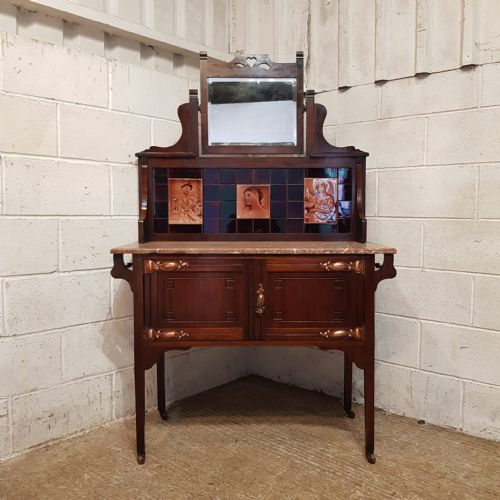
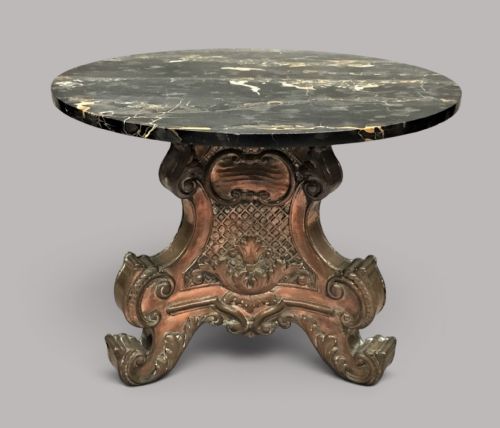
The pieces appearing on this page span the nineteenth century into the 1930s, including Victorian, Edwardian and Art Nouveau designs. Traditional country examples sit alongside Anglo-Indian tray tables and French industrial items, showing how diverse these furnishings remain.
Materials and construction methods
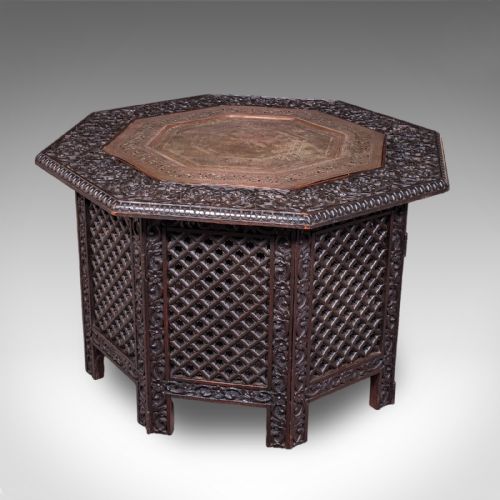
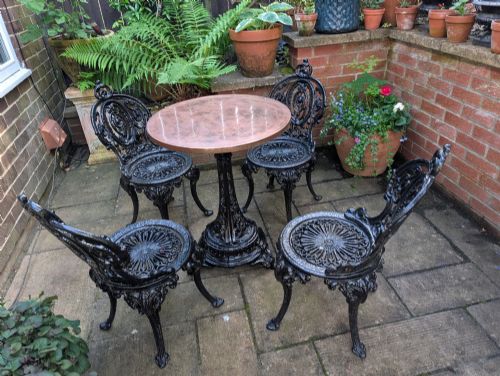
Makers built the structural frames of these tables using hardwoods such as oak, mahogany, teak and regional Indian timbers, paired with cast iron and brass for industrial or garden use. The metallic tops feature beaten or engraved copper insets, sometimes decorated with complex chased patterns and floral motifs.
Craftsmen secured the metal surfaces into wooden recesses or onto folding stands, combining traditional cabinetmaking joints with metalworking techniques like riveting and soldering. These methods ensured the heavy metal insets remained stable within their wooden or iron surrounds.
Copper Topped Table Retail Price Guide 2026
Typical asking prices for copper topped table among the pieces listed under this phrase on Sellingantiques today, from the lower quarter to the upper quarter. They describe what is for sale here now, not the wider market.
Listings feature oak, mahogany, teak, and cast iron paired with hand-etched copper sheets.
Distinguishing quality in construction
Quality reveals itself in the depth and crispness of the hand-engraving on the copper plate, where finer examples display intricate, well-defined motifs rather than shallow stamping. The weight and gauge of the metal sheet also indicate standards, with thicker copper resisting dents and maintaining its plane better over decades.
The joinery of the supporting frame separates standard production from superior craftsmanship, particularly in the tightness of joints and the selection of figured timbers like oak and mahogany. Harmony between the metal top and its base signals thoughtful design, rather than a later marriage of disparate elements.
B Battioli, Varese
The Copper Topped Table Glossary
- Benares
- A style of brass and copper ware originating from Uttar Pradesh, featuring dense, hand-etched floral and figurative designs. These trays were often exported to Britain during the Victorian and Edwardian periods to serve as table insets.
- Tray table
- A piece of furniture comprising a removable metal or wooden tray resting upon a folding or fixed stand. This form allowed for easy serving and versatile placement in nineteenth-century interiors.
- Arts and Crafts
- A design movement valuing hand craftsmanship, simple forms and honest materials over mass production. Pieces from this period often highlight the natural texture of hammered copper alongside solid oak frames.
- Cast iron
- An alloy melted and poured into moulds to create rigid, decorative frames and garden furniture bases. It provides heavy, stable support for outdoor and industrial tables.
Copper Topped Table: Frequently Asked Questions
What periods do these tables come from?
The pieces span from the nineteenth century through the Edwardian era and into the nineteen-thirties. They encompass Victorian, Art Nouveau and Arts and Crafts movements.
Individual pieces reflect the manufacturing traditions of their respective decades, utilising regional timbers and specific metalworking styles.
How do I care for a copper top?
Copper develops a natural patina over time through exposure to air and handling. Regular dusting and gentle cleaning preserve this aged surface without removing character.
Harsh abrasive cleaners will strip the warm tones and scratch the soft metal. Use mild soapy water and dry thoroughly.
Are the copper trays removable?
Many examples feature inset trays that lift directly out from the wooden frame or folding stand. This design originated from practical serving needs in period homes.
Other pieces are permanently fixed to their timber or iron bases during construction. Check the specific mounting style of each item.
Where were these tables made?
Origin locations vary widely, including British workshops, French industrial centres and Italian studios. Many pieces also derive from Anglo-Indian craftsmanship.
Imported trays from regions like Benares were frequently paired with locally made British timber stands during the Victorian era.