





Copper Fireplace Cauldron
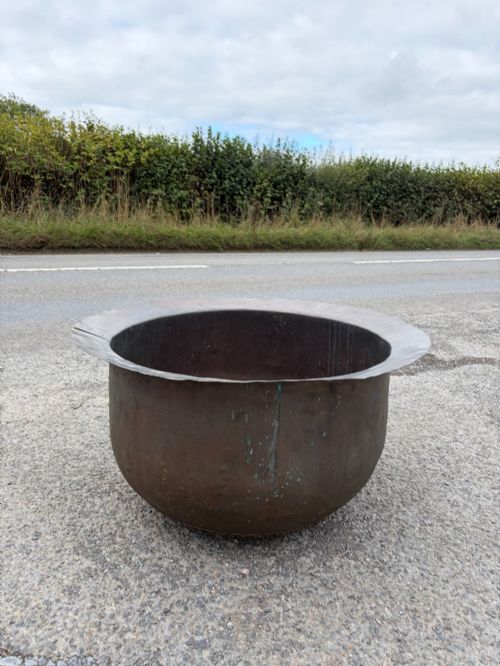
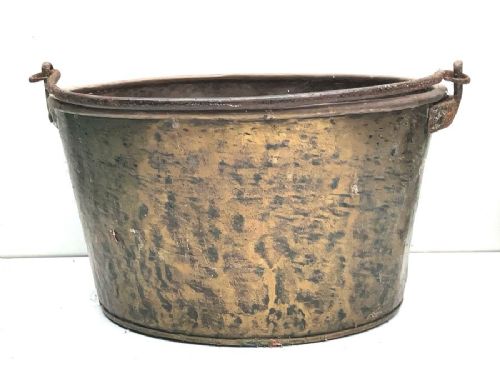
A copper fireplace cauldron brings hearthside warmth with rich metal tones, serving as a practical log bin or rustic planter.
Copper Fireplace Cauldron
A copper fireplace cauldron acts as a striking receptacle beside the hearth, frequently serving dual purposes as a log bin, coal bucket, or planter. These vessels range from Georgian cookware to Victorian and Art Deco examples.
The pieces appearing here span the eighteenth, nineteenth, and early twentieth centuries, encompassing Georgian, Victorian, and rustic country styles. Buyers most commonly encounter large nineteenth-century pots and log bins adapted for modern firesides.
Materials and construction methods
Metalworking techniques rely heavily on hand-beaten copper panels joined by visible rivets, paired with contrasting brass handles or iron swing mechanisms. Artisans shaped these robust metals to withstand daily hearth use.
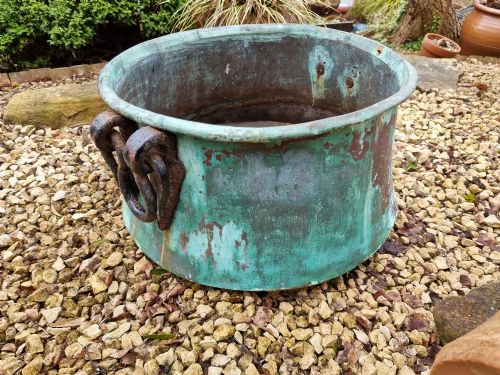
Surfaces often show natural verdigris finishes or embossed detailing, reflecting utilitarian origins and decorative nineteenth-century tastes alike.
Copper Fireplace Cauldron Retail Price Guide 2026
Typical asking prices for copper fireplace cauldron among the pieces listed under this phrase on Sellingantiques today, from the lower quarter to the upper quarter. They describe what is for sale here now, not the wider market.
Object forms include log bins, coal buckets, garden planters, and traditional cooking pots.
Assessing quality and character
Substantial gauge metal and sturdy construction distinguish heavier vessels from lighter decorative items, determining durability for heavy logs and coal. Original riveted joins and integrated brass mounts add considerable integrity.
Patina depth and surface integrity dictate visual appeal, where aged copper tones and authentic wear reveal genuine period utility over later reproduction pieces.
The Copper Fireplace Cauldron Glossary
- Cauldron
- A deep round metal pot, traditionally used for cooking or heating, adapted here for fireside storage.
- Verdigris
- A green patina formed naturally on copper and brass surfaces through atmospheric oxidation over long periods.
- Riveted
- Joined together using metal bolts hammered flat at the ends, common in heavy nineteenth-century vessel construction.
- Dinanderie
- Objects made of beaten brass or copper, encompassing medieval and later decorative domestic metalware.
- Swing handle
- A movable arched metal handle attached to the sides of a pot or bucket for lifting.
Copper Fireplace Cauldron: Frequently Asked Questions
How do I clean a copper cauldron?
Wash the surface gently with warm soapy water and a soft cloth to remove dust without stripping the aged patina.
Avoid harsh chemical abrasives that destroy the historical finish and natural verdigris tones.
Can I use these outdoors as planters?
Many large nineteenth-century pots and log bins function well as garden planters for small trees or shrubs.
Ensure adequate drainage if placing damp soil directly inside antique metal vessels.
Are these cauldrons safe for open fires?
These items serve primarily as decorative log bins, coal buckets, or planters rather than active cooking vessels.
Placing dry logs inside avoids moisture damage and preserves the internal metal structure.
How do I date a copper piece?
Examine the construction methods, such as hand-hammered panels, rivet types, and handle attachments typical of Georgian or Victorian periods.
Style indicators like Art Deco dinanderie or Georgian proportions provide reliable chronological markers.