




Copper Cane Stand
A copper cane stand is a utilitarian hallway piece combining warmth of metal with sturdy function, perfect for organising walking sticks.
Copper Cane Stand
A copper cane stand is an umbrella and stick stand designed for the hallway, keeping floors dry and walking aids tidy. The pieces seen here typically double as umbrella stands, serving the same domestic purpose.
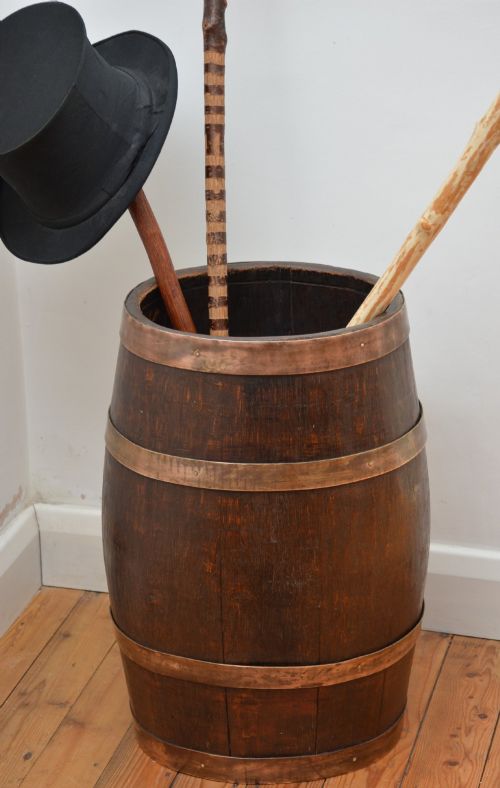
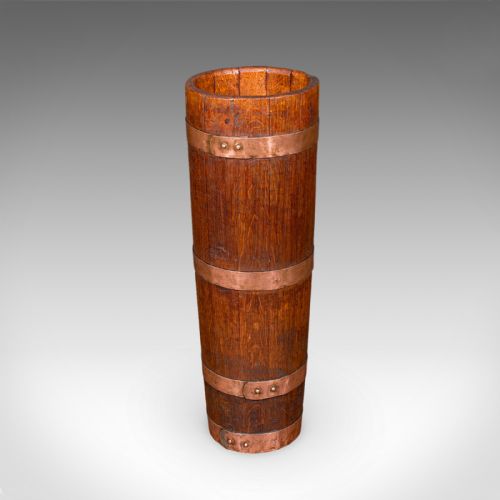
Most examples hail from the Victorian era and the nineteenth century, including specific periods like early Victorian and the 1850s to 1880s. Makers produced these in forms ranging from simple cylindrical buckets to coopered wooden barrels bound in metal.
Buyers will encounter distinct stylistic branches, notably plain Victorian utility pieces and more decorative Arts and Crafts interpretations. These functional items reflect the daily demands of nineteenth-century domestic life in English country houses and halls.
How they were made
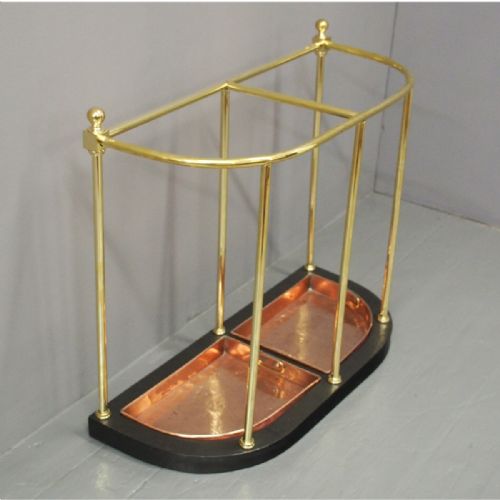
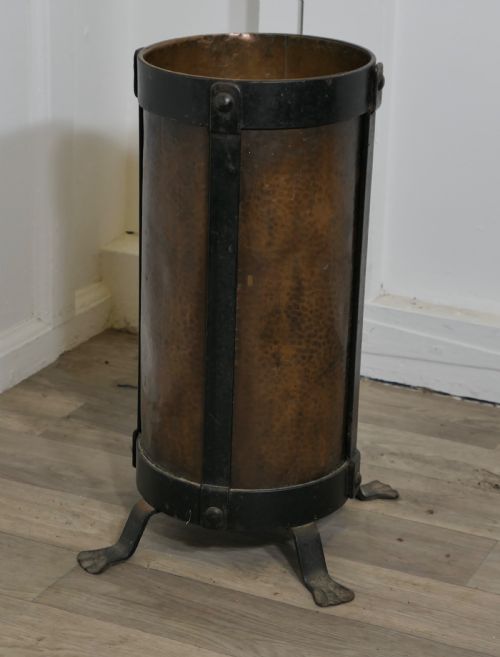
Metalwork dominates construction, utilising copper sheeting combined with iron bindings, brass elements, and cast or wrought iron components. Artisans shaped these metals to form durable umbrella buckets and stick retainers capable of handling wet gear.
Woodworking traditions also play a central role, seen in the use of oak for coopered barrel designs. Coopers utilised traditional stave techniques, binding wooden staves with iron or copper hoops to create robust umbrella stands.
One exceptional stand even served the Honourable Company of Edinburgh Golfers, holding clubs or canes for sporting gentlemen.
What varies in quality
The distinction between standard utility items and finer examples rests on craftsmanship and material combination. Pieces featuring mixed metals like brass and copper, or robust iron bindings on golden copper, show greater ambition in design.
Provenance and stylistic execution set exceptional pieces apart from ordinary hall equipment. Items linked to specific institutions or manifesting distinct Arts and Crafts design sensibilities demonstrate superior historical interest.
The Copper Cane Stand Glossary
- Coopered
- Constructed from wooden staves fitted together side by side and bound by hoops, traditionally used for barrels and tubs. This technique appears in oak country house umbrella stands.
- Arts and Crafts
- A design movement promoting handcraftsmanship and simple forms over mass production. Pieces from this style often feature exposed metalwork and honest construction.
- Wrought Iron
- Iron beaten into shape while hot by a blacksmith, yielding a fibrous structure and sturdy durability. It provides structural support in mixed metal umbrella buckets.
- Stick Stand
- A piece of furniture designed specifically for holding walking sticks, canes, and umbrellas in an entrance hall. These objects keep hallways orderly.
Copper Cane Stand: Frequently Asked Questions
Where did these stands sit?
These umbrella and stick stands stood in the hallways and entranceways of country houses and town residences. They provided a designated spot for wet umbrellas and walking sticks upon entering the home.
Positioned near the front door, they protected interior wooden floors and carpets from dampness. Hallways thus remained tidy and functional for residents and visitors alike.
How do I date a piece?
Dating relies on stylistic clues, construction methods, and materials recorded across the nineteenth century. Victorian pieces often display heavier cast iron or oak coopered construction, while Arts and Crafts examples show specific decorative metalworking traits.
Specific dates such as eighteen-fifty or eighteen-eighty point to mid-to-late nineteenth-century manufacturing periods. Comparing the mix of copper, brass, and iron helps narrow down the era of production.
Can these hold modern umbrellas?
These nineteenth-century holders were built for traditional walking sticks, canes, and umbrellas of the period. Their internal dimensions accommodate standard modern umbrella shafts and walking aids without difficulty.
Users should ensure the metal or wooden base remains dry after storing wet items to protect the historical materials. Normal daily use in a contemporary hallway suits these durable containers well.
What metals are used?
Construction primarily involves copper, often paired with iron, wrought iron, cast iron, or brass. These metals provided the necessary strength and water resistance for daily hallway use.
Golden copper sheets and iron bindings appear frequently in the available nineteenth-century inventory. Each metal contributes to the structural integrity and visual character of the stand.