

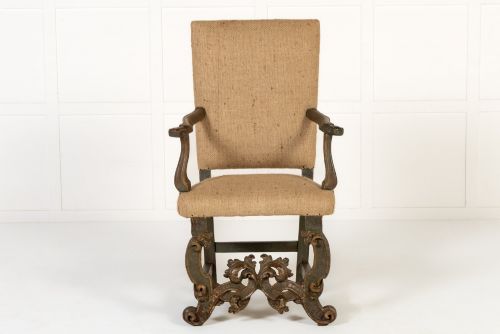


Continental Chair
A continental antique chair brings centuries of European craftsmanship into a room, offering diverse styles from rustic pine benches to gilded salon suites.
Continental Chair
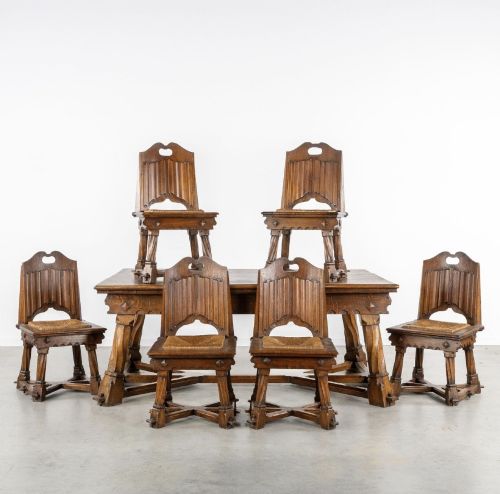
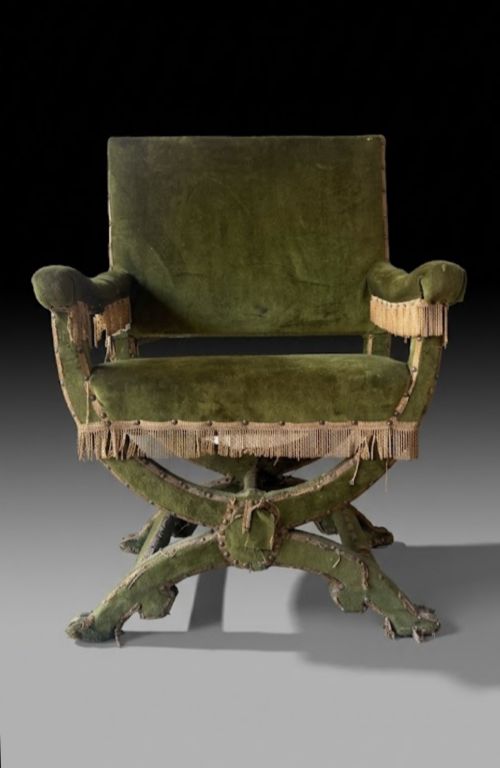
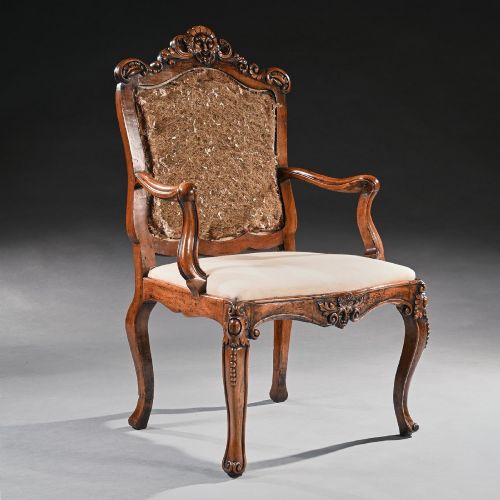
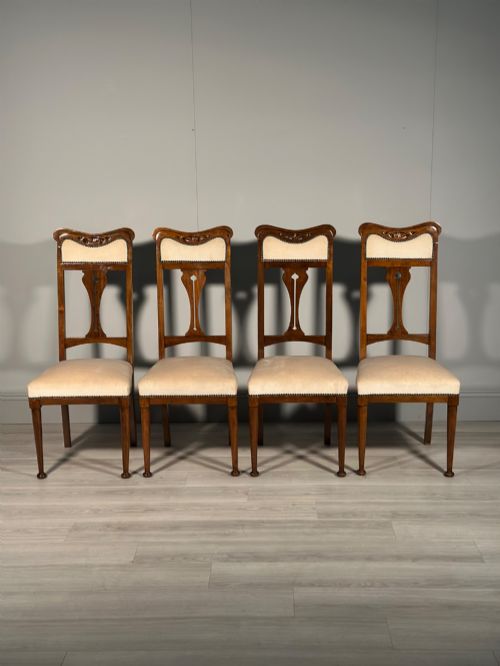
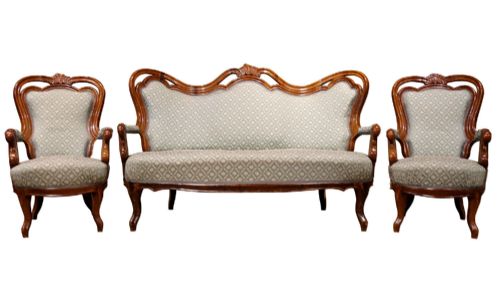
A continental antique chair spans centuries of European design, encompassing forms such as armchairs, side chairs, salon suites, settees, benches, high chairs, and hall chairs. Buyers browsing this page encounter pieces originating from diverse European regions, reflecting distinct historical periods from the seventeenth century onward.
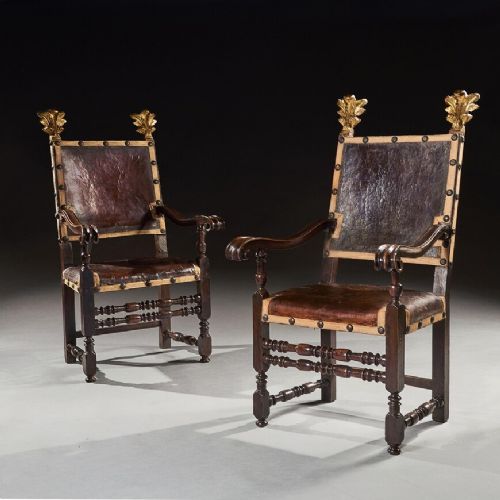
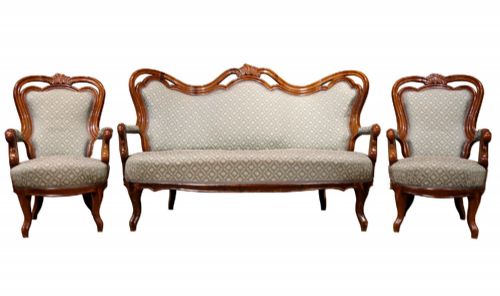
The selection frequently includes walnut armchairs and side chairs, alongside painted items and salon suites. Pieces emerge from traditions including Italian Baroque and Rococo Revival, Biedermeier, Dutch Baroque, and Renaissance Revival, as well as European country aesthetics.
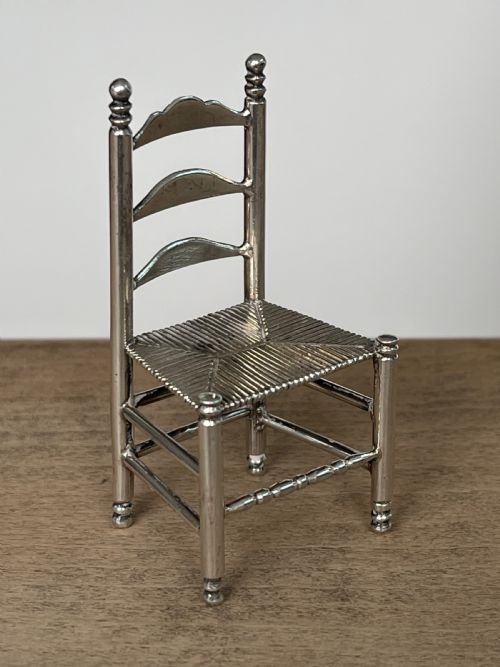
Smaller curiosities like silver miniatures also appear alongside full-scale seating. Each form tells a story of its domestic or formal origin across the continent.
Materials and construction
Walnut, wood, maple, and satinwood form the structural backbone of these pieces, shaped through traditional joinery and carving techniques. Metal embellishments such as brass details often complement the wooden frames.
Surfaces frequently receive decorative treatments including gold leaf, silver gilt, paint, or original painted finishes. Upholstery incorporates textiles, fabric, leather, hessian, and needlepoint to pad the seats and backs.
Continental Chair Retail Price Guide 2026
Typical asking prices for continental chair among the pieces listed under this phrase on Sellingantiques today, from the lower quarter to the upper quarter. They describe what is for sale here now, not the wider market.
Listings feature periods spanning from the seventeenth century through to mid-twentieth century miniatures, utilising walnut, satinwood, and painted pine.
Distinguishing quality
The refinement of carved ornament and the integrity of the timber frame define the upper tier of pieces. Expert manipulation of walnut and the precision of gilding separate ambitious workshop output from simpler utilitarian seating.
Original surface treatments, whether historic paint or patinated leather, carry greater aesthetic weight than later interventions. The harmony between the structural woodwork and the decorative upholstery dictates the enduring presence of each chair.
The Continental Chair Glossary
- Baroque
- An ornate historical style characterised by dramatic curves and rich surface treatment. It frequently manifests in heavy walnut frames and lavish gilding.
- Rococo Revival
- A nineteenth-century movement emulating earlier asymmetric eighteenth-century scrolls and natural motifs. This style appears prominently on salon suites and parlor seating.
- Biedermeier
- A Central European style focusing on clean lines and domestic comfort over heavy ornament. It often utilises light woods like satinwood and maple.
- Caquetoire
- A type of sixteenth-century style armchair designed for conversation, featuring a narrow body and santed arms. Examples survive into later centuries with regional variations.
- Parcel-Gilt
- A decorative technique where selected portions of an object receive a gold leaf application while underlying materials remain visible. It accentuates carved details on walnut furniture.
Continental Chair: Frequently Asked Questions
How do I identify a baroque chair?
Baroque seating relies on heavy walnut construction, dynamic carved scrolls, and often parcel-gilt or silver gilt finishes. These pieces project theatrical presence and architectural weight.
They date primarily from the seventeenth and early eighteenth centuries, or later revivals adopting the same dramatic visual vocabulary.
What is a salon suite?
A salon suite comprises a matching set of seating furniture, typically including a settee and armchairs designed for formal reception rooms. They display unified stylistic elements such as Rococo Revival carving or matching upholstery.
Such suites provide a cohesive decorative scheme for large interiors.
Where were painted chairs made?
Painted seating emerges from various European traditions, including Hungarian folk pieces in old pine and Dutch or regional kitchen chairs. Painters utilised simple pigments or elaborate decorative motifs depending on the intended domestic setting.
These items range from modest high chairs to country benches.
How do I care for antique leather?
Antique leather requires gentle maintenance to preserve its historic surface and prevent cracking. Avoid harsh chemical cleaners and keep pieces away from direct heat sources.
Allowing the natural patina to endure maintains the integrity of the material.