



Compact Wood Bookshelf
A compact wood bookshelf brings order to tight corners, offering sturdy shelves that hold daily reading close at hand.
Compact Wood Bookshelf
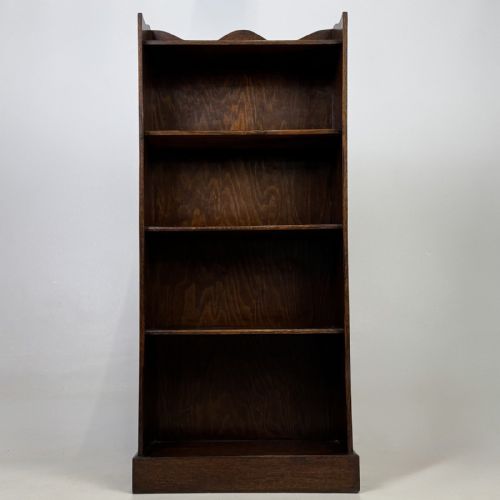
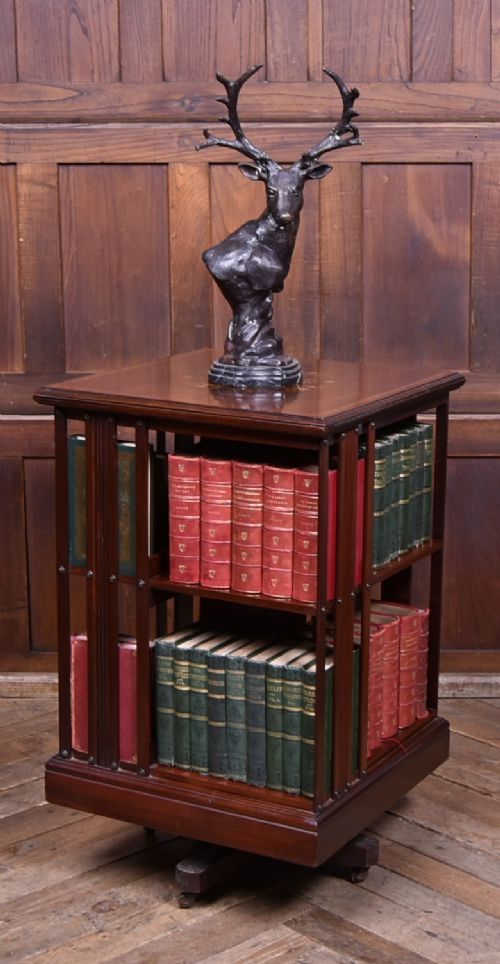
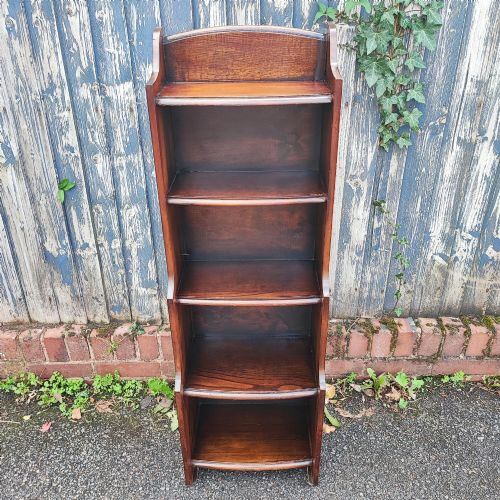
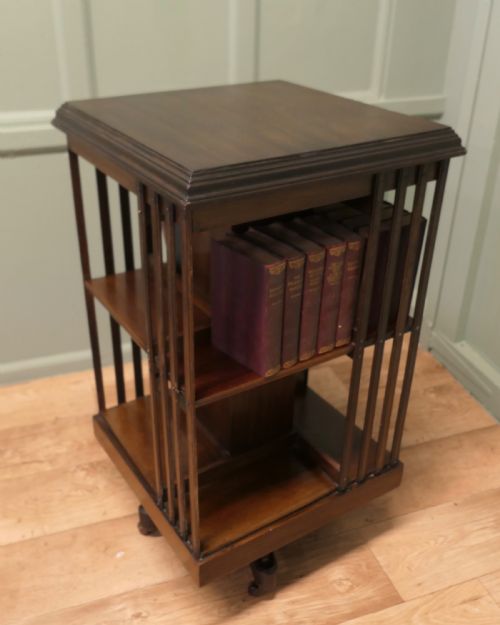
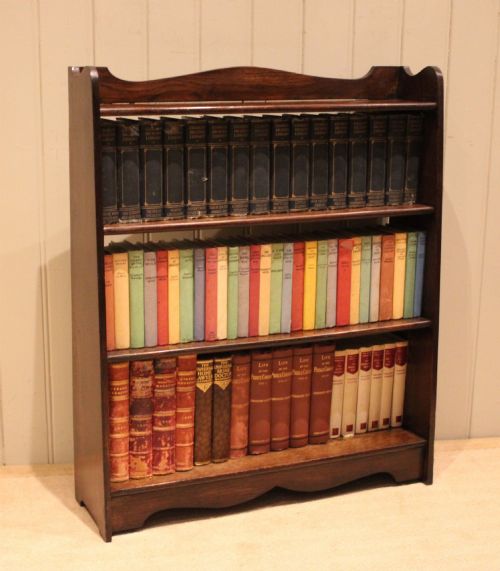
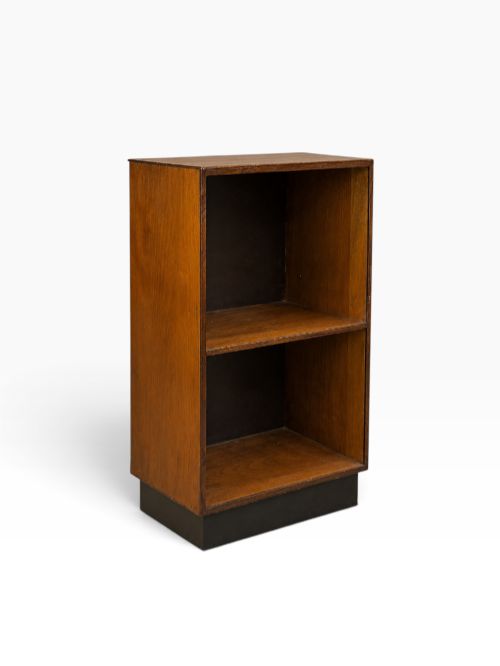
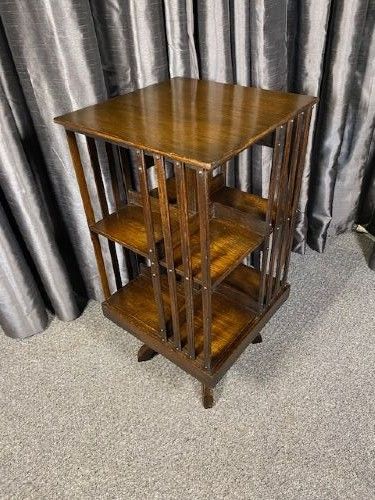
A compact wood bookshelf provides sensible storage for small spaces using traditional timber construction. These pieces range from open dwarf shelving to revolving designs that sit comfortably in studies or sitting rooms.
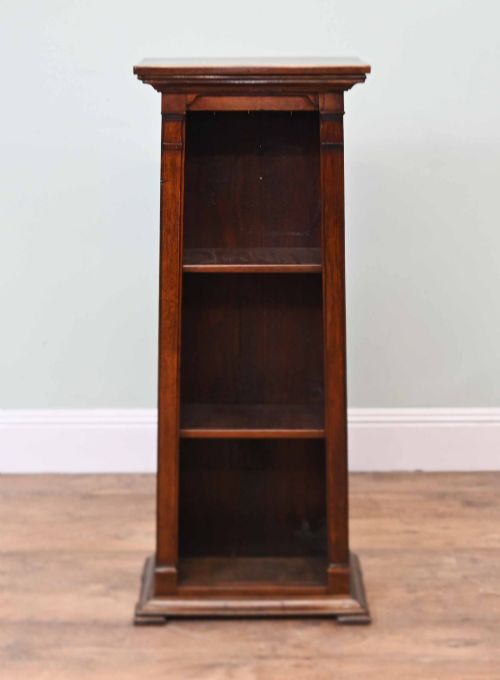
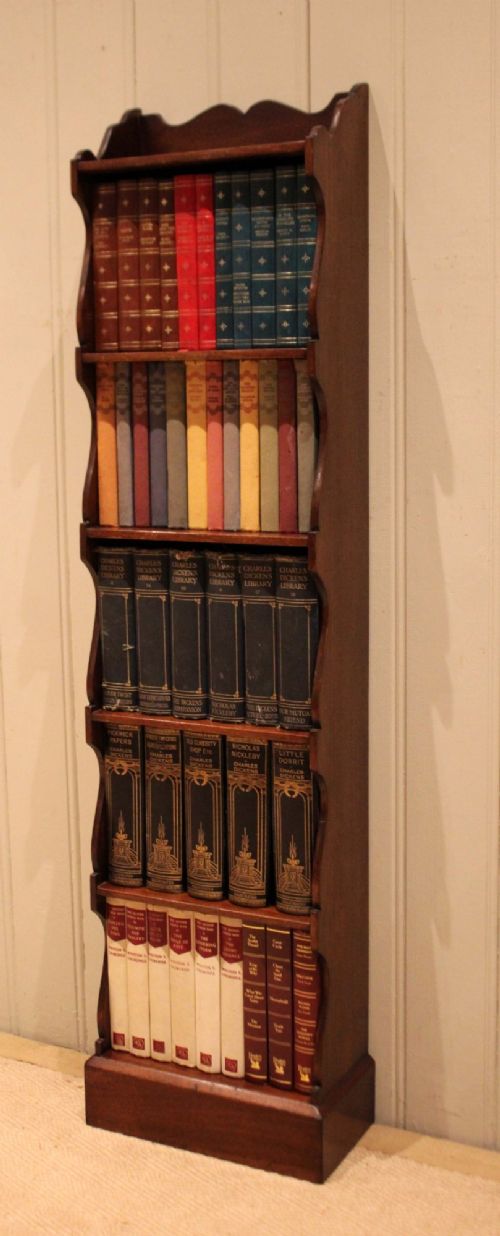
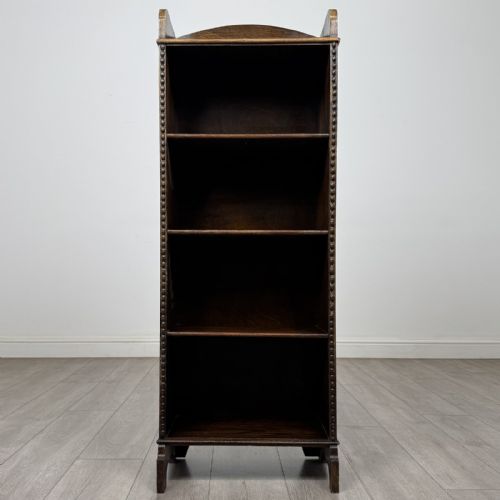
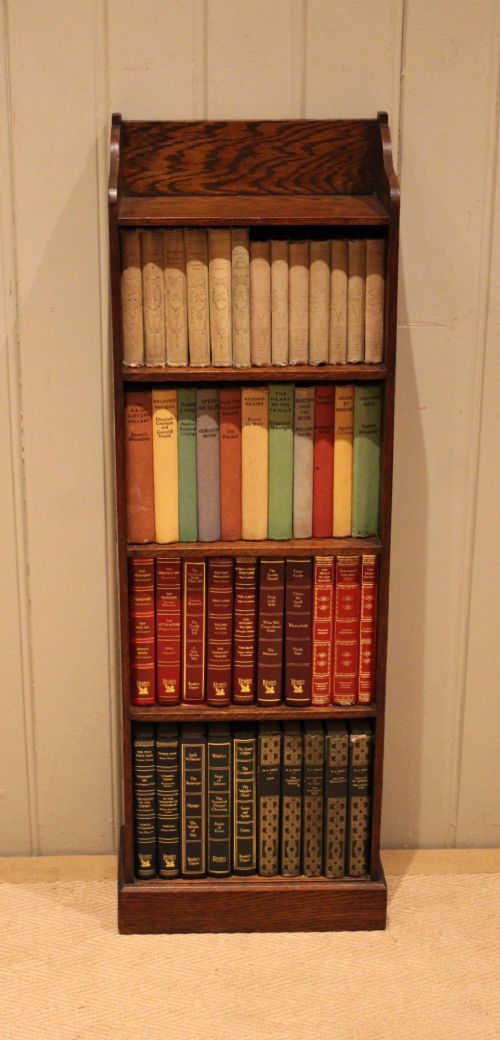
Most examples found here date from the nineteenth and twentieth centuries, spanning Victorian, Edwardian, and Art Deco periods. Buyers frequently encounter open oak or mahogany forms built with modest proportions and practical tiered shelves.
Makers shaped these items for utility, creating freestanding structures, angled frames, and revolving tabletops. The focus remains on accessible book storage without dominating the room.
How they were made
Cabinetmakers utilised solid timbers such as oak, mahogany, ash, and pine to build these shelves. Grain patterns and natural wood tones receive simple finishes that highlight the material's character.
Hardware such as brass hinges and cast iron mechanisms appear on revolving models and drawers. Joinery relies on traditional methods to keep slender uprights and shelves stable under weight.
Compact Wood Bookshelf Retail Price Guide 2026
Typical asking prices for compact wood bookshelf among the pieces listed under this phrase on Sellingantiques today, from the lower quarter to the upper quarter. They describe what is for sale here now, not the wider market.
Listings feature oak, mahogany, ash, pine, and partridge wood spanning the nineteenth and twentieth centuries.
What varies in quality
The choice of timber and the precision of the joinery set finer examples apart from standard utility pieces. Richly figured mahogany or quartersawn oak denotes careful material selection by the maker.
Subtle details such as carved accents, dovetailed drawers, and smooth-turning revolving bases separate standard production items from superior workshops.
Ercol
The Compact Wood Bookshelf Glossary
- Dwarf bookcase
- A low shelving unit designed to sit below window height or in restricted spaces. These pieces keep books within easy reach while maintaining an open feel in the room.
- Revolving bookcase
- A rotating shelving structure mounted on a central pivot and heavy base. This design allows access to multiple tiers of books from a single seated position.
- Quartersawn oak
- Timber cut radially across the growth rings to produce distinctive flecked grain patterns. This method yields stable boards favoured in Arts and Crafts furniture.
- Open bookcase
- A shelving unit without doors or glass fronts. This form places the book bindings on direct display for everyday reference.
Compact Wood Bookshelf: Frequently Asked Questions
Where should I place a compact wood bookshelf?
These small pieces fit neatly beside armchairs, in narrow hallways, or beneath windows where full-height cases will not go. Their modest footprint allows them to tuck into alcoves and tight corners.
Position them away from direct heat sources to protect the timber from drying out. An open layout lets you reach your current reading stack from any nearby seat.
How do revolving bookcases work?
A concealed central pivot allows the entire shelving tier to turn smoothly on a heavy base. This mechanical arrangement lets users browse multiple sides of books without moving the furniture.
Most revolving models are engineered with balanced proportions to prevent tipping when loaded unevenly. Regular dusting of the undercarriage keeps the turning mechanism clear.
What woods were used for these bookcases?
Cabinetmakers relied heavily on oak and mahogany for durability and rich grain appearance. Ash, pine, and exotic woods like partridge wood also appear across different periods.
Each timber brings a distinct colour and weight to the piece, influencing both its visual presence and how it handles daily use.
How do I care for antique wood shelves?
Clean the surfaces with a soft dry cloth to remove dust, avoiding harsh chemical polishes. Feeding the timber occasionally with a traditional beeswax maintains its natural sheen.
Keep the weight distributed evenly across the shelves to prevent sagging over time. Stable indoor humidity prevents the wood from warping.