





Compact Coffee Table
These compact coffee table pieces offer practical surface space for smaller rooms, bringing traditional timber forms into modern living spaces.
Compact Coffee Table
When you search for a compact coffee table, you are looking at small-scale occasional furniture designed to sit comfortably before a sofa or within a cosy seating arrangement. These items provide a useful surface without dominating the floor space of a room, serving daily practical needs.
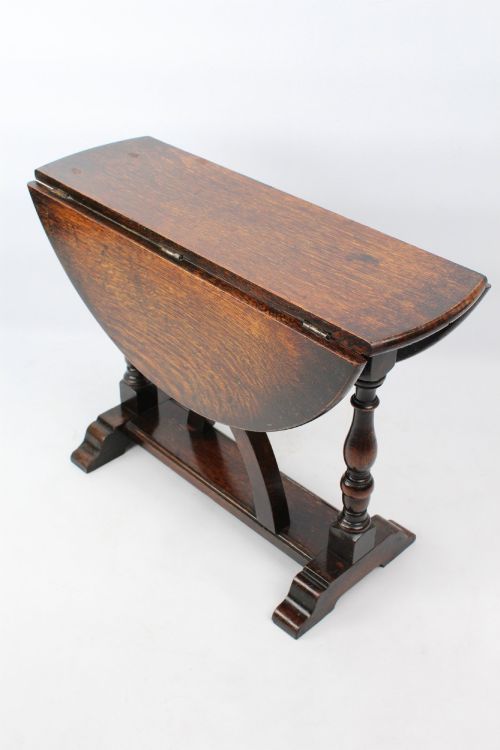
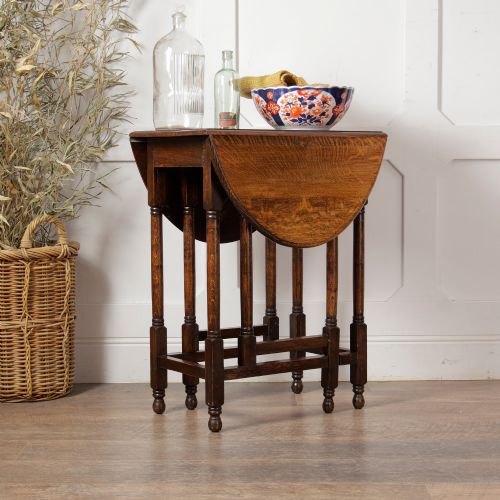
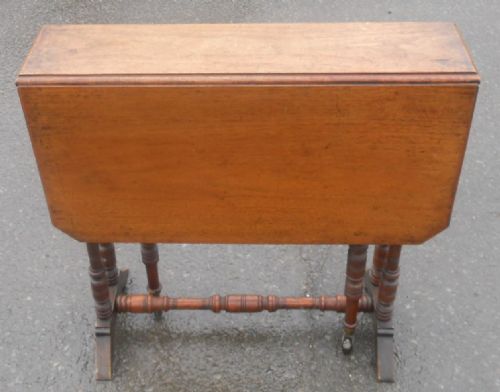
The most common versions met here include drop-leaf gateleg designs, nests of tables, and small swivel-top or Sutherland tables. These practical forms originate from periods spanning the late nineteenth century through to the art deco era, utilising clever folding mechanisms to save space.
Makers across the Victorian, Edwardian, and early twentieth-century periods built these pieces primarily as occasional tables, side tables, or monks benches that later found a home as low coffee tables. Their modest footprints make them particularly well-suited to contemporary homes requiring functional period pieces.
What varies in quality
Quality in these tables is found in the integrity of the timber selection and the precision of the joinery, particularly where folding leaves and gateleg pivots meet daily wear. Superior pieces maintain smooth operation in their dropleaf or swivel mechanisms without looseness in the joints.
The refinement of the surface finishes and the crispness of any inlaid wood or marquetry separate standard production items from finer workshop examples. Attention to detail in the turning of legs and the matching of wood grain dictates the overall standing of the piece.
Compact Coffee Table Retail Price Guide 2026
Typical asking prices for compact coffee table among the pieces listed under this phrase on Sellingantiques today, from the lower quarter to the upper quarter. They describe what is for sale here now, not the wider market.
Listings feature oak, mahogany, and walnut woods, spanning Victorian, Edwardian, and 1930s periods through to arts and crafts styles.
The Compact Coffee Table Glossary
- Gateleg table
- A table with hinged leaves supported by legs that swing out like a gate to hold the leaves up when in use. This clever design allows the surface area to expand or contract as needed.
- Nest of tables
- A set of graduated tables designed to fit neatly one under the other when not in use. They provide multiple surfaces while occupying the floor space of just one small table.
- Sutherland table
- A narrow dropleaf table with particularly slender folding leaves and tall gatelegs. It was designed in the Victorian period to fold down into a very flat profile.
- Marquetry
- Decorative patterns formed by inserting pieces of wood veneer into a fitted wood surface. This technique creates detailed pictures or geometric designs across tabletops.
- Monks bench
- A multifunctional piece featuring a hinged back that tilts to convert from a bench seat into a flat table top. It combines seating and surface utility in a compact footprint.
Compact Coffee Table: Frequently Asked Questions
What is a compact coffee table?
A compact coffee table is a small-scale occasional table, often featuring folding leaves or nesting designs, intended to provide surface space in restricted areas.
These pieces adapt traditional side table and gateleg forms from earlier centuries into low tables suited for modern seating arrangements.
How do gateleg tables work?
Gateleg tables use hinged flaps supported by pivoted legs that swing outwards to bear the weight of the extended leaves.
When folded down, the side flaps hang vertically, significantly reducing the overall width of the furniture.
What is a nest of tables?
A nest of tables consists of a set of smaller tables built in decreasing sizes so they slide completely underneath the main table.
This arrangement allows multiple surfaces to be stored compactly in a single footprint until needed.
How do I choose the right period style?
Selecting a period style depends on the existing character of your room, balancing the clean lines of oak arts and crafts pieces against richer mahogany Edwardian designs.
Considering the wood tone and leg style helps integrate the table smoothly with other furniture.