



Compact Book Display
Compact book display pieces offer neat shelving for smaller rooms, bringing practical storage and timber character to tight spaces.
Compact Book Display
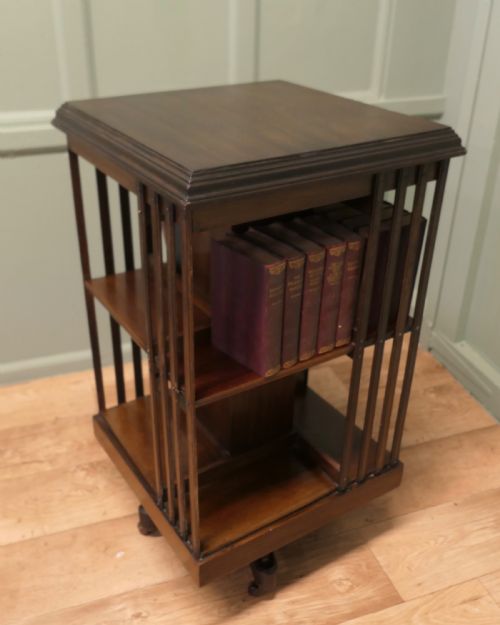
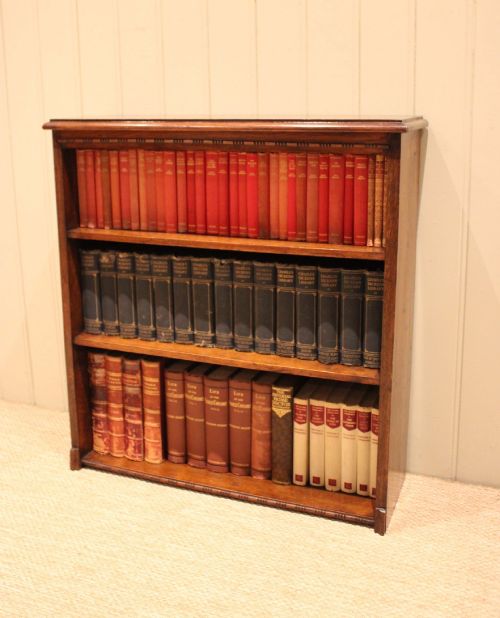
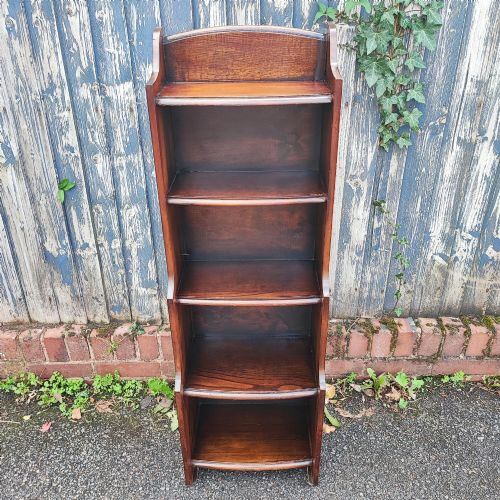
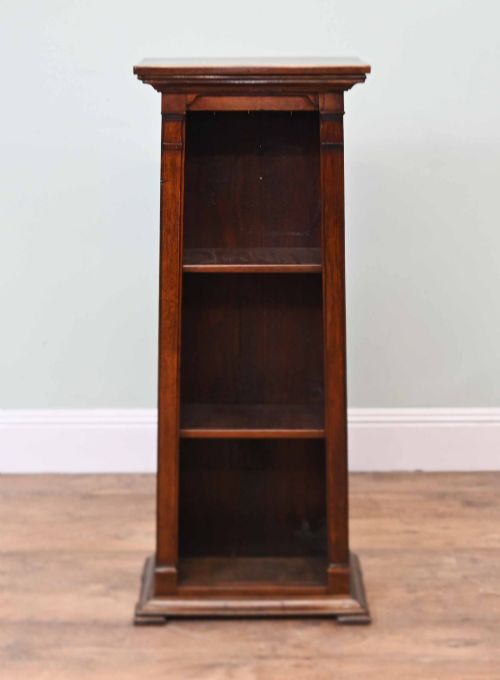
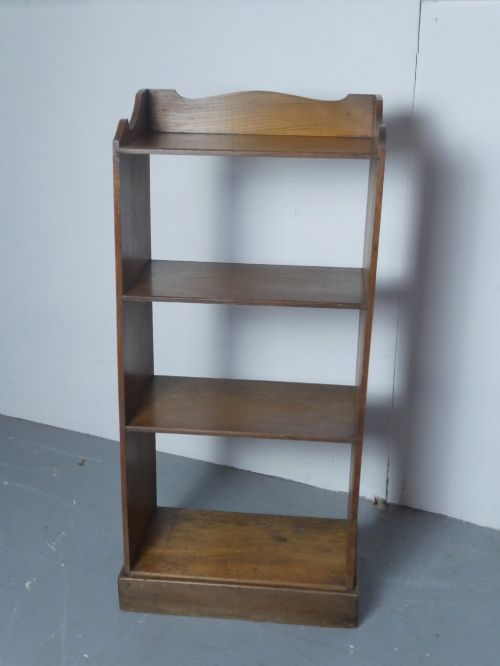
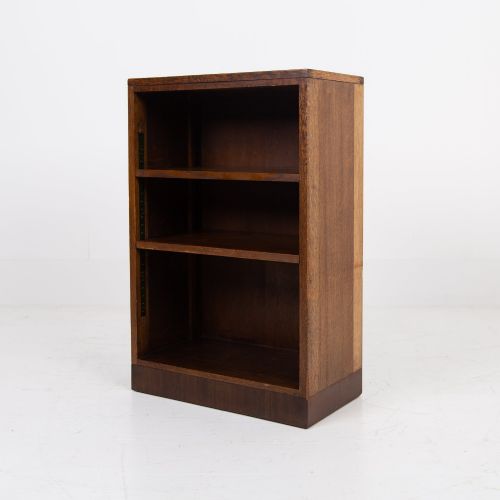
A compact book display serves those who need to house volumes within restricted floor space, combining utility with traditional cabinetmaking. The pieces collected under a compact book display typically take the form of small open bookcases and book tables originating from the early twentieth century.
Most examples encountered here date from the Edwardian era through to the nineteen-thirties, reflecting the domestic scaling of smaller town houses and apartments of those decades. These smaller proportions allow for placement in hallways, alcoves and beside seating areas without overwhelming the room.
The dominant forms are low open shelving units and occasional tables fitted with book troughs or compartments. Buyers seeking a compact book display will find sturdy construction designed for daily use rather than monumental library shelving.
Materials and construction
Oak dominates the construction of these pieces, alongside occasional pine and supplementary metal fixings. Cabinetmakers utilised solid timber boards for uprights and shelves, often joined with straightforward housing joints and visible fixings appropriate to domestic utility.
Surfaces frequently show the grain of oak, sometimes treated with a dark revival stain or left in a more rustic finish. Selected pieces incorporate leather top inserts, adding a contrasting texture to the working surface of book tables.
Stylistic details draw from Jacobean Revival, Arts and Crafts, and early twentieth-century traditional vernaculars. These influences appear in simple chamfered edges, exposed pegging, and unadorned uprights that prioritize function over elaborate ornament.
Compact Book Display Retail Price Guide 2026
Typical asking prices for compact book display among the pieces listed under this phrase on Sellingantiques today, from the lower quarter to the upper quarter. They describe what is for sale here now, not the wider market.
Styles represented include Arts and Crafts, Jacobean Revival, and rustic country vernacular.
Assessing quality in early shelving
Quality rests in the weight of the timber and the rigidity of the uprights. Better pieces use thicker oak boards that prevent sagging under the weight of books, while lesser examples rely on thinner pine or light timber.
Proportion and joinery dictate the distinction between ordinary utility items and finer vernacular pieces. Well-made versions display thoughtful scaling and tight joints that maintain stability without heavy structural bracing.
The Compact Book Display Glossary
- Open bookcase
- A piece of furniture consisting of horizontal shelves supported by vertical sides without doors. This form allows immediate access to volumes and suits smaller domestic interiors.
- Book table
- An occasional table incorporating built-in troughs or lower shelves for holding books close to a seat. This dual-purpose form became popular in the early twentieth century.
- Arts and Crafts
- A design movement emphasising honest construction and simple materials. Pieces in this tradition highlight the natural grain of oak and straightforward joinery.
Compact Book Display: Frequently Asked Questions
Where should I place a small oak bookcase?
These low units suit narrow hallways, bedroom alcoves or beside armchairs where standard tall shelving proves too dominant. Their shallow depth keeps walkways clear.
Positioning them away from direct heat sources protects the timber joints from drying and splitting over time.
What is a leather topped book table?
A book table combines a surface for reading or writing with integrated storage underneath for volumes. The leather insert provides a traditional writing surface.
Such pieces function well as compact lamp tables that keep daily reading material close at hand.
How do I identify Edwardian oak shelving?
Edwardian pieces often show lighter quarter-sawn oak grain, simple bracket feet, and understated Edwardian proportions. They reflect a shift away from heavier Victorian darkness towards lighter domestic spaces.
Construction details usually include machine-cut elements combined with hand-finished assembly.
Are these pieces suitable for heavy hardbacks?
Solid oak construction provides adequate strength for standard collections, though shorter shelf spans prevent board bowing. Distributing heavy volumes evenly maintains shelf integrity.
Checking the thickness of the shelf timber gives an immediate indication of load-bearing capacity.